How Everyday Clinicians Can Navigate Healthcare’s Biggest Shift with Confidence and Clarity
Value-based care is transforming American healthcare — at least in theory.
Behind the boardroom presentations and policy papers, there’s another side to the story unfolding in exam rooms, nurses’ stations, and small clinics across the country. For frontline providers, this shift isn’t just a change in payment models. It’s a daily reality that affects how they interact with patients, document care, and make clinical decisions.
But here’s the catch: while the goals of value-based care sound great — better outcomes, lower costs, more personalized treatment — the people doing the work are often left out of the conversation. If you’re a clinician, nurse, or care coordinator trying to meet value-based benchmarks while juggling a packed schedule, you’re not alone.
So what does value-based care really mean when you’re the one delivering it? And how can it actually make your job easier instead of harder?
The Reality of “Value” on the Front Lines
When we talk about value-based care (VBC), we often talk in broad strokes — better outcomes, lower costs, healthier populations. But for frontline providers, value-based care is something far more personal. It’s about the pressure to hit performance targets, the juggling act of patient engagement, and the daily grind of documenting every detail.
VBC might sound like a system upgrade from the old fee-for-service model. In theory, it is. But for providers on the ground, it often feels like trading one set of challenges for another — and doing it with less time and more accountability.
What Does the Shift Really Look Like for Providers?
At its core, value-based care rewards providers not just for what they do, but for how well their patients fare. That means better blood pressure control, fewer hospital readmissions, improved mental health scores — and yes, better patient satisfaction ratings too.
Sounds good, right? But here’s where it gets tricky.
To succeed in this model, providers must not only deliver excellent care in the clinic — they must also influence what happens after the patient leaves. That includes whether they take their meds, follow up on referrals, or make meaningful lifestyle changes.
That’s a tall order, especially when providers are already stretched thin.
Why Frontline Providers Feel the Squeeze
Most clinicians didn’t get into medicine to monitor patient compliance via spreadsheets or navigate six EHR systems a day. Yet under value-based models, that’s becoming the norm.
Here are some of the most common pressures providers feel under VBC:
- More administrative burden. From tracking quality metrics to documenting social determinants, VBC adds layers of reporting requirements.
- Responsibility for behavior change. Providers are expected to “move the needle” on outcomes that rely heavily on patient behavior.
- Tech overload. Many systems don’t talk to each other, forcing providers to toggle between portals just to piece together a patient’s story.
- Unfair accountability. When a patient doesn’t follow through, the provider still bears the performance penalty — even when the effort was there.
It’s no wonder burnout remains one of the biggest threats to successful implementation.
But It’s Not All Bad News
Despite the challenges, value-based care holds powerful promise. When it works well, it allows providers to build stronger patient relationships, make smarter decisions, and feel more connected to long-term health outcomes.
Many frontline clinicians report higher satisfaction when they have the tools to deliver proactive, not reactive, care. Rather than rushing through a 15-minute visit, they can track a patient’s progress between appointments. They can catch complications early, provide guidance when it matters, and make care feel personal again.
But to get there, they need support. And that’s where digital health platforms step in.
What Frontline Providers Really Need from Digital Tools
For value-based care to work, providers need tools that are:
- Simple to use
- Built for real-world workflows
- Able to deliver meaningful insights in real time
Let’s break down how a platform like Calcium helps make this happen.
1. Unified Patient Data at Your Fingertips
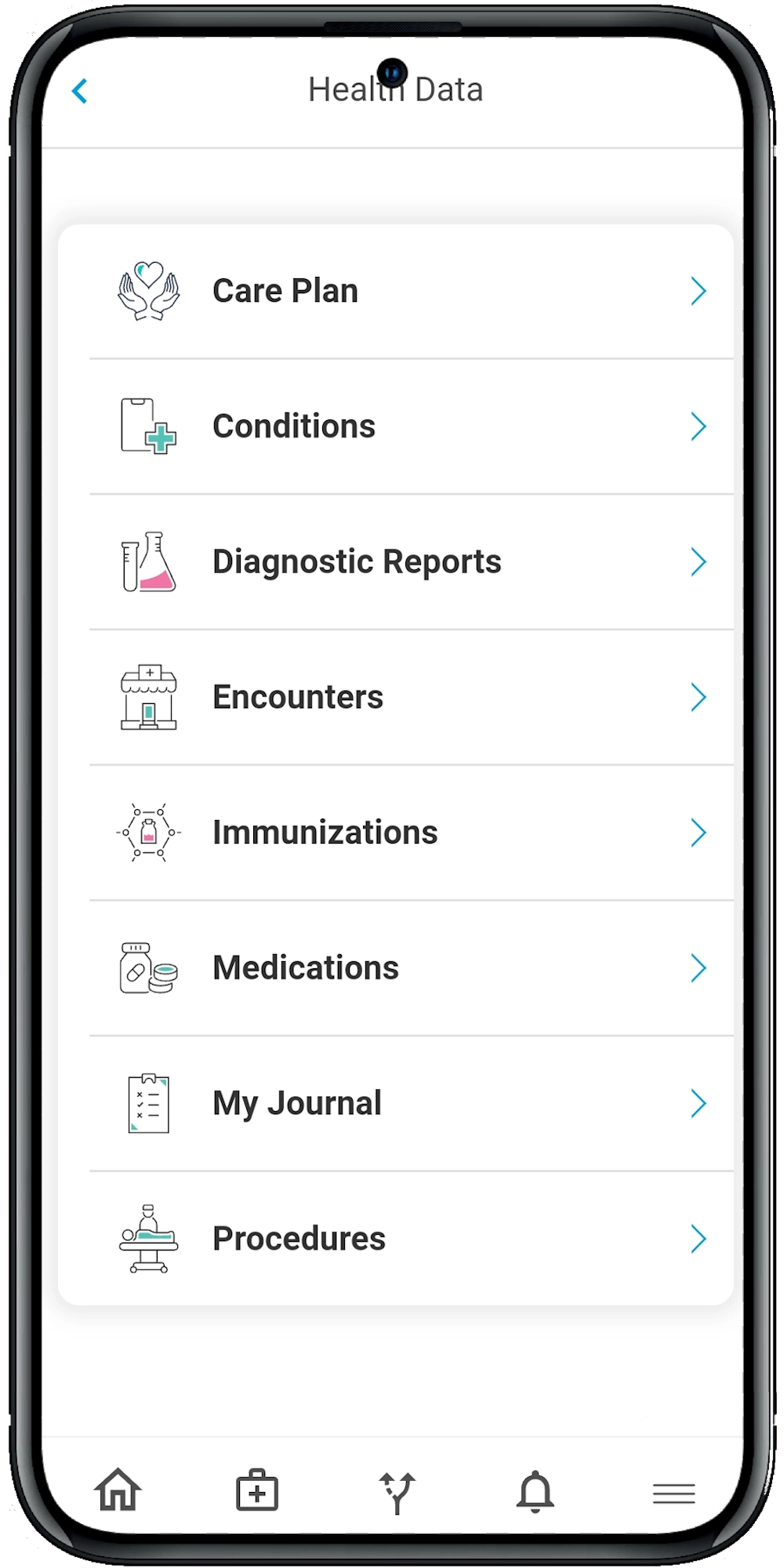
Imagine opening one dashboard and seeing everything you need — vitals, medications, lab results, care plans, and even notes from behavioral health providers. No toggling. No guesswork.
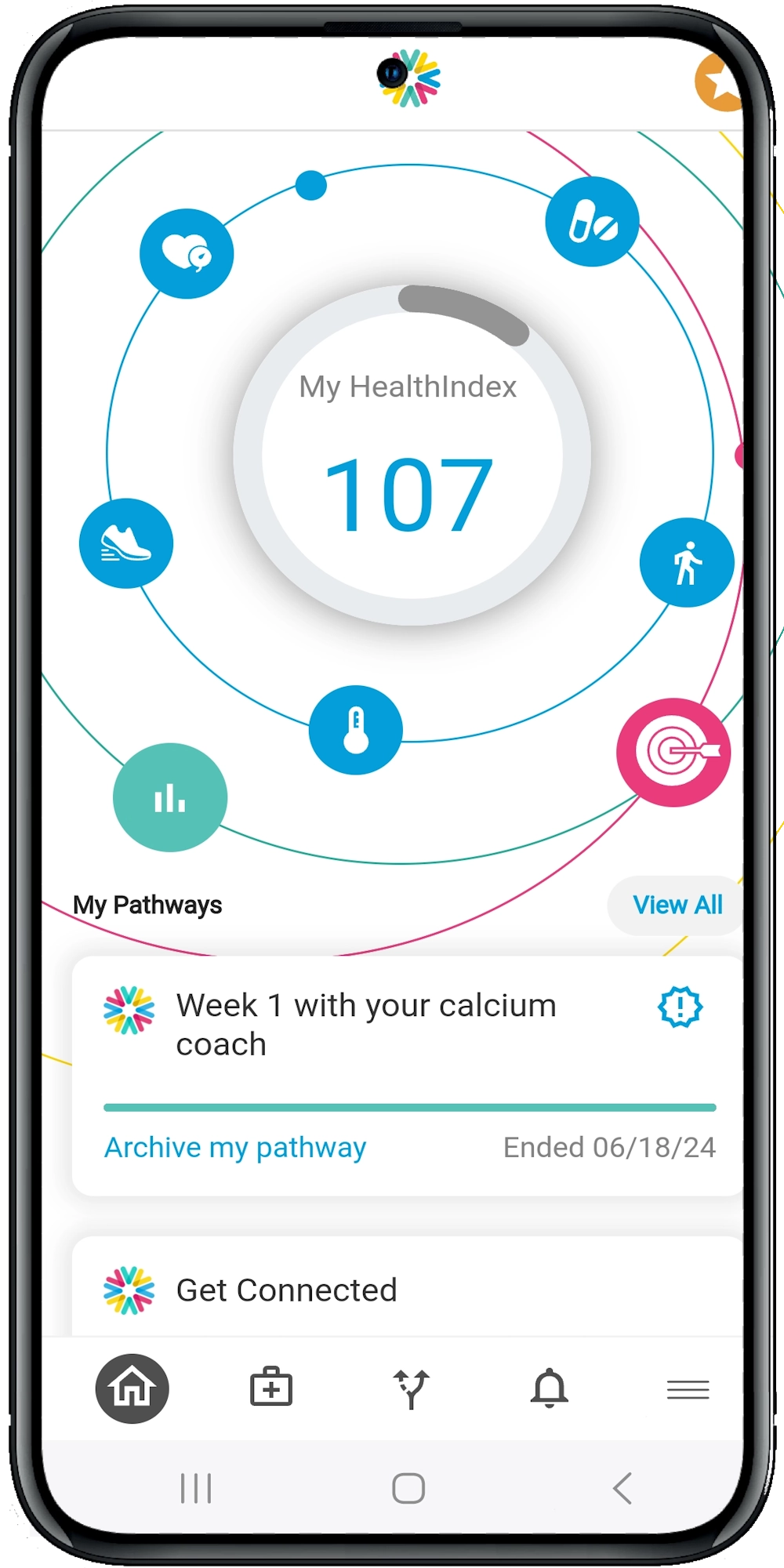
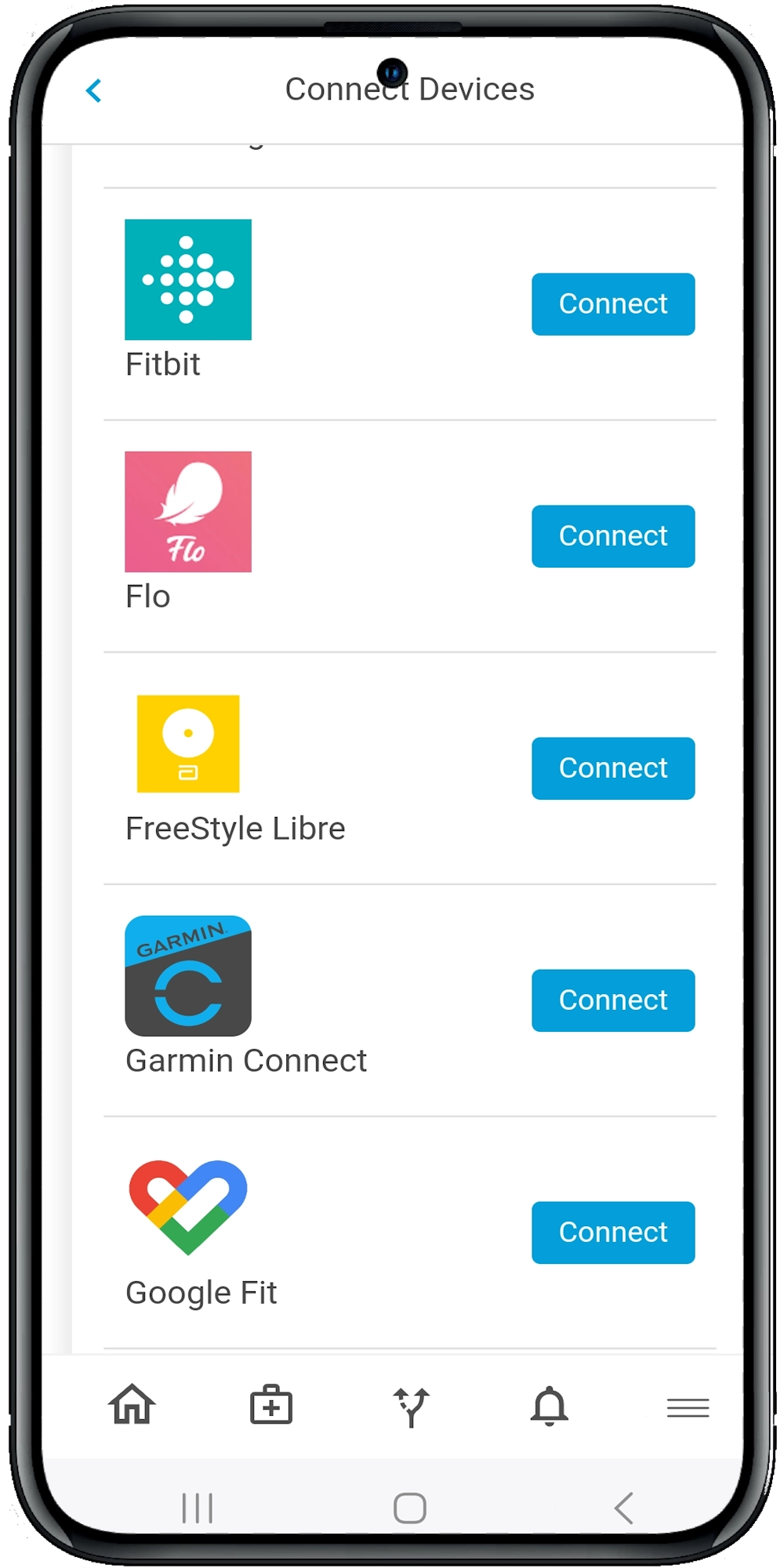
That’s what Calcium Core offers. It pulls together health data from EHRs, connected devices, wearables, and even patient-reported information, giving you a complete picture of your patient’s health.
Instead of spending precious minutes tracking down records, you can spend them actually caring for your patient.
2. AI-Guided Care Pathways That Work With You
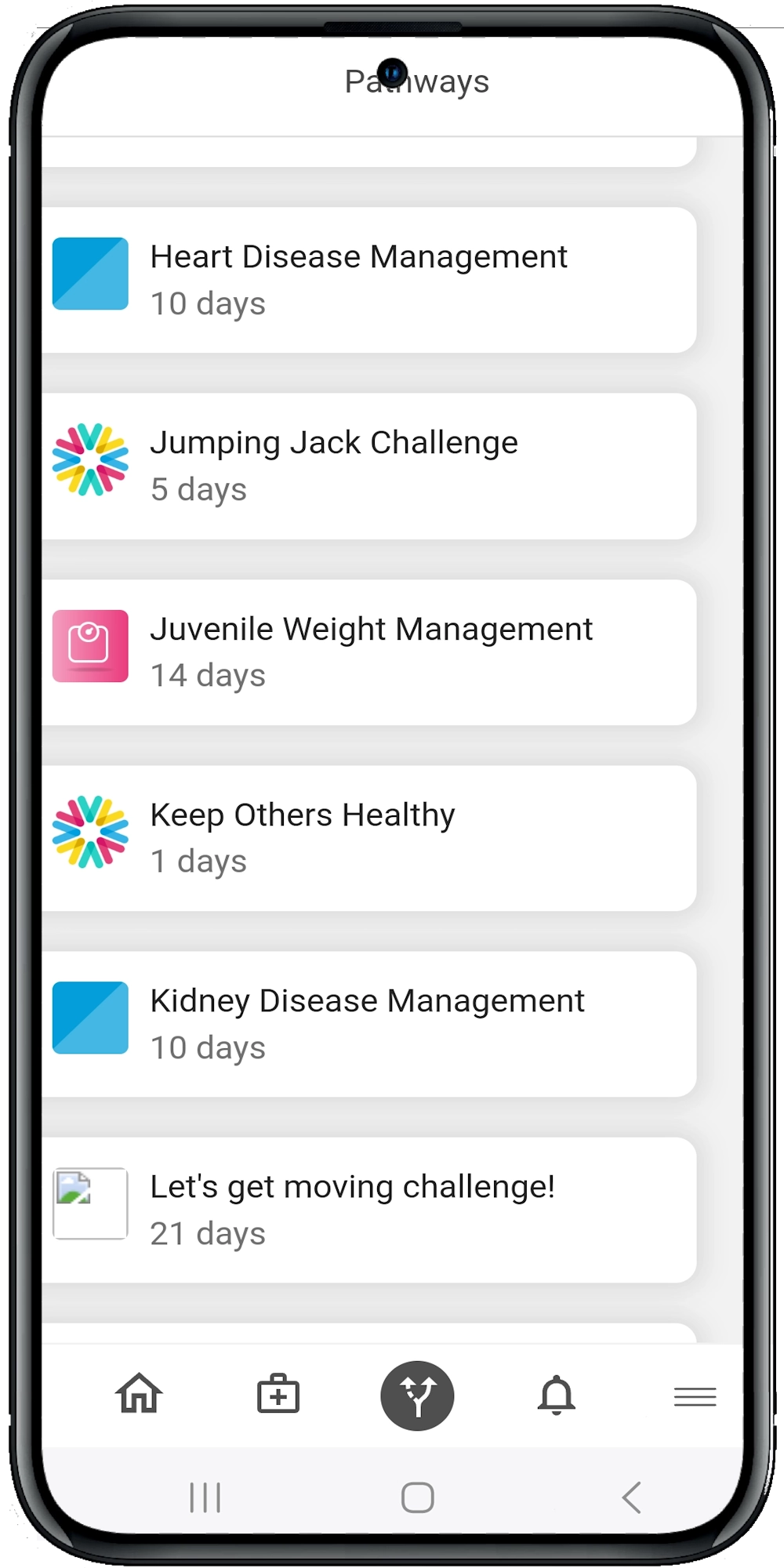
Managing chronic conditions or preparing a patient for surgery doesn’t need to feel like reinventing the wheel each time. Calcium’s AI-powered digital pathways allow providers to assign step-by-step care plans tailored to specific diagnoses, procedures, or health goals.
For example, a diabetic patient can receive daily reminders to log their blood sugar, educational tips, and motivational nudges — all from their mobile device. Providers can then track progress in real time.
It’s like having a digital care coordinator in every patient’s pocket.
3. Real-Time Alerts Without the Noise
One of the biggest complaints about remote monitoring and EHR systems? Too many alerts — most of them meaningless.
Calcium’s platform filters the noise. It flags the right data at the right time. So if a hypertensive patient’s BP readings suddenly spike, you know instantly. You don’t have to wait until the next office visit to act.
That kind of insight can help prevent ER visits and hospital readmissions — key benchmarks in any VBC model.
4. Empowering Small Practices to Play Big
A standout point from The Paradox of Size: How Small, Independent Practices Can Thrive in Value-Based Care is that smaller practices often outperform larger systems in VBC — when they have the right tech.
Calcium was designed with flexibility in mind. Whether you’re a solo family physician or part of a large specialty group, the platform adapts to your scale. You don’t need a massive IT department or a sprawling infrastructure to participate in — and succeed with — value-based care.
5. Supporting the Full Spectrum of Health
According to Kehyayan et al, true value isn’t just about physical metrics. It includes emotional well-being, patient satisfaction, and social context.
That’s why Calcium includes support for mental health pathways, symptom tracking, journaling, and even caregiver collaboration. Patients can log their mood, energy levels, sleep, or stress — and share it securely with their care team.
This whole-person approach makes it easier to spot red flags that don’t show up in a blood test but can derail a care plan just the same.
6. Making Collaboration Easier
The plain truth of the matter is that no one thrives in VBC without strong partnerships. That goes for colleagues, specialists, payers and even patients.
Calcium’s platform includes secure messaging, shared care plans, and team dashboards to make collaboration easy and HIPAA-compliant. Everyone from a nurse practitioner to a behavioral health coach can stay in the loop and support the patient as a united front.
So What Does Value-Based Care Really Mean for Frontline Providers?
It means more responsibility, but also more opportunity. It means shifting from reactive visits to proactive health guidance. And it means learning to lean on smart digital systems — not as replacements, but as extensions of your care.
When done right, value-based care doesn’t just change how we measure success. It changes how success feels for the providers who make it happen every day.
Frontline providers are the heartbeat of value-based care — but too often, they’re expected to drive better outcomes with outdated tools and unrealistic demands. The truth is, delivering high-quality, patient-centered care shouldn’t come at the cost of provider burnout or workflow chaos.
That’s where digital solutions like the Calcium digital health platform make all the difference. By combining real-time data, personalized care pathways, and intuitive communication tools, Calcium empowers providers to do what they do best: care for people. Whether you’re part of a large health system or an independent practice, the right technology can help you meet value-based care goals without losing sight of your mission.
Reference
- Scott, B. & Eminger, T. (20160 Bundled Payments: Value-Based Care Implications for Providers, Payers, and Patients. American Health & Drug Benefits, 9(9). https://pmc.ncbi.nlm.nih.gov/articles/PMC5394559/pdf/ahdb-09-493.pdf
- Brillstein, L., Brill, J. V., & Currie, B. (2019). Respectful Payer Provider Collaboration Can Achieve the Best in Value-Based Care. Clinical Gastroenterology and Hepatology, 17(11), 2145-2148.e1. https://doi.org/10.1016/j.cgh.2019.07.001
- Vahe Kehyayan, Yasin, Y. M., & Areej Al-Hamad. (2025). Toward a Clearer Understanding of Value‐Based Healthcare: A Concept Analysis. Journal of Nursing Management, 2025(1). https://doi.org/10.1155/jonm/8186530
- Mostashari, F. (2016). The Paradox of Size: How Small, Independent Practices Can Thrive in Value-Based Care. The Annals of Family Medicine, 14(1), 5–7. https://doi.org/10.1370/afm.1899