Empowering Healthcare Teams to Deliver Better Patient Outcomes and Drive Real Change
The way healthcare is delivered, measured and rewarded is shifting — fast. For many provider teams, the move toward value-based care (VBC) feels exciting, but also overwhelming. How do you succeed when the old rules no longer apply? How do you move from focusing on visits and volume to focusing on outcomes and experiences?
The truth is, thriving in a value-based world doesn’t mean working harder. It means working smarter, together.
Provider teams that learn to embrace this shift — using better strategies, technology, and teamwork — have an incredible opportunity to lead the future of healthcare. If you’ve ever wondered how your team can not just survive but truly thrive in this new model, you’re in the right place. Let’s dig into what makes the difference between struggling with change and building something stronger than ever.
How Provider Teams Can Thrive in a VBC World
Value-based care isn’t just a trend anymore — it’s quickly becoming the standard for how healthcare is measured, delivered, and reimbursed. But thriving in a value-based world takes more than good clinical skills. It takes teamwork, smart technology, and a shift in mindset across the entire care team.
In VBC, no one works in a vacuum.
Every team member, from the front office scheduler to the physician to the case manager, plays a critical role in achieving better outcomes for patients. Success isn’t just about one great diagnosis or a few excellent procedures. It’s about building consistent, coordinated support that helps patients stay healthier over time.
Think of it like a championship sports team — every player has a position, every position matters, and winning requires everyone executing together.
The Key Areas Where Provider Teams Drive VBC Success
Provider teams are the engine that powers a value-based system. Here are the key areas where their impact is most crucial:
- Patient Engagement. Keeping patients connected and involved in their own care between visits.
- Care Coordination. Ensuring seamless communication between different specialties and settings.
- Preventive Care Delivery. Prioritizing screenings, wellness visits, and early interventions.
- Chronic Disease Management. Helping patients manage conditions like diabetes, hypertension, COPD, and depression effectively at home.
- Behavioral Health Integration. Addressing mental health and substance use, which significantly influence physical outcomes.
When teams focus on these areas consistently, they build the foundation for better patient outcomes — and better reimbursement.
Challenges Teams Face in a Value-Based System
Transitioning to VBC isn’t always easy. Provider teams commonly run into these barriers:
- Limited Resources. Smaller practices may lack dedicated care coordinators or behavioral health specialists.
- Fragmented Communication. Data and updates get lost when EHRs don’t talk to each other.
- Patient Non-Compliance. Some patients struggle with self-management even with strong team support.
- Technology Overwhelm. New apps and platforms are powerful, but only if staff are properly trained.
- Risk Management Stress. Financial penalties for missing outcome goals can create added pressure on already busy teams.
Recognizing these hurdles early allows practices to build smarter workflows and better prepare for the demands of value-based contracts.
Winning Strategies for Provider Teams in VBC
So how do provider teams not just survive but truly thrive in this environment? It starts with a few key strategies.
Here’s what successful VBC teams consistently do:
- Put Patients at the Center. Focus on what matters to each patient — their goals, concerns, and personal health journey.
- Use Data Proactively. Monitor key metrics daily or weekly, not just at annual reviews. React early.
- Communicate Often and Clearly. Across providers, between visits, with patients and caregivers.
- Invest in Smart Technology. Choose platforms that streamline workflows, simplify reporting, and improve engagement, like CalciumHealth.
- Celebrate Small Wins. Recognize when patients make positive changes. Momentum builds motivation.
Every small action adds up. Healthier patients are built one decision, one conversation, and one engagement at a time.
The Power of Digital Tools in Supporting Provider Teams
In the research on successful VBC programs, one thing stands out again and again — digital health tools make a huge difference.
Platforms like CalciumHealth can support teams by:
- Automating Routine Check-ins. Daily prompts help patients stay on track without needing constant manual outreach.
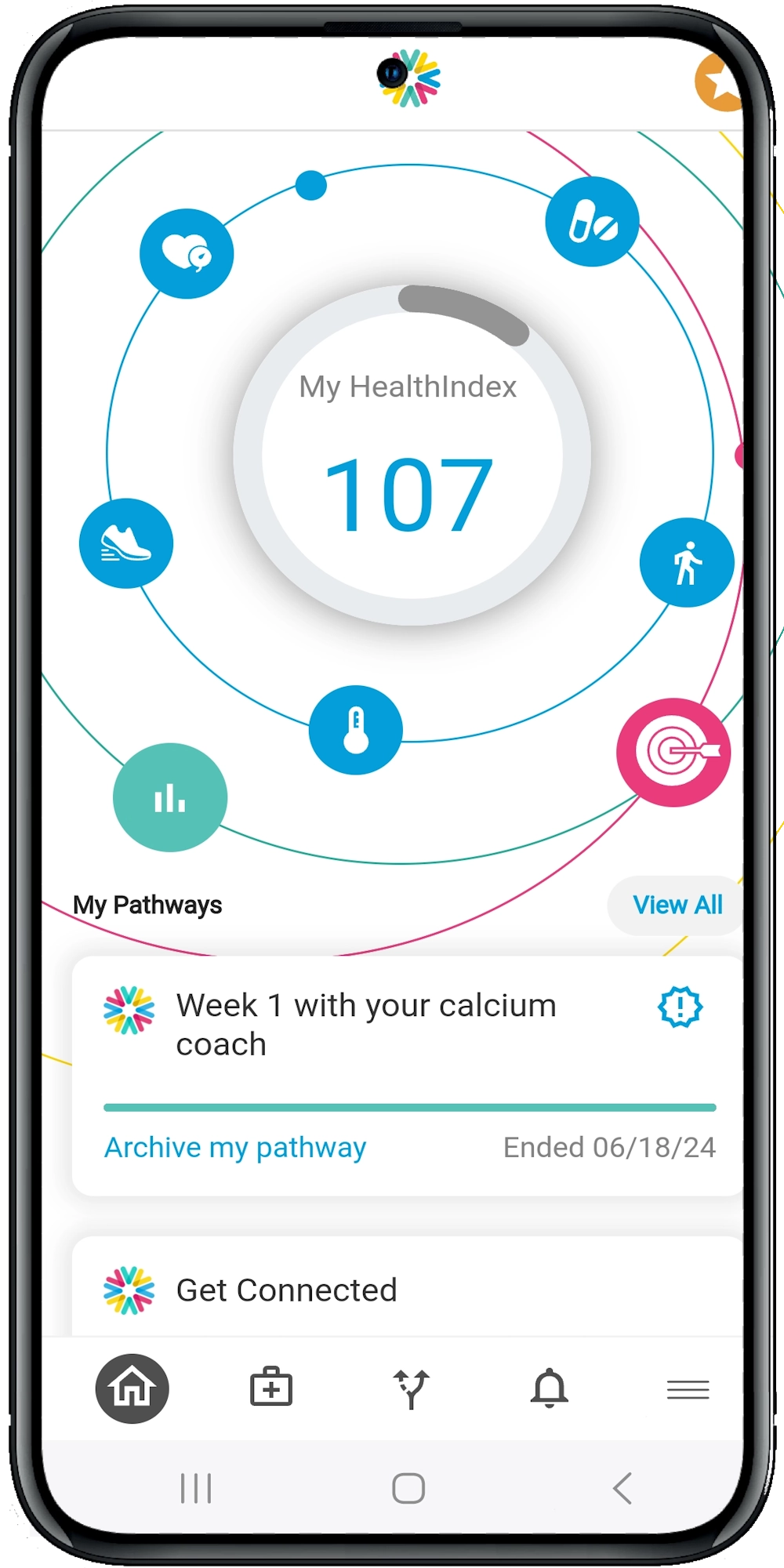
- Tracking Outcomes Effortlessly. Real-time dashboards keep everyone in the loop on vital signs, symptom trends, and adherence.
- Delivering Behavioral Nudges. Apps can deliver encouragement and education when patients need it most, not just during office hours.
- Simplifying Quality Reporting. Integrated tools make it easier to meet CMS, HEDIS, and private payer reporting requirements.
Instead of creating extra work, the right digital tools act like a force multiplier — extending the reach of small teams without adding burnout.
Avoiding Burnout in the Value-Based World
One big worry for provider teams? Burnout. And it’s real. VBC can sometimes feel like “one more thing” on an already packed plate.
Here’s how thriving teams protect their energy:
- Streamline where possible. Cut wasteful tasks. Focus energy on interventions that move outcomes.
- Share responsibility. Success isn’t on one provider’s shoulders. It’s a team effort.
- Use tech to automate smartly. Don’t replace relationships with apps — enhance them.
- Focus on mission. Keeping patients healthier is deeply meaningful work. Reminding teams of the “why” fuels motivation.
When teams align around mission and use smart systems, VBC becomes a sustainable, even energizing, way to deliver care.
The Wrap
At the end of the day, value-based care isn’t just about changing payment structures. It’s about shifting how we think about healthcare itself — from reactive sick care to proactive health building.
For provider teams, this isn’t a burden. It’s an opportunity. It’s a chance to deliver more meaningful care, build stronger patient relationships, and create better outcomes that matter — for your patients, your practice, and yourself.
Provider teams that embrace smarter workflows, better patient engagement, and data-driven strategies will be the ones who lead this transformation. Thriving in value-based care doesn’t mean adding more to your plate. It means focusing on what matters most: helping patients stay healthier, longer.
The right digital tools make that goal possible without overwhelming your team. At CalciumHealth, we believe in empowering providers with technology that simplifies, personalizes, and strengthens every patient interaction.
Reference
- Warren, M. (2017). Defining Health in the Era of Value-Based Care: The Six Cs of Health and Healthcare. Cureus. https://doi.org/10.7759/cureus.1046
- Lievens, Y., Grau, C., & Aggarwal, A. (2019). Value-based health care – what does it mean for radiotherapy? Acta Oncologica, 58(10), 1328–1332. https://doi.org/10.1080/0284186x.2019.1639822
- Steinmann, G., van de Bovenkamp, H., de Bont, A., & Delnoij, D. (2020). Redefining value: a discourse analysis on value-based health care. BMC Health Services Research, 20(1). https://doi.org/10.1186/s12913-020-05614-7
- Berk, S. I. (2020). Time to Care: Primary Care Visit Duration and Value-Based Healthcare. The American Journal of Medicine, 133(6), 655–656. https://doi.org/10.1016/j.amjmed.2019.12.046