Transforming Surgical Workflows through Smarter, Data-Driven Decisions
Ambulatory Surgery Centers (ASCs) have long been praised for their efficiency, flexibility, and patient-centered approach. But as the pressure mounts from value-based reimbursement models, even the most well-run centers are being asked to do more with less—faster turnover, fewer errors, and tighter margins.
So, what happens when the usual workflows fall short?
That’s where operational analytics enters the conversation. Today’s ASCs can no longer afford to operate in the dark. The real challenge isn’t just performing more procedures—it’s knowing precisely where time, money, and resources are being wasted. Hidden delays and workflow inefficiencies often go unnoticed until they start affecting revenue, compliance, or patient satisfaction.
This post dives into the evolving role of operational analytics and how smart platforms can illuminate those blind spots. If you want your ASC to thrive, not just survive, now is the time to rethink what your data can do.
What Is Operational Analytics in the ASC World?
Operational analytics is more than a buzzword—it’s your ASC’s backstage pass to knowing what’s working, what’s broken, and where opportunities are hiding in plain sight. In surgery centers, operational analytics refers to the use of data to track, measure, and improve workflow efficiency, scheduling, resource allocation, and overall performance.
Think of it like the control tower of an airport. Without real-time data on weather, aircraft location, and runway availability, flights get delayed or grounded. ASCs are no different. From patient intake to post-op discharge, every touchpoint produces valuable data. But unless you analyse and act on that data, you’re just collecting digital dust.
Where Are ASCs Getting Stuck? Top Operational Bottlenecks
Despite their streamlined nature, ASCs face several hidden operational challenges. These inefficiencies often go unnoticed until they start affecting margins, patient satisfaction, or compliance. Let’s dig into some of the most common bottlenecks.
1. Inefficient Patient Throughput
When patients move slowly through your center—from registration to recovery—you lose both time and revenue. A study by Hultman et al. showed that reducing patient cycle times in a surgical clinic from 127 minutes to 44 minutes resulted in significant gains in productivity and financial performance. The key takeaway? Faster isn’t just better for patients—it’s a game-changer for operations.
2. Referral and Scheduling Delays
If your ASC relies on referrals, delays between primary care and specialist appointments can clog the pipeline. A study published in IEEE found that poor information flow and fragmented systems cause bottlenecks in referral pathways. These aren’t just paperwork issues—they’re system-level inefficiencies that delay care and erode trust.
3. Capacity Planning That Ignores Real Demand
Too many ASCs base staffing and room availability on fixed schedules, not actual demand. This is like planning a restaurant staff based on last month’s weather. Youn et al. introduced a model for adaptive capacity planning that accounts for case complexity, patient mix, and real-world variability. Bottom line. smart scheduling must adapt to fluctuating needs, not just historical averages.
4. Communication Silos and Data Fragmentation
Ever feel like your departments are operating on different islands? Without a unified platform, it’s nearly impossible to synchronise referrals, pre-op requirements, or insurance verifications. As a result, staff waste time chasing down missing information, and that means delays for everyone.
5. Turnover Delays and Inconsistent Start Times
Operating room turnover is one of the biggest time sinks in outpatient surgery. In a time-stamp study of 7,500+ surgeries, researchers found that late starts and registration wait times were major contributors to downstream delays. These might seem like minor hiccups, but when repeated daily, they snowball into thousands of lost revenue hours annually.
6. Blind Spots in Cost Accounting
Most ASCs still track costs using averages or department-level estimates. But not all procedures are created equal. Some high-volume cases have surprisingly slim profit margins due to supply choices or inefficient workflow. Using tools like time-driven activity-based costing (TDABC), researchers have shown how ASCs can pinpoint cost drivers and improve margins by optimising resource use, not just cutting corners.
How Operational Analytics Helps ASCs Solve These Problems
So, how do you turn messy data into actionable insight? This is where operational analytics steps in—not just as a tool but as a strategic asset.
Real-Time Dashboards Keep You Ahead of the Curve
Instead of waiting for end-of-month reports, real-time dashboards help you spot trends as they happen. You can monitor.
- OR utilisation and idle time
- Turnover delays by staff or room
- On-time vs. delayed starts
- Patient cycle times across the care pathway
These dashboards serve as early-warning systems, flagging inefficiencies before they spiral.
Bottleneck Analysis Helps You Focus Where It Matters
Not every delay is equally damaging. Tools like queueing theory and semi-Markov modelling, as used in the IEEE study, can identify the exact steps in the patient journey where rework or congestion occurs most often. Fixing those pressure points leads to the biggest performance gains with the least disruption.
Predictive Scheduling Adapts to Real-World Complexity
Think of predictive analytics as your operational crystal ball. By forecasting patient volumes, procedure types, and surgeon schedules, you can optimize everything from staff shifts to room assignments.
This isn’t just theoretical. A study on adaptive capacity planning found that when ASCs planned across three interconnected stages—pre-op, surgery, and PACU—they cut costs and reduced bottlenecks without adding headcount.
Activity-Based Costing Reveals Hidden Expense Drains
Time-driven activity-based costing (TDABC) lets you trace every dollar to a specific procedure, team, or resource. For example, you might discover that your most common hernia repair is less profitable than expected due to the type of mesh used or extended prep times in a specific room.
A study comparing ambulatory versus hospital-based procedures found that moving the same cases to ambulatory sites resulted in both shorter OR times and lower costs, except when surgeon preference overruled process optimisation.
Why Operational Analytics Matters for Value-Based Care
If your ASC participates in bundled payments or risk-based contracts, operational efficiency directly impacts your bottom line. Every extra minute in the OR or delay in patient flow chips away at your margin.
Analytics help you.
- Minimise unnecessary delays and rework
- Optimise resource allocation and staffing
- Improve throughput without sacrificing safety
- Deliver consistent, high-quality outcomes—key to value-based metrics
In a fee-for-service world, inefficiency meant missed opportunity. In value-based care, inefficiency means lost revenue and higher risk. Operational analytics is your best defence against both.
The Role of the Calcium Digital Health Platform
Efficiency in healthcare isn’t about working faster—it’s about working smarter. And in today’s high-stakes environment, ASCs need more than gut instinct or spreadsheets to make decisions that drive outcomes.
Operational analytics empowers you to pinpoint problems, streamline workflows, and maximise every hour, staff member, and operating room. Whether you’re aiming to reduce delays, boost margins, or simply provide better patient care, the right tools make all the difference.
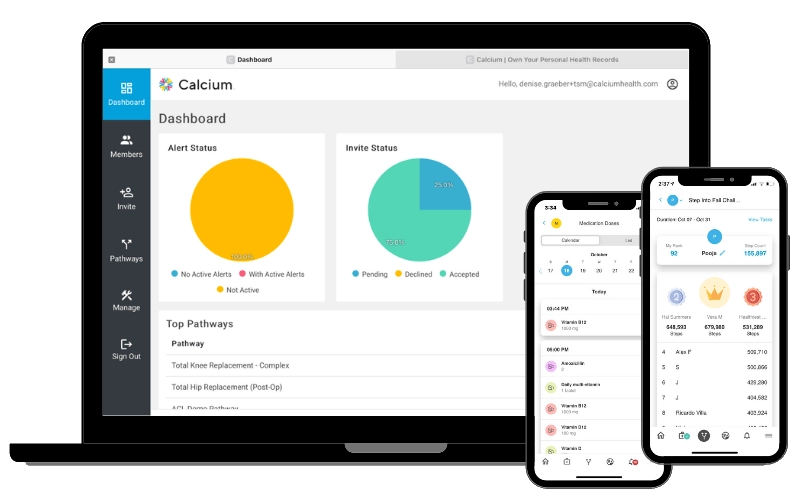
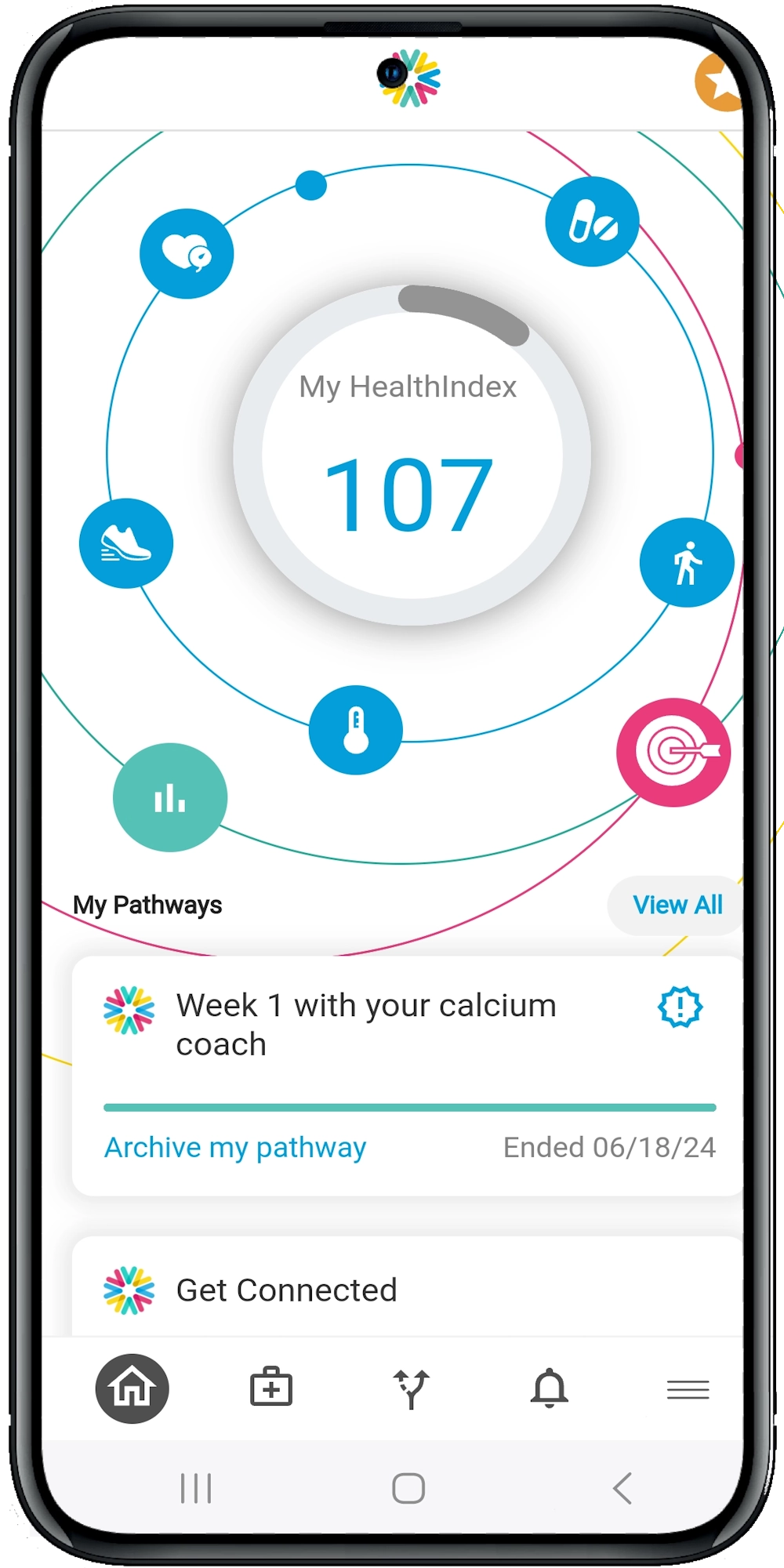
This is where platforms like Calcium shine. It’s not just a data aggregator—it’s a purpose-built engine for ASC transformation. Our digital health platform gives ASCs the clarity and control they need to succeed, not just with data, but with actionable intelligence. From real-time dashboards to cost-per-case analysis, Calcium is built to help you identify bottlenecks, enhance performance, and thrive under value-based care.
Here’s how Calcium helps tackle the challenges we’ve discussed.
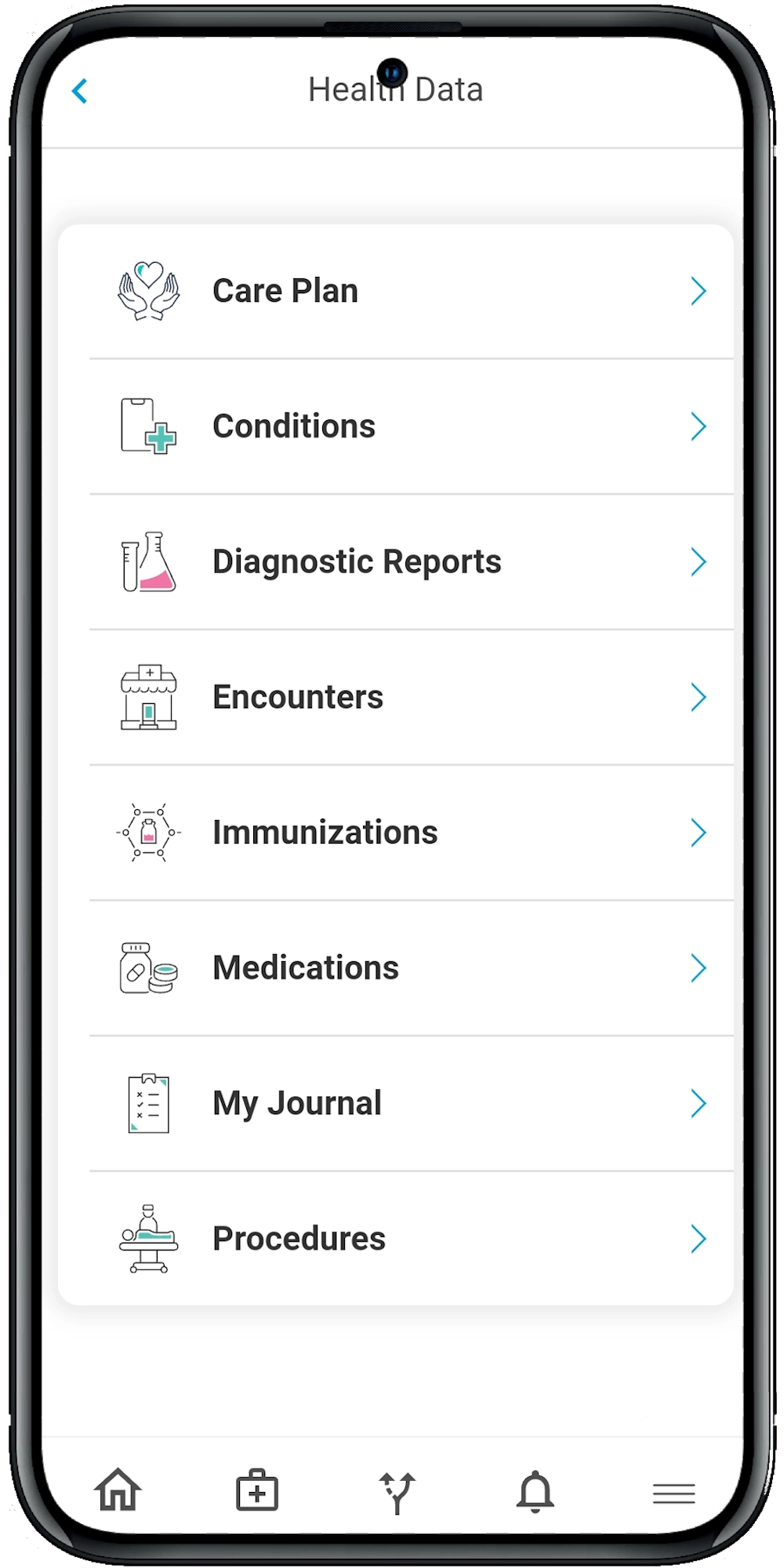
- Unified Data Views. Calcium pulls in data from EHRs, billing systems, and scheduling platforms to give you a single source of truth
- Bottleneck Alerts. Advanced analytics flag where patients are getting stuck, whether it’s at intake, pre-op, or discharge
- Referral Tracking. Track the full referral journey with visibility into delays, rework, or insurance verification gaps
- Capacity Optimisation. Calcium uses historical data and predictive modelling to help you staff and schedule based on real-time demand, not guesswork
- Procedure-Level Cost Analytics. Gain insight into cost-per-case and margin per surgeon or speciality using built-in TDABC logic
In short, Calcium doesn’t just give you data—it gives you control.
Reference
- Hultman, C. S., Gilland, W. G., & Weir, S. (2015). Patient access in plastic surgery. an operational and financial analysis of service-based interventions to improve ambulatory throughput in an academic surgery practice. Annals of Plastic Surgery, 74 Suppl 4, S231-240. https.//doi.org/10.1097/SAP.0000000000000451
- Zhong, X., Prakash, A., Petty, L., & James, R. A. (2019). Bottleneck Analysis to Reduce Primary Care to Specialty Care Referral Delay. IEEE Transactions on Automation Science and Engineering, 16(1), 61–73. https.//doi.org/10.1109/tase.2018.2847293
- Tayne, S., Merrill, C. A., Saxena, R. C., King, C., Devarajan, K., Ianchulev, S., & Chilingerian, J. (2018). Maximizing Operational Efficiency Using an In-House Ambulatory Surgery Model at an Academic Medical Center. Journal of Healthcare Management, 63(2), 118–129. https.//doi.org/10.1097/jhm-d-16-00008
- Savarise, M., & Kragen, B. (2023). Use of Operations Management Tools to Improve Efficiency for Ambulatory Surgery Procedures. Springer EBooks, 317–330. https.//doi.org/10.1007/978-3-031-26510-5_17
- Youn, S., Geismar, H. N., Sriskandarajah, C., & Tiwari, V. (2022). Adaptive Capacity Planning for Ambulatory Surgery Centers. Manufacturing & Service Operations Management. https.//doi.org/10.1287/msom.2022.1109