Discover Smart Solutions to Streamline Workflows, Boost Patient Safety, and Elevate Surgical Performance
Imagine trying to run a high-performance engine with outdated parts—it sputters, stalls, and never reaches its full potential. That’s the reality many ambulatory surgery centers (ASCs) face when they rely on legacy systems and fragmented tools to manage today’s complex demands.
ASCs are expected to deliver speed, safety, and top-tier patient outcomes—often with fewer resources and tighter margins than hospitals. Yet without the right digital infrastructure, even the most skilled teams can find themselves bogged down in inefficiency. The challenge isn’t just about adopting new technology—it’s about choosing tools that work for surgery centers: tools that simplify, integrate, and empower.
As the shift toward value-based care accelerates, the ability to harness these tools is no longer optional—it’s mission-critical. So, what does digital transformation look like for ASCs? And which technologies are worth your investment? Let’s explore the solutions that are redefining efficiency and outcomes in surgical care.
Why Digital Tools Fall Short in ASCs
If ASCs are the engine of outpatient surgery, then digital tools should be the fuel. But in too many cases, that fuel is either missing or mismatched. Despite the promise of digital health, nearly half of ASCs surveyed in a key study reported zero use of electronic health records (EHRs), and over a third lacked any core digital functionality at all. So what’s standing in the way?
ASCs operate differently from hospitals. Their margins are tighter, their workflows faster, and their teams leaner. Off-the-shelf hospital software often doesn’t translate well. And here are the seven biggest pain points many surgery centers face when it comes to digital tools:
- Lack of integration between systems – Scheduling, billing, inventory, and records often operate in silos.
- High upfront and maintenance costs – Particularly painful for smaller, independent ASCs.
- Low staff adoption – Complex platforms with steep learning curves simply don’t gain traction.
- Data security and compliance concerns – With HIPAA requirements and the rising threat of cyberattacks, peace of mind is hard to come by.
- Limited support for outcome tracking – Many tools lack built-in analytics that show what’s working and what isn’t.
- Inefficient patient hand-offs – Fax machines are still shockingly common for transferring critical info.
- Minimal patient engagement – Patients expect reminders, portals, and follow-ups; many ASCs can’t deliver that digitally.
The problem isn’t a lack of technology—it’s a lack of the right technology for the ASC environment.
What Makes a Digital Tool Truly ASC-Friendly?
Not all digital health solutions are created equal. A tool that works well in a large hospital may completely miss the mark in a streamlined ASC. So what should ASCs be looking for?
- Simplicity and speed – Tools should be intuitive, with minimal clicks and real-time functionality.
- Workflow alignment – ASC tools must reflect the rapid-fire nature of outpatient procedures.
- Customisation – Every center is different. Platforms need to adapt without overcomplicating things.
- Interoperability – Seamless connections between systems and providers are non-negotiable.
- Outcome-driven design – Platforms should help teams track and improve what truly matters: safety, efficiency, and patient satisfaction.
Dr. Douglas Merrill’s work on “Management by Outcomes” highlights the power of algorithm-driven care paired with routine measurement of clinical and operational data. When teams track what’s working and openly share results, outcomes improve—and so does staff buy-in.
The Most Impactful Digital Tools for ASCs Today
Now that we’ve covered the challenges and ideal criteria, let’s explore the digital tools that are truly moving the needle in modern surgery centers. Each category below is reshaping the ASC landscape—and the best tools don’t just check boxes, they transform workflows.
1. Integrated ASC Management Platforms
The most powerful digital tools are often the ones that bring everything under one roof. Integrated ASC platforms unify scheduling, documentation, billing, inventory, and case coordination into a single, user-friendly system.
Why does this matter? Because when your scheduling tool talks to your patient communication app and feeds into your billing system, you cut down on duplicate data entry and wasted time. The result is smoother turnover, fewer cancellations, and a bird’s-eye view of the entire operation.
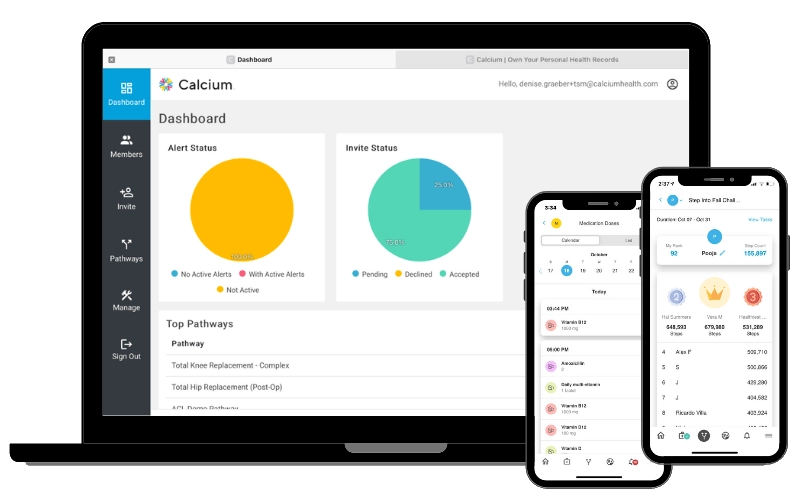
Platforms like CalciumHealth are built with this level of ASC-specific integration in mind, offering robust but easy-to-use dashboards that support fast decision-making and real-time case tracking.
2. EHRs Designed Specifically for ASCs
One of the major barriers to digital transformation in ASCs is the mismatch of hospital-grade EHRs. They’re often bloated with features surgery centers don’t need, or require heavy customisation to even function in an ASC workflow.
What ASCs need are nimble, cloud-based EHRs that:
- Capture surgical documentation quickly and accurately
- Sync with anaesthesia records and pre-op checklists
- Streamline compliance with CMS quality measures
- Support quick check-ins, same-day discharges, and post-op follow-ups
As highlighted in the Wiggins study, the adoption of tailored EHRs remains low but is critical for safe and effective handoffs between physicians and facilities.
3. Patient Engagement & Communication Tools
What happens outside the operating room is just as important as what happens inside. Missed pre-op instructions or late cancellations can wreck an otherwise smooth day.
That’s where patient engagement tools shine. From automated appointment reminders and pre-op instructions to secure messaging and satisfaction surveys, these platforms improve adherence and reduce day-of-surgery chaos.
When used effectively, they can:
- Decrease no-show rates
- Improve patient preparedness
- Streamline post-op follow-up and recovery tracking
This isn’t just about convenience. Studies have shown that engaged patients have better outcomes, shorter recovery times, and higher satisfaction scores.
4. Quality Analytics and Reporting Dashboards
You can’t improve what you don’t measure. Yet many ASCs still rely on anecdotal feedback or outdated metrics when evaluating performance.
Modern analytics tools offer real-time dashboards that track key indicators such as:
- Case turnover times
- Surgical site infection rates
- Patient-reported outcomes
- Compliance with CMS reporting measures
As noted in the Mayo Clinic’s review on ASC quality improvement, these metrics are the backbone of any high-performing facility. When shared openly with staff, they drive a culture of transparency and accountability.
5. Artificial Intelligence and Automation Tools
AI isn’t just for academic hospitals anymore. Forward-thinking ASCs are leveraging automation for everything from supply chain tracking to post-op risk scoring.
Examples include:
- AI-powered scheduling tools that optimise case flow based on surgeon availability and procedure length
- Predictive analytics to identify patients at high risk for complications or readmission
- Automated chart audits to flag compliance issues in real time
According to a 2024 review in the Journal of Robotic Surgery, technologies that reduce surgeon fatigue, improve precision, and enable real-time data feedback are already making surgery safer and more efficient.
6. Secure Cloud Infrastructure
Last but not least: security. Every digital system in an ASC must be built on a rock-solid, HIPAA-compliant infrastructure.
This includes:
- Role-based access controls
- End-to-end encryption
- Automated audit logs
- Frequent vulnerability testing
The shift to the cloud not only reduces hardware costs, it also improves system uptime and supports remote collaboration with referring providers or post-op teams.
Empowering Teams Through Digital Transformation
Ultimately, the best digital tools don’t just streamline operations—they empower people. From surgeons to schedulers, from nurses to patients, the right technologies elevate every touchpoint in the surgical journey.
Digital transformation in surgery centers isn’t about chasing the latest tech trend—it’s about solving real problems, improving patient care, and creating space for clinical teams to focus on what matters most. The right digital tools don’t just make processes faster—they make them smarter, safer, and more sustainable.
From integrated platforms and ASC-specific EHRs to outcome tracking and patient engagement tools, technology is redefining what efficiency looks like in surgical care. But not all platforms are built with the unique needs of ASCs in mind.
And while no tool can replace the skill of a great clinician or the care of a thoughtful nurse, digital platforms can remove the noise, eliminate the redundancies, and give teams more time to focus on what they do best: caring for patients.
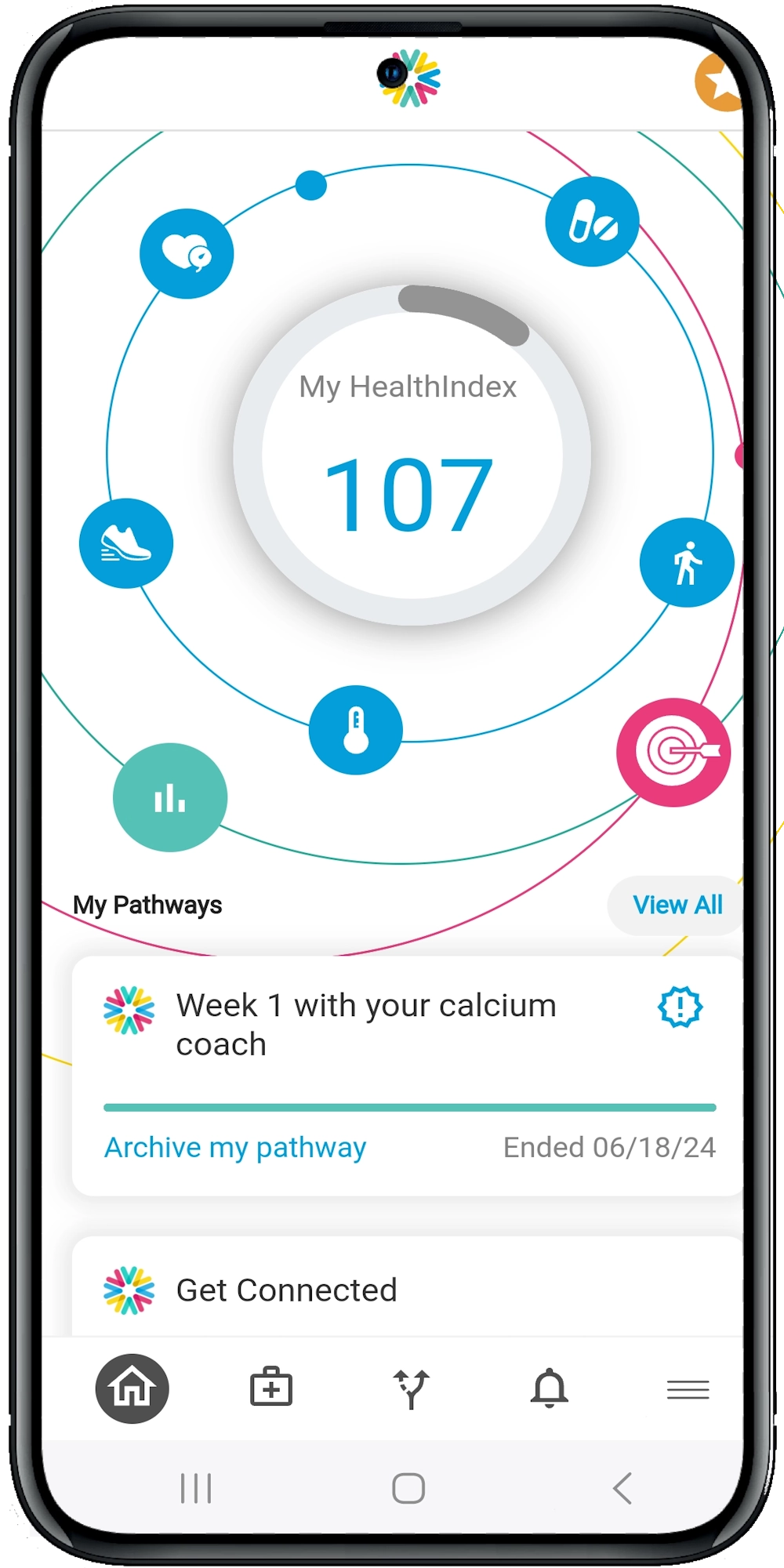
That’s where CalciumHealth stands out. Designed to streamline workflows, support clinical excellence, and drive measurable improvements, the Calcium digital health platform brings everything together in one intuitive system.
References
- Merrill, D. T., & Laur, J. J. (2010). Management by Outcomes: Efficiency and Operational Success in the Ambulatory Surgery Center. 28(2), 329–351. https://doi.org/10.1016/j.anclin.2010.02.012
- Dagkinis, I. K., Stergiani Spyrou, Georgantis, G. K., Psomas, P. M., Platis, A. N., & Georgios Tsoulfas. (2024). Impact of innovative technologies on quality and safety in surgery. Journal of Robotic Surgery, 19(1). https://doi.org/10.1007/s11701-024-02192-2
- Wiggins, C., Peterson, T., & Moss, C. (2015). Ambulatory surgery centers׳’ use of Health Information Technology. Health Policy and Technology, 4(2), 100–106. https://doi.org/10.1016/j.hlpt.2015.02.006
- Allen, J., & Petersen, B. (n.d.). Clinical Gastroenterology and Hepatology 2014;12:911-918 PRACTICE MANAGEMENT: THE ROAD AHEAD. https://doi.org/10.1016/j.cgh.2014.04.002