Reimagining Outpatient Surgery with Smarter Tools, Seamless Workflows, and Real-Time Insights
In today’s healthcare landscape, ambulatory surgery centers (ASCs) aren’t just competing with hospitals—they’re reshaping how surgical care is delivered. With rising patient volumes, tighter reimbursement models, and increasing demand for same-day procedures, ASCs are under pressure to do more with less.
But here’s the catch: efficiency alone isn’t enough anymore.
Patients now expect the same digital convenience from their surgical experiences that they get from shopping or banking apps. At the same time, payers and regulators want ironclad documentation, seamless coordination, and measurable outcomes. So, how can ASCs meet these rising expectations without burning out their staff or drowning in paperwork?
The answer lies in embracing a new generation of health technology. Not just gadgets or software, but smart, integrated tools designed specifically for the fast-paced, high-stakes world of outpatient surgery. What innovations are leading this transformation—and which ones are must-haves for tomorrow’s ASC? Let’s take a closer look.
From Efficiency to Expectation: Why Tech Adoption Is No Longer Optional
In their early days, ASCs thrived on simplicity: streamlined procedures, shorter stays and lower costs compared to hospitals. But now, the game has changed. Payers expect measurable quality. Patients expect digital touchpoints. Surgeons expect high-performance tools.
Despite this, ASCs still face an uphill battle when it comes to technology. A landmark study in the AORN Journal found that only 31% of ASCs had adopted EHRs by 2016, compared to over 90% of hospitals and clinics. Many centers still rely on paper documentation, fragmented billing software or siloed scheduling tools—all of which hinder performance and increase administrative burden.
So, where is innovation making a difference? Let’s break down the top tech trends redefining how ASCs operate.
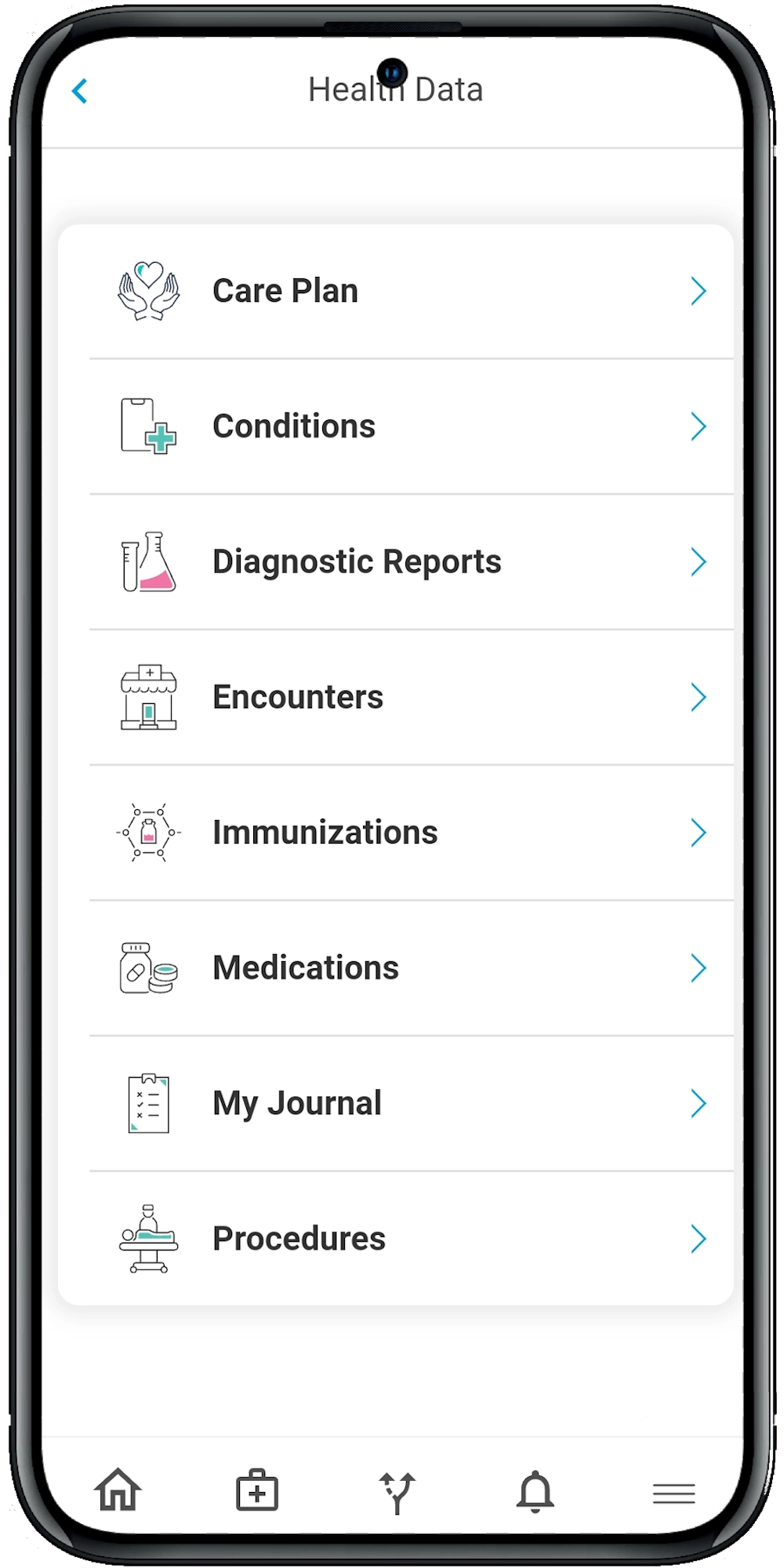
1. Cloud-Based EHRs That Do More Than Store Data
Many ASCs adopted basic digital tools for billing or patient registration, but few have fully embraced integrated cloud-based EHRs. And that’s a missed opportunity.
Modern EHRs designed for ASCs don’t just store patient data—they work behind the scenes to:
- Automate insurance verification and consent capture
- Share data in real-time with referring physicians and specialists
- Alert staff about allergies, contraindications or missing documentation
The Wiggins & Peterson study revealed that over 46% of surveyed ASCs had no access to even basic EHR functionalities like electronic prescribing or lab integration. That creates dangerous gaps during handoffs and slows down care coordination. In contrast, platforms that support full integration offer a seamless experience from pre-op assessments to post-op follow-up.
2. Predictive Scheduling Tools Powered by AI and Machine Learning
If you’ve ever worked in an ASC, you know that operating room (OR) delays create a domino effect. One late procedure can derail an entire day’s schedule. That’s why predictive analytics is changing the game.
In a groundbreaking study by Marchand-Maillet et al., RFID technology was used to track patient movement and predict discharge times with surprising accuracy—42% of patients were discharged within 30 minutes of their scheduled time. When surgeries were scheduled using data-informed estimates based on the surgeon, procedure type and anaesthesia method, patient flow significantly improved.
Today’s AI-based scheduling systems take that even further. They can adjust for last-minute cancellations, flag high-risk procedures that may run long and help staff prepare for optimal turnover. It’s like giving your OR manager a crystal ball—and it works.
3. Digital Patient Engagement Tools That Go Beyond Reminders
The modern patient expects more than a printed instruction sheet. They want mobile updates, easy pre-op forms and clear recovery steps.
That’s where ASC tech is catching up—finally. The best engagement platforms now offer:
- Mobile check-in and intake forms to reduce waiting room bottlenecks
- SMS or email reminders with links to prep instructions
- Real-time updates for family members during surgery
- Post-op follow-up surveys and recovery tracking
Why does this matter? According to CMS data, unplanned readmissions and post-op complications are key quality metrics. Patient adherence plays a huge role here. Engagement tools keep patients informed and reduce costly errors from missed instructions or late arrivals.
4. RFID and Real-Time Location Systems (RTLS) for Smarter Flow
RFID may sound like warehouse tech, but it’s quickly becoming indispensable in ASCs. In the study mentioned earlier, RFID tags tracked patients from admission to discharge, giving administrators real-time insight into flow bottlenecks.
What’s the benefit of RTLS in surgery centers?
- Know exactly where patients are in their surgical journey
- Track room utilisation and turnaround times
- Monitor wait times in pre-op, OR and PACU
- Identify where delays are consistently happening
It’s like having a digital command center for your facility. The result? Shorter stays, better OR utilisation and fewer patient complaints.
5. Smart Clinical Documentation With Voice Recognition
Ask any perioperative nurse or surgeon about documentation, and you’ll probably get an eye roll. Manual charting eats up precious time, and handwritten notes leave too much room for error.
Enter voice-to-text charting and smart documentation systems. These tools allow:
- Surgeons to dictate operative notes directly into the EHR
- Nurses to use checklists with auto-complete fields
- Systems to flag missing data before closing the chart
AORN researchers highlighted the inefficiency of manual audits in ASCs, often requiring a nurse to comb through paper charts just to find out if a consent form was signed. With smart systems, charts are audit-ready with real-time accuracy.
6. Automated Quality Reporting and Compliance Tracking
With CMS tightening its reporting requirements, ASCs need more than spreadsheets to stay compliant. Today’s tech platforms offer built-in quality dashboards that:
- Track performance metrics like infection rates, falls or wrong-site surgeries
- Flag incomplete fields that might affect compliance
- Generate CMS-ready reports for audit season
This isn’t just about checking boxes. Quality data influences ASC reimbursement, reputation and referrals. The right tools turn this burden into an asset.
7. Telehealth for Pre-Op Clearance and Remote Monitoring
COVID-19 made telehealth mainstream, but ASCs are only starting to tap into its potential. Pre-op teleconsults can reduce unnecessary visits, especially for low-risk patients. Post-op check-ins via video or secure messaging can spot complications early without dragging a recovering patient back into the clinic.
Telehealth also makes ASCs more accessible. For elderly patients or those in rural areas, it eliminates transportation barriers and improves continuity of care.
Some forward-thinking platforms even integrate wearable data, allowing physicians to monitor vitals remotely during the critical recovery window. That’s the kind of tech that doesn’t just streamline operations—it can save lives.
Embracing the Digital ASC Future
ASCs that adopt these innovations aren’t just improving efficiency—they’re building a better care experience from the ground up. Patients spend less time waiting. Staff spend less time on paperwork. Administrators get clearer insight into performance and compliance.
The ASCs of the future won’t just be surgery centers. They’ll be high-tech ecosystems that combine precision, personalization and performance—all driven by smart, interoperable technology.
The Wrap
The future of ambulatory surgery centers will be defined by how well they adapt to the demands of a digital-first healthcare system. From predictive analytics to patient engagement tools and real-time clinical documentation, the right technology isn’t just about staying current—it’s about staying competitive.
ASCs that embrace innovation will not only streamline operations but also deliver a higher standard of care that patients, payers and providers can all trust. If you’re ready to move beyond paper charts, disconnected systems and inefficiencies that slow your team down, it’s time to explore what a modern ASC platform can truly offer.
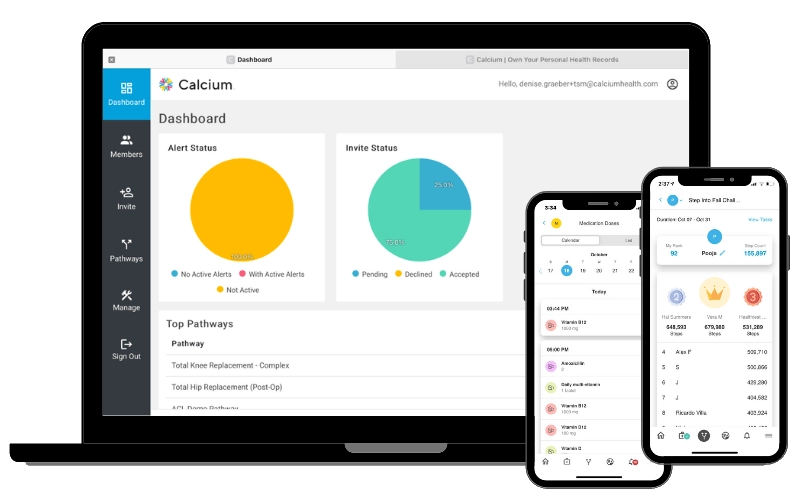
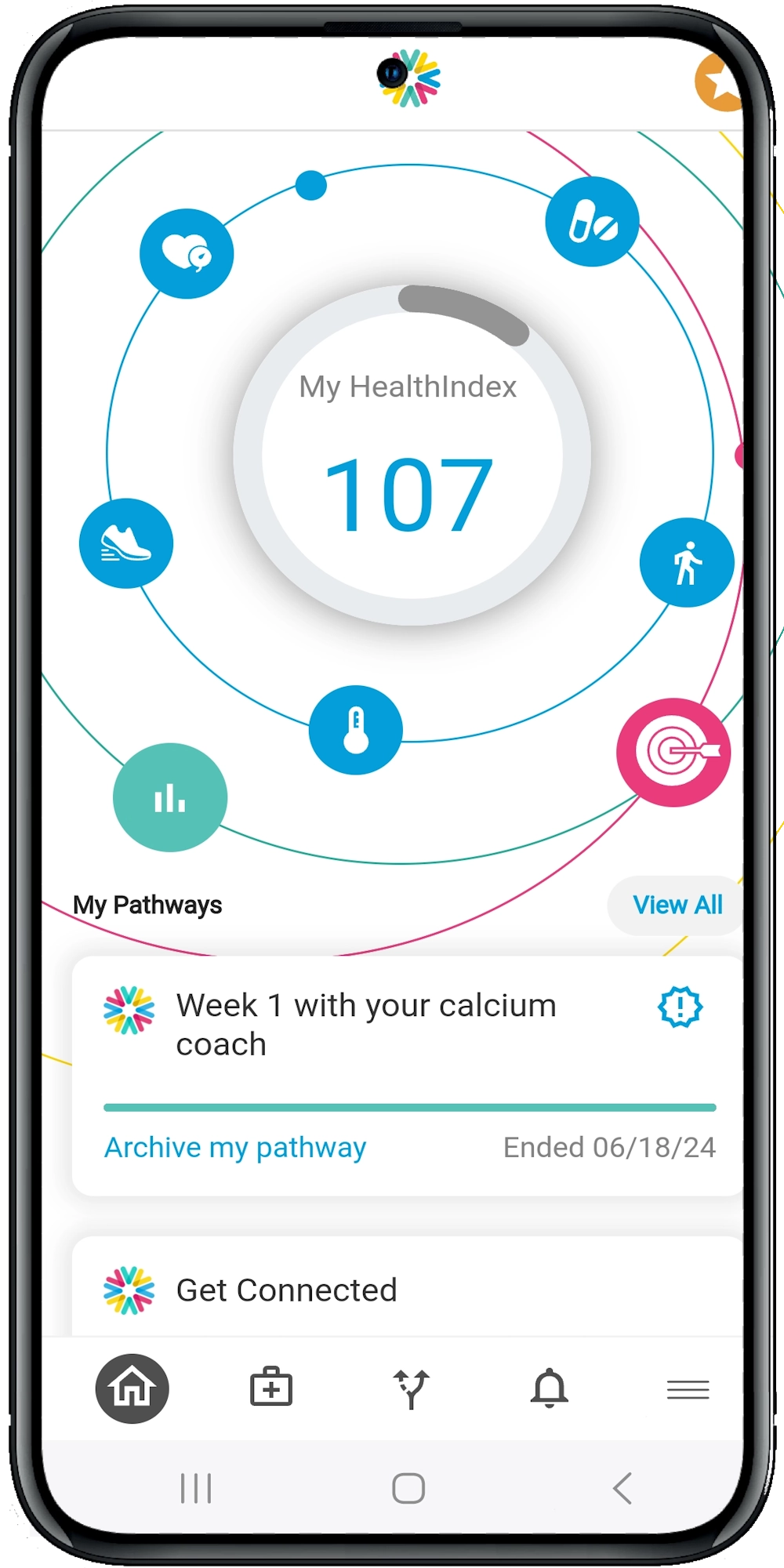
The Calcium digital health platform was built to solve these challenges—integrating EHR, patient flow, reporting and engagement into one powerful solution.
Reference
- Wiggins, C., Peterson, T., & Moss, C. (2015). Ambulatory surgery centers׳’ use of Health Information Technology. Health Policy and Technology, 4(2), 100–106. https://doi.org/10.1016/j.hlpt.2015.02.006
- Marchand-Maillet, F., Debes, C., Garnier, F., Dufeu, N., Didier Sciard, & Beaussier, M. (2015). Accuracy of Patient’s Turnover Time Prediction Using RFID Technology in an Academic Ambulatory Surgery center. Journal of Medical Systems, 39(2). https://doi.org/10.1007/s10916-015-0192-8
- Lavan, M., Swanson, J., Ferrara, A., Gallagher, J., & Hudson, S. (2000). Facilities for Ambulatory Surgery. Springer EBooks, 1–28. https://doi.org/10.1007/978-1-4612-1196-9_1
- Geier, A., & Smith, D. (2019). The Role of Electronic Documentation in Ambulatory Surgery centers. AORN Journal, 109(4), 444–450. https://doi.org/10.1002/aorn.12636
- Wiggins, C., & Peterson, T. S. (2014). The Use of Health Information Technology in Ambulatory Surgery centers. 2014 47th Hawaii International Conference on System Sciences, 2848–2856. https://ieeexplore.ieee.org/document/6758956