How Smarter Communication, Digital Tools, and Personal Touchpoints Are Transforming Surgical Recovery
Outpatient surgery centers are booming. With shorter recovery times and lower costs, they’re becoming the go-to option for millions of Americans.
But one piece of the puzzle often gets overlooked: what happens after the patient walks out the door?
In today’s value-based care world, outcomes don’t end in the operating room—they hinge on how well patients stay engaged during recovery. Missed follow-ups, misunderstood instructions, or poor symptom tracking can turn a routine procedure into a costly complication. That’s why patient engagement isn’t just a buzzword—it’s the backbone of successful outpatient care. And yet, many centers still struggle to get it right.
So, how can outpatient surgery centers truly connect with patients in a meaningful, effective, and scalable way? The answer lies in rethinking engagement from the ground up—with the right tools, strategies, and mindset. Let’s explore what actually works and why it matters more now than ever.
1. Use Mobile Health Apps That Help Patients (Not Just Remind Them)
Digital health apps are everywhere, but not all of them are built with real patients—or their behaviour—in mind. For outpatient surgery, apps need to do more than just send reminders. They should support education, symptom tracking, pain monitoring, and even image uploads.
A great example? The MobiMD pilot study showed that patients recovering from complex abdominal surgeries could use mobile apps effectively with just their own devices. Engagement was highest with features like symptom reporting and lowest with wound care instructions, which tells us that patients interact more when they feel the tool is truly helpful, not just instructional.
To boost digital engagement:
- Keep the interface simple and mobile-friendly
- Focus on features patients care about—like symptom tracking and pain scores
- Avoid overwhelming users with too many push notifications
Think of the app like a digital nurse that stays with the patient when they go home. It should guide, not nag.
2. Add a Behavioural Layer to Your Engagement Tools
Ever wonder why some patients ignore reminders while others follow every instruction to the letter? It’s not just about knowledge—it’s about behaviour. That’s where behavioural design comes in.
Effective platforms incorporate behavioural nudges—like short progress check-ins, milestone badges, or even visual feedback loops. For example, one study found that when a platform tracked recovery through patient-reported outcome measures (PROMs), over 60% of patients stayed engaged across 12 months. That’s powerful.
To make your engagement more behaviorally smart:
- Send messages at the right time (not while patients are groggy or at work)
- Break instructions into bite-sized steps
- Use visual trackers to show progress—people love seeing improvement
It’s like turning recovery into a series of small wins instead of one overwhelming journey.
3. Make Communication Two-Way—Not Just Broadcast
Think about the last time you got a “do not reply” text. How useful was that? Now imagine you’re a patient, unsure if your swelling is normal or if you need to call your doctor. That’s where two-way communication can make or break the experience.
Modern engagement platforms need to go beyond one-way reminders. They should allow patients to:
- Send questions securely
- Upload pictures of incisions
- Report symptoms like fever or shortness of breath
This back-and-forth creates a real-time safety net. In the study at a community hospital’s perioperative surgical home, digital alerts flagged when patients needed help, before they ended up in the ER.
By giving patients a voice, you’re not just collecting data—you’re building trust.
4. Don’t Forget the Caregivers—They’re Your Secret Weapon
It’s easy to forget that many outpatient surgery patients aren’t recovering alone. Spouses, children, and friends often play a major role in helping them heal. But too often, engagement tools ignore them completely.
That’s a big miss.
One study designing a cardiac surgery recovery app found that caregivers wanted to be involved, and their inclusion made patients feel more supported. They asked for access to educational materials, medication lists, and reminders.
How you can involve caregivers:
- Give them shared access to the app or portal
- Send reminders to both the patient and the caregiver
- Provide caregiver-specific guidance (e.g., how to help with dressing changes)
In short, the more you treat the recovery team like a team, the better everyone does.
5. Capture and Use Patient-Reported Outcomes (PROMs)
Data matters—but not just labs and vitals. PROMs (Patient-Reported Outcome Measures) give insight into how the patient is doing. Pain, mobility, satisfaction, and recovery progress—all straight from the source.
Why PROMs work:
- They give patients a structured way to reflect on their recovery
- Clinicians can intervene early when things go off track
- They support value-based care reporting
In rural Montana, one hospital used digital surveys to track pain levels, daily activity, and complications for joint replacement patients. Over time, the data helped clinicians identify risks early and improve outcomes, even with limited in-person follow-ups.
Make PROMs a habit, not a hassle:
- Use short, mobile-friendly surveys
- Ask meaningful questions (pain, activity, sleep)
- Close the loop: show patients their progress
PROMs are like a health diary, and when patients feel heard, they stay engaged.
6. Personalise the Journey with AI and Data
Every patient is different. Some need daily nudges, others just want a weekly check-in. That’s where personalisation comes in—and it’s now possible at scale thanks to AI and data analytics.
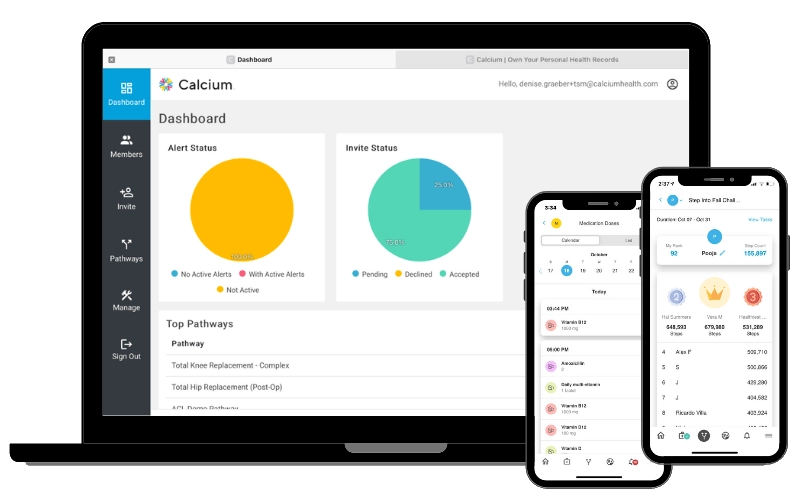
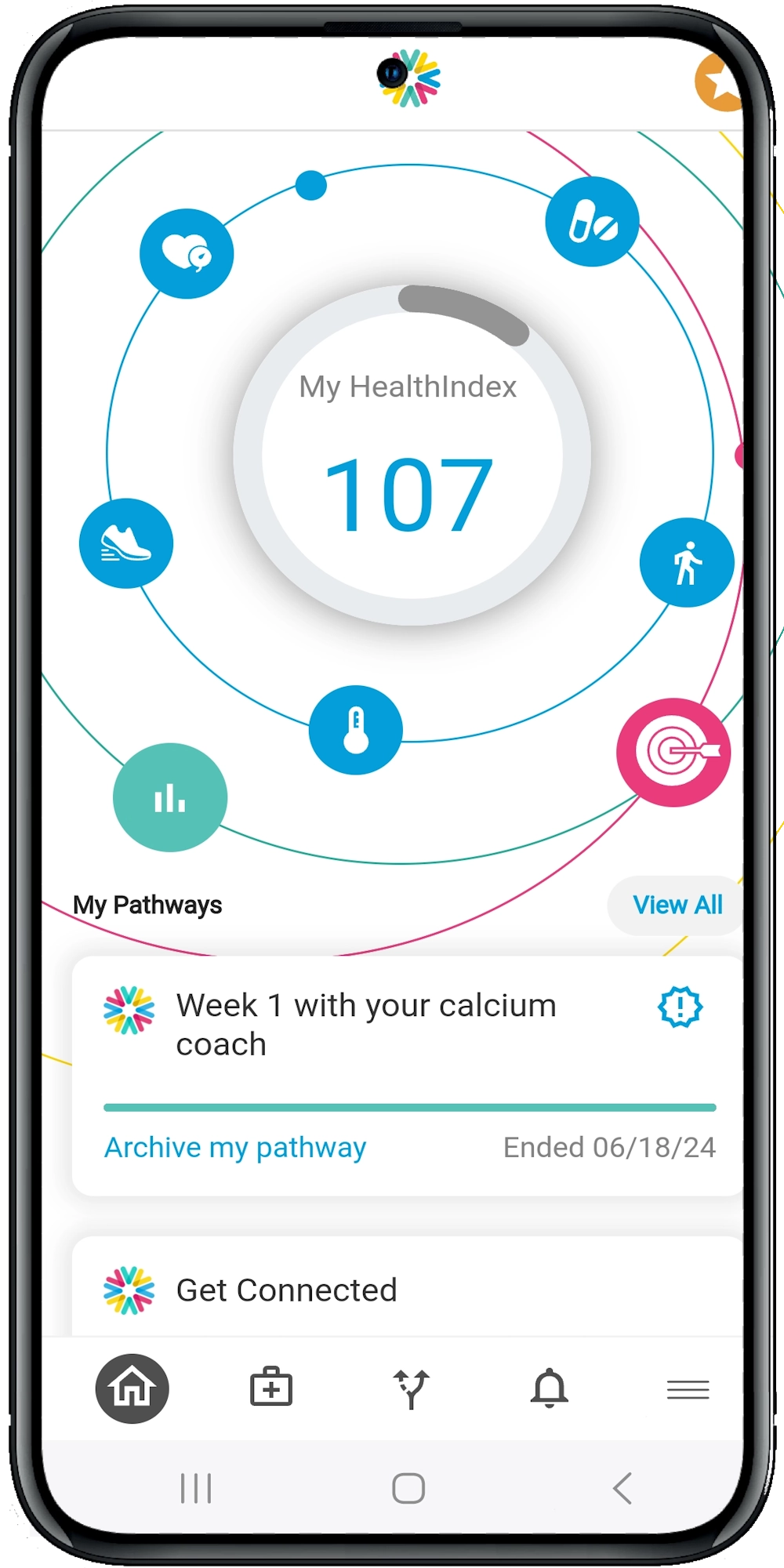
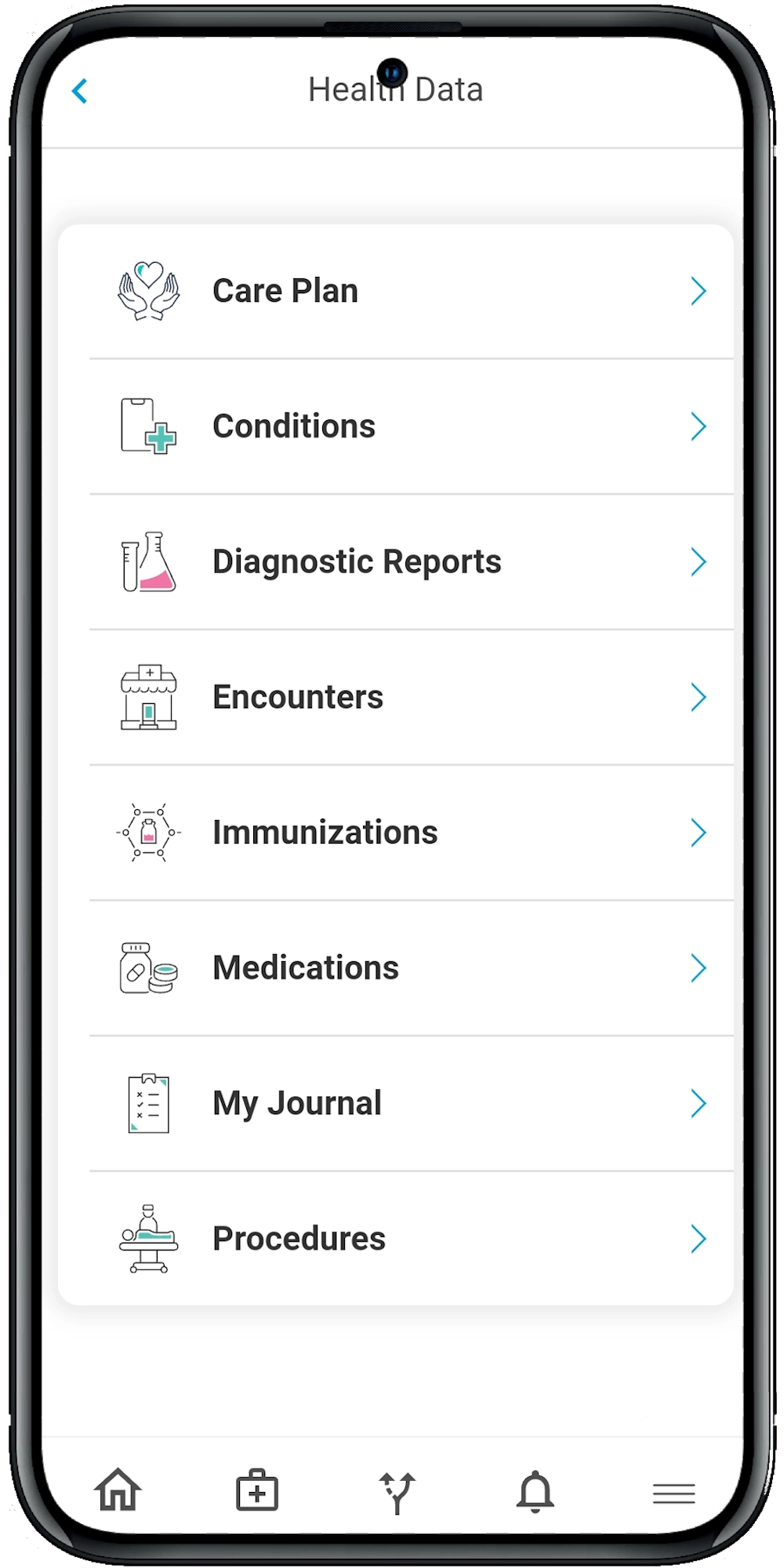
Platforms like Calcium can analyse engagement patterns and customise outreach based on what works for each patient. Think:
- Smart reminders timed around behaviour (not just a calendar)
- Tailored education based on comorbidities or surgery type
- Predictive alerts if a patient is likely to disengage
This is where engagement becomes not just digital, but intelligent. It’s like having a digital care coordinator watching over every patient.
7. Always Close the Loop With Feedback
Patients don’t want to feel like they’re sending data into a black hole. One of the simplest but most effective engagement tools? Feedback.
Instead of just collecting symptom reports or surveys, share something back:
- “Great job—your pain scores have improved this week”
- “You’ve hit your mobility goals—keep it up!”
- “Let us know if that swelling doesn’t go down in 24 hours”
Feedback is the fuel that keeps patients participating. It turns passive tasks into active partnerships.
The Wrap
The ideas we discussed in this post aren’t just theoretical concepts. They’re evidence-based strategies being used right now in ASCs, rural clinics and hospitals across the U.S. The best part? They work—even for older patients, live far away, or don’t consider themselves tech-savvy.
When engagement is done right, it doesn’t just help patients recover—it transforms how outpatient surgery centers deliver value, boost outcomes, and thrive in a competitive healthcare landscape.
The bottom line is that patient engagement in outpatient surgery isn’t just a “nice to have”; it’s essential to better outcomes, fewer complications, and happier patients. From mobile apps to caregiver support to personalised recovery tracking, the right strategies can make all the difference. But the real magic happens when those strategies come together in one seamless, intelligent platform.
Reference
- Diehl, T. M., Barrett, J. R., Van Doorn, R., Cherney Stafford, L. M., Hanlon, B. M., Weber, S. M., Voils, C. I., & Abbott, D. E. (2022). Promoting patient engagement during care transitions after surgery using mobile technology: Lessons learned from the MobiMD pilot study. Surgery, 172(1), 219–225. https://doi.org/10.1016/j.surg.2021.12.018
- Pai, S.-L., Ladlie, B., Locke, K., & Getting, R. G. (2024). Patient-Centred Care for Ambulatory Surgery. International Anesthesiology Clinics, 63(1), 14–22. https://doi.org/10.1097/aia.0000000000000461
- Chudyk, A. M., Ragheb, S., Kent, D., Duhamel, T. A., Hyra, C., Dave, M. G., Arora, R. C., & Schultz, A. S. (2021). Patient Engagement in the Design of a Mobile Health App That Supports Enhanced Recovery Protocols for Cardiac Surgery: Development Study. JMIR Perioperative Medicine, 4(2), e26597. https://doi.org/10.2196/26597
- Sridhar, S., Amy Mount Hunter, & McCrory, B. (2023). Digital patient engagement at a perioperative surgical home implemented a community hospital. Patient Experience Journal, 10(1), 141–154. https://doi.org/10.35680/2372-0247.1683
- Campbell, K., Louie, P., Levine, B., & Gililland, J. (2020). Using Patient Engagement Platforms in the Postoperative Management of Patients. Current Reviews in Musculoskeletal Medicine, 13(4), 479–484. https://doi.org/10.1007/s12178-020-09638-8