Powering DPC Growth with Leading-Edge Technology for Enhanced Patient Care, Efficiency and Outcomes in DPC
Introduction
Incorporating digital health tools and strategies into Direct Primary Care (DPC) isn’t just a trend—it’s a necessity for DPC effectiveness, efficiency and care quality.
It’s also critical for the growth of DPC practices.
Digital health encompasses a range of technologies, including telemedicine, remote patient monitoring, health apps, and wearable devices. These tools enhance accessibility, improve patient engagement, and provide real-time health data that can be crucial for early intervention.
With remote patient monitoring, a doctor can track a patient’s blood pressure or glucose levels from afar, catching potential issues before they become serious problems. Telemedicine allows for virtual visits, making healthcare accessible even to those in remote areas or those unable to travel. Health apps can remind patients to take their medication, track their diet, and log symptoms.
Digital health bridges the gap between patient needs and effective care delivery — key principles behind the Direct Primary Care movement.
Without a doubt, DPC is a revolutionary healthcare model that puts patients first by eliminating the intermediaries—insurance companies. This model fosters a closer doctor-patient relationship, encourages preventive care, and allows for more personalized attention.
Integral to the DPC Evolution
Digital health and healthcare technology are not just a trend. They are part of the revolution that DPC has promulgated over the past four decades.
Remember that traditional primary care has long been plagued by inefficiencies and barriers, primarily due to insurance company protocols and paperwork. Doctors often spent more time on administrative tasks than on patient care, leading to burnout and dissatisfaction on both sides. Patients, too, were frustrated by long wait times, rushed appointments, and impersonal care.
The concept of DPC emerged as a response to these challenges. It aims to simplify the healthcare delivery model by removing the complexities introduced by insurance companies.
Switching from a traditional practice to DPC is like moving from a crowded, noisy city to a peaceful countryside. It’s a transition that many providers find daunting yet ultimately rewarding. The shift requires changes in billing, patient management, and overall practice operations.
However, the benefits of DPC are significant:
- Better Patient Relationships. DPC fosters closer, more personalized relationships with patients.
- Reduced Administrative Burden. With no insurance paperwork, doctors can spend more time with patients.
- Enhanced Care Quality. Focused, unhurried consultations lead to better diagnosis and treatment plans.

The Role of Digital Health in This Evolution
Digital health technologies play an increasingly prevalent, but always pivotal role in this transition. They help manage the increased volume of patient data and maintain high levels of care even as practices grow.
For instance, electronic health records (EHRs) streamline patient documentation, while telemedicine platforms facilitate remote consultations.
Digital health isn’t just an add-on to DPC—it’s a game-changer. Imagine having a toolbox where each tool significantly enhances your ability to provide care. Here’s how digital health technologies integrate seamlessly into DPC:
- Remote Patient Monitoring (RPM). RPM devices, like wearable ECG monitors or smart blood glucose meters, provide real-time health data. This continuous stream of information enables proactive care and timely interventions. For example, a patient with hypertension can have their blood pressure monitored remotely, allowing for adjustments in treatment before a crisis occurs.
- Telemedicine platforms break down geographical barriers, making it easier for patients to access care. Whether it’s a follow-up visit or a consultation for a minor issue, telemedicine saves time and resources for both patients and providers. It’s particularly beneficial in managing chronic conditions where regular check-ins are crucial.
- Health Monitoring Apps. These apps empower patients to take charge of their health. They can log symptoms, track medication adherence, and receive personalized health tips. For DPC providers, these apps offer valuable insights into a patient’s daily health patterns, aiding in more accurate and timely clinical decisions.
- AI and Predictive Analytics. AI tools analyze vast amounts of data to predict health trends and potential issues. For example, AI can identify patients at risk of developing diabetes based on their lifestyle and genetic factors, allowing for early interventions and personalized care plans.
- Patient Engagement Tools. Digital health offers patient engagement resources, from interactive educational materials and daily patient guidance to medication monitoring and vitals tracking. And with gamification and health pathway resources, digital health encourages and empowers patients to take greater control of their health.
Digital health technologies enhance the DPC model by making healthcare more accessible, efficient, and personalized. They allow practitioners to offer high-quality care without the administrative hassles that plague traditional practices.
By embracing digital health, you’re not just keeping up with the times; you’re setting a new standard in patient care. Let’s embark on this journey to transform your practice and improve patient outcomes through the power of digital health.
The 10 Primary Digital Health Opportunities for DPC
Digital health tools offer transformative potential, allowing DPC practices to enhance care quality, streamline operations, and improve patient outcomes. In this chapter, we’ll quickly review 10 primary areas where digital health can make a significant impact on your practice.
1. Patient Engagement and Communication
Engaging patients effectively is the cornerstone of any successful healthcare practice. In DPC, maintaining open lines of communication is even more critical due to the personalized nature of care.
Digital tools like patient portals and secure messaging systems facilitate this interaction, providing platforms where patients can easily access their health information, schedule appointments, and communicate with their providers.
For instance, imagine a patient with chronic conditions being able to message their doctor directly through a secure app to discuss symptoms or concerns. This immediate access fosters a sense of trust and encourages patients to be more proactive about their health.
2. Remote Patient Monitoring (RPM)
Remote patient monitoring (RPM) is a game-changer for managing chronic conditions and maintaining patient health. RPM devices, such as wearable ECG monitors and smart glucose meters, continuously collect and transmit health data. This real-time data allows providers to monitor patients’ health outside the clinic, catching potential issues early.
Think of RPM as having a digital guardian angel keeping an eye on your patients’ health around the clock. This constant vigilance can prevent hospitalizations and improve overall health outcomes by enabling timely interventions.
3. Health Monitoring Apps
Health monitoring apps empower patients by putting their health management in their hands. These apps can track various health metrics, from daily steps and caloric intake to more complex data like blood pressure and glucose levels.
For DPC practitioners, these apps offer a treasure trove of data that can be used to tailor treatment plans and provide personalized care.
For example, a patient managing diabetes can use an app to log their daily blood sugar levels, diet, and physical activity. The app can then provide insights and reminders, helping the patient stay on track and manage their condition more effectively.
4. AI and Predictive Analytics
Artificial intelligence (AI) and predictive analytics are revolutionizing healthcare by providing insights that were previously unattainable. AI algorithms can analyze vast amounts of patient data to identify patterns and predict health outcomes.
For DPC physicians and practitioners, this means being able to anticipate patient needs and intervene early.
Imagine being able to predict which patients are at risk of developing complications from a chronic disease. With this information, you can proactively adjust treatment plans, provide additional resources, and ultimately improve patient outcomes.
5. Digital Medical Devices and Wearables
Wearable technology has come a long way, offering a plethora of devices that track various health metrics. Smartwatches, fitness trackers, and specialized medical wearables provide continuous data on heart rate, activity levels, sleep patterns, and more.
For healthcare providers in the DPC space, these devices offer a window into patients’ daily lives, providing valuable context for health decisions.
Consider a patient wearing a smartwatch that tracks their heart rate and activity levels. The data collected can help identify patterns that may indicate underlying health issues, allowing for early intervention and better management of conditions.
6. Telemedicine
Telemedicine has emerged as a vital tool for expanding access to care, especially in the wake of the COVID-19 pandemic. Telemedicine platforms enable virtual consultations, making it easier for patients to receive care without the need for in-person visits.
This is particularly beneficial for patients in remote areas or those with mobility issues.
Imagine being able to conduct a follow-up visit with a patient from the comfort of their home. Telemedicine not only saves time and resources but also reduces the risk of exposure to contagious illnesses, providing a safer and more convenient option for care.
7. Electronic Health Records (EHR) Optimization
Electronic Health Records (EHR) are the backbone of modern healthcare practices, providing a centralized system for storing and accessing patient information. Optimizing your EHR system can streamline operations, reduce administrative burdens, and improve patient care.
A well-integrated EHR system allows for seamless data sharing, ensuring that all relevant health information is readily available when needed.
Think of your EHR system as a digital filing cabinet that keeps all your patient records organized and easily accessible. This organization improves efficiency and reduces the risk of errors, ultimately enhancing the quality of care.
8. Patient Education, Engagement and Self-Management
Educated patients are empowered patients. Digital education platforms and self-management tools provide patients with the information they need to take control of their health.
Interactive resources, personalized health plans, and educational videos can help patients understand their conditions and the steps they need to take to manage them effectively.
Consider a patient newly diagnosed with hypertension. Access to a digital platform that offers educational content, lifestyle tips, and medication reminders can make a significant difference in their ability to manage their condition and avoid complications.
9. Data Security and Privacy
In the digital age, protecting patient data is paramount. Ensuring that your practice complies with data security regulations like HIPAA and GDPR is essential to maintaining patient trust.
Implementing robust security measures, such as encryption and secure access controls, can safeguard sensitive information and prevent breaches.
Imagine your digital health system as a fortress protecting your patients’ data. By prioritizing security, you not only comply with regulations but also build trust and confidence among your patients.
10. Workflow Automation and Practice Efficiency
Automation tools can significantly enhance the efficiency of your practice by reducing the burden of manual tasks. Automated scheduling, billing, and reminders can streamline operations, freeing up time for you and your staff to focus on patient care. This increased efficiency can lead to higher patient satisfaction and better health outcomes.
Think of workflow automation as having a digital assistant that handles the administrative tasks, allowing you to concentrate on what you do best—providing excellent patient care.
Enhancing Patient Engagement & Communication
Effective communication significantly impacts patient satisfaction, adherence to treatment plans, and overall health outcomes. By leveraging digital health tools, you can transform how you connect with your patients, making your practice more efficient and patient centered.
Patient Portals and Communication Tools
Patient portals are a cornerstone of modern healthcare communication. These digital platforms provide patients with secure, convenient access to their health information and a direct line to their healthcare providers. Imagine a virtual front desk that’s always open, where patients can check their lab results, view their medical history, and reach out to their doctor with a few clicks.
Secure Messaging Systems
Secure messaging systems within patient portals are a game-changer. They allow patients and providers to communicate efficiently while maintaining the privacy and security of sensitive health information.
Gone are the days of phone tag and missed messages. With secure messaging, patients can send questions about their symptoms, medication, or follow-up care, and providers can respond promptly.
For instance, a patient experiencing side effects from a new medication can message their doctor and receive guidance without the need for an office visit. This immediate access reduces anxiety and ensures that patients feel supported in their healthcare journey.
Appointment Scheduling and Reminders
Appointment scheduling can be a logistical nightmare for both patients and providers. Digital health tools simplify this process by offering online scheduling options. Patients can book, reschedule, or cancel appointments at their convenience, without needing to call the office. This flexibility is especially beneficial for busy individuals who might otherwise delay seeking care due to scheduling conflicts.
Automated reminders are another powerful feature. These reminders can be sent via text, email, or through the patient portal, reducing no-show rates and helping patients keep track of their healthcare commitments. Think of these reminders as a personal assistant who ensures that patients don’t miss their appointments or important follow-ups.
Personalized Patient Education and Health Literacy Resources
Educating patients is a critical aspect of healthcare, yet traditional methods often fall short. Digital health tools offer a dynamic solution by providing personalized education resources tailored to each patient’s needs.
These can include articles, videos, and interactive modules that address specific health conditions, treatments, and lifestyle changes.
Imagine a patient diagnosed with hypertension receiving a customized educational plan that includes videos on managing blood pressure, articles on dietary changes, and interactive tools for tracking their progress. This personalized approach not only enhances understanding but also empowers patients to take an active role in their health management.
Telemedicine
Telemedicine has emerged as a vital tool for expanding access to care, especially in the wake of the COVID-19 pandemic. It offers patients the convenience of virtual consultations and remote follow-ups, reducing the need for in-person visits and making healthcare more accessible.
Virtual Consultations
Virtual consultations allow patients to connect with their healthcare providers from the comfort of their homes. Using video conferencing technology, doctors can conduct comprehensive assessments, provide medical advice, and even prescribe medications. This is particularly beneficial for patients with mobility issues or those living in remote areas.
For example, a patient with a chronic condition like diabetes can have regular check-ins with their doctor via video calls, ensuring continuous monitoring and timely interventions without the hassle of traveling to the clinic.
Remote Follow-Ups
Remote follow-ups are another significant advantage of telemedicine. After an initial in-person visit, follow-up appointments can be conducted virtually, saving time for both patients and providers.
This is especially useful for post-surgery check-ins or monitoring chronic conditions, where frequent visits might be necessary.
Consider a patient recovering from surgery who can show their healing incision to their doctor over a video call, receiving immediate feedback and reassurance without leaving their home. This not only improves patient convenience but also optimizes clinic resources.
The Importance of Enhancing Patient Engagement
Why is patient engagement so crucial? Engaged patients are more likely to adhere to treatment plans, make informed decisions, and maintain a healthier lifestyle. In DPC, where the focus is on building long-term relationships, engagement fosters trust and satisfaction.
When patients feel connected and supported, they are more likely to stay loyal to your practice and recommend your services to others.
Enhancing patient engagement also improves health outcomes. By using digital tools to keep patients informed and involved, you create a partnership where patients feel valued and responsible for their health.
How Digital Health Integrates with Communication
Integrating digital health tools into your practice doesn’t have to be daunting. Start with a robust patient portal that offers secure messaging, online scheduling, and access to personalized educational resources.
Here’s how you can make it work:
- Choose the Right Platform. Look for a patient portal that is user-friendly and integrates seamlessly with your existing EHR system. The easier it is for patients to navigate, the more likely they are to use it regularly.
- Educate Your Patients. Introduce the portal during visits and provide demonstrations on how to use it. Show them how to send messages, schedule appointments, and access educational materials. The more comfortable they are with the technology, the more they will engage with it.
- Leverage Automation. Use automated reminders for appointments and follow-ups. This not only helps patients remember their commitments but also frees up your staff from making reminder calls.
- Monitor and Adjust. Keep track of how patients are using the portal and adjust your approach as needed. Are they engaging with educational resources? Are they using the messaging system? Use this data to continuously improve your communication strategies.
Overcoming Challenges
Implementing digital health tools comes with its own set of challenges. Some patients might be resistant to using technology, especially older adults or those less familiar with digital devices.
Addressing these concerns requires patience and education. To ensure a successful implementation of digital health tools and strategies, we recommend offering training sessions, providing resource guides, and ensuring that your staff is available to assist patients with any difficulties.
Data security is another critical issue. Ensure that your patient portal and messaging systems comply with HIPAA regulations and use robust encryption methods to protect patient information. Regularly update your security protocols and educate your staff on best practices for data security.
The Future of Patient Engagement
By leveraging patient portals, secure messaging, online scheduling, personalized education resources, and telemedicine, you can create a more connected, efficient, and patient-centered practice. This proactive approach will not only improve patient satisfaction and outcomes but also ensure the long-term success of your practice.
As technology continues to evolve, so will the ways we engage with patients. Future advancements might include AI-driven chatbots that provide real-time support, virtual reality for immersive patient education, and even more sophisticated wearable devices that integrate with patient portals. Staying ahead of these trends will ensure that your practice remains at the forefront of patient care.
Remote Patient Monitoring (RPM)
By enabling continuous monitoring and real-time data collection, remote patient monitoring empowers both patients and healthcare providers to manage chronic conditions more effectively. RPM leverages a variety of devices and platforms to collect health data from patients in real-time.
These tools enable continuous observation of patient health, providing critical insights that can lead to timely interventions and better outcomes.
Types of Devices
RPM encompasses a wide range of devices designed to monitor different aspects of a patient’s health. Here are some of the most commonly used RPM devices:
- Blood Pressure Monitors. These devices allow patients to measure their blood pressure at home, providing valuable data that can help manage conditions like hypertension.
- Glucose Meters. For patients with diabetes, continuous glucose monitors (CGMs) track blood sugar levels throughout the day, alerting both patients and providers to any dangerous fluctuations.
- Pulse Oximeters. These devices measure the oxygen saturation level in the blood, which is crucial for patients with respiratory conditions.
- Wearable ECG Monitors. These track the electrical activity of the heart, helping in the management of conditions like atrial fibrillation.
- Weight Scales. Smart scales can monitor weight changes, which is especially important for patients with heart failure or other conditions where fluid balance is critical.
These devices are often equipped with Bluetooth or Wi-Fi capabilities, enabling them to send data directly to healthcare providers.
Integration with Patient Records
One of the most significant advantages of RPM is its ability to integrate seamlessly with electronic health records (EHRs). This integration ensures that the data collected by RPM devices is automatically updated in the patient’s medical record, providing a comprehensive view of their health.
Imagine a scenario where a patient with hypertension uses a blood pressure monitor that sends data directly to their doctor. The doctor can review this information in real-time, making it easier to adjust medications or recommend lifestyle changes without waiting for the next appointment. This continuous flow of information bridges the gap between visits, allowing for a more proactive approach to care.
Continuous Monitoring and Data Collection
Continuous monitoring is a key feature of RPM. Unlike traditional methods, where data is collected only during office visits, RPM devices collect data around the clock. This continuous data stream provides a more accurate and complete picture of the patient’s health.
For example, a patient using a continuous glucose monitor can track their blood sugar levels throughout the day and night. This data can reveal patterns and trends that might be missed during a single office visit. Continuous monitoring helps identify potential issues early, allowing for prompt intervention.
Impact on Chronic Disease Management
Chronic diseases such as diabetes, hypertension, and heart disease require ongoing management and regular monitoring. RPM has the potential to significantly improve outcomes for patients with these conditions by enabling more personalized and proactive care.
Improved Outcomes Through Proactive Monitoring
Proactive monitoring through RPM can lead to significant improvements in patient outcomes. By providing real-time data, RPM enables healthcare providers to identify and address potential issues before they become serious problems.
Here’s how RPM contributes to better chronic disease management:
- Early Detection of Complications. Continuous monitoring helps detect complications early, allowing for timely intervention. For example, regular monitoring of blood pressure can help identify hypertension before it leads to more serious cardiovascular problems.
- Personalized Treatment Plans. RPM data allows for more personalized treatment plans. Healthcare providers can tailor interventions based on the patient’s real-time data, ensuring that treatments are more effective.
- Reduced Hospitalizations. By catching potential issues early, RPM can reduce the need for hospitalizations. This not only improves patient outcomes but also reduces healthcare costs.
- Enhanced Patient Engagement. RPM encourages patients to take an active role in their healthcare. By providing them with real-time data, patients can better understand their condition and the impact of their lifestyle choices.
For instance, a patient with heart failure using a smart scale can monitor their weight daily. Sudden weight gain can indicate fluid retention, a common symptom of worsening heart failure. By catching this early, the patient can contact their healthcare provider, who can adjust their medication or recommend other interventions to prevent hospitalization.
Challenges and Considerations for DPC
While RPM offers numerous benefits, it also comes with challenges. Ensuring data security and patient privacy is paramount. Healthcare providers must use secure platforms that comply with regulations such as HIPAA to protect patient information.
Additionally, there may be resistance from patients who are not comfortable using technology. Providing education and support can help overcome this barrier. It’s also essential to choose user-friendly devices and platforms that simplify the monitoring process for patients.
Moreover, integrating RPM into existing workflows can be complex. It requires coordination between different healthcare providers and systems to ensure that the data collected is used effectively. Investing in training for healthcare providers can help ensure that RPM is implemented smoothly and efficiently.
Future Directions for RPM in DPC
The future of RPM in Direct Primary Care is promising. As technology continues to advance, we can expect even more sophisticated devices and platforms that provide deeper insights into patient health. For example, advancements in artificial intelligence (AI) could lead to predictive analytics that identify health risks before they become apparent.
Wearable devices are also becoming more advanced, offering new ways to monitor health. Future wearables might include sensors that monitor a wide range of biomarkers, providing a comprehensive view of a patient’s health.
By providing real-time data and enabling continuous monitoring, RPM allows for more proactive and personalized care. This not only improves outcomes for patients with chronic conditions but also enhances the overall efficiency and effectiveness of healthcare delivery.
Health Monitoring Apps
Mobile health applications, or mHealth apps, are digital tools that patients can use on their smartphones or tablets to monitor various aspects of their health. These apps cover a wide range of health conditions and offer a plethora of features designed to support patients in managing their health more effectively.
In the realm of Direct Primary Care, health monitoring apps are revolutionizing how we approach patient care. These mobile health applications empower patients to take control of their health, offering real-time data and personalized insights that can enhance engagement and improve outcomes.
Popular Apps for Various Health Conditions
There are countless health monitoring apps available today, each catering to different health needs. Here are some popular ones:
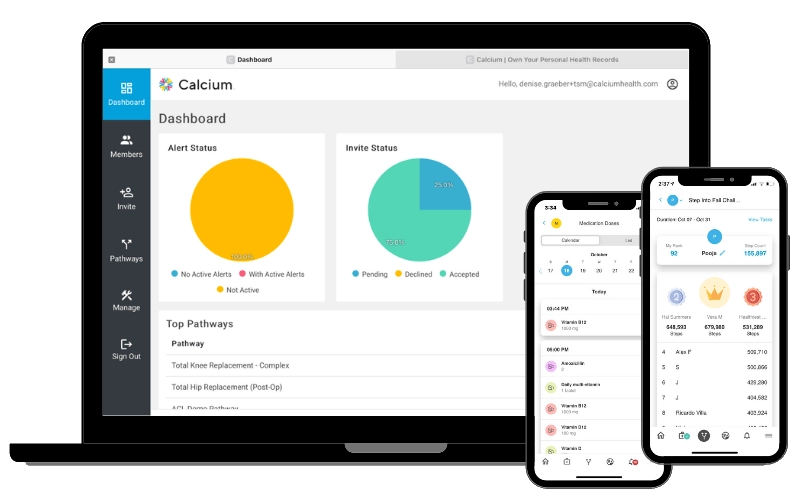
- Calcium App. Calcium offers a robust patient engagement and empowerment app that also gives DPC providers the ability to remotely manage and guide their patients’ care. Through the Calcium app, patients can access their electronic health records (EHR), as well as integrate data from various medical devices, wearables and health apps. They can also use pathways assigned by their DPC provider or take advantage of one of the pathways in the Calcium library.
- This app helps users track their diet and exercise, making it easier to maintain a healthy lifestyle. It offers a comprehensive food database, barcode scanning for easy logging, and personalized fitness plans.
- Glucose Buddy. Designed for individuals with diabetes, Glucose Buddy allows users to log their blood glucose levels, medication, diet, and physical activity. It provides visual graphs to help patients and their healthcare providers identify trends and patterns.
- HeartWise Blood Pressure Tracker. This app enables patients to monitor their blood pressure and heart rate. It offers reminders for taking measurements and medication, and it can generate reports that can be shared with healthcare providers.
- A mental health app that offers guided meditation and mindfulness exercises, Headspace helps users manage stress, anxiety, and sleep issues.
- This app assists asthma patients in tracking their symptoms, medication use, and peak flow readings. It also allows users to share their data with their healthcare providers for better asthma management.
Common App Features and Functionalities
Health monitoring apps, such as the Calcium health app, come equipped with various features that make them invaluable tools for both patients and healthcare providers. Some of these key features include:
- Tracking Capabilities. Many health apps allow users to log and track various health metrics, such as blood pressure, blood glucose levels, weight, and physical activity. This data can provide insights into the patient’s health status over time.
- Reminders and Alerts. Apps can send reminders for medication, appointments, and health check-ups, helping patients stay on track with their treatment plans.
- Educational Resources. Many apps offer educational content related to specific health conditions, empowering patients with knowledge about their health and how to manage it effectively.
- Integration with Other Devices. Health apps often integrate with wearable devices, such as fitness trackers and smartwatches, to provide a more comprehensive view of the user’s health.
- Data Sharing. Patients can easily share their health data with their healthcare providers, facilitating better communication and more informed decision-making.
Patient Adherence and Engagement
One of the biggest challenges in healthcare is ensuring patient adherence to treatment plans. Health monitoring apps can play a crucial role in improving adherence and engagement by making health management more interactive and personalized.
These apps use various strategies to enhance patient engagement:
- Some apps incorporate gamification elements, such as rewards and challenges, to motivate users to stay engaged with their health goals.
- Social Support. Many health apps include social features that allow users to connect with friends, family, or support groups. This social interaction can provide encouragement and accountability.
- Health apps can personalize the user experience by tailoring content and recommendations based on the user’s data and preferences. This personalization makes the app more relevant and useful to the individual.
Healthcare Data Analytics
The power of health monitoring apps lies not just in the data they collect, but in how this data is analyzed and used to provide actionable insights. Data analytics plays a pivotal role in transforming raw data into meaningful information that can guide health decisions.
Tracking and Analyzing Patient Data
Health apps continuously collect data on various health metrics, creating a wealth of information that can be analyzed to identify trends and patterns. For example, a diabetes management app might track a user’s blood glucose levels over time, revealing patterns that indicate how different foods, activities, or medications affect their blood sugar.
Analytics tools within these apps can generate visual reports and graphs, making it easier for both patients and healthcare providers to understand the data. These insights can lead to more informed decisions about treatment adjustments, lifestyle changes, and other interventions.
Personalized Health Recommendations
One of the most valuable features of health monitoring apps is their ability to provide personalized health recommendations based on the data they collect. By analyzing a user’s health data, these apps can offer tailored advice that aligns with the individual’s unique health needs and goals.
For example, a fitness app might suggest specific exercises based on the user’s activity levels and fitness goals. A blood pressure monitoring app might recommend dietary changes or stress management techniques based on the user’s blood pressure trends.
Leveraging Health Monitoring Apps for DPC
Health monitoring apps are transforming the landscape of Direct Primary Care by empowering patients to take an active role in managing their health. These apps provide valuable tools for tracking health metrics, staying on top of treatment plans, and making informed health decisions.
By leveraging data analytics, health apps can offer personalized insights and recommendations that enhance patient engagement and improve health outcomes. As technology continues to advance, the capabilities of health monitoring apps will only grow, offering even more sophisticated tools for managing health.
Direct Primary Care providers who embrace these digital health tools will be well-positioned to deliver high-quality, patient-centered care that meets the needs of today’s tech-savvy patients. These apps provide patients with the tools they need to manage their health effectively while giving healthcare providers the data and insights necessary to deliver personalized, proactive care.
By integrating these apps into their practice, DPC providers can enhance patient engagement, improve adherence to treatment plans, and ultimately achieve better health outcomes for their patients.
AI and Predictive Analytics
Artificial Intelligence (AI) and predictive analytics are revolutionizing healthcare, offering powerful tools to enhance diagnostics, treatment, and decision-making. In the context of Direct Primary Care, these technologies can significantly improve patient outcomes and streamline practice operations.
AI has made significant strides in healthcare, particularly in diagnostics and treatment. These technologies can analyze vast amounts of data quickly and accurately, providing insights that would be impossible for humans to achieve alone.
AI-Driven Diagnostic Tools
AI-driven diagnostic tools leverage machine learning algorithms to analyze medical images, patient records, and other data sources to identify diseases and conditions with remarkable accuracy. For example:
- Radiology and Imaging. AI algorithms can interpret medical images such as X-rays, MRIs, and CT scans, detecting abnormalities like tumors or fractures with high precision. Studies have shown that AI can match or even surpass human radiologists in diagnosing certain conditions (McKinney et al., 2020).
- AI tools can analyze tissue samples to detect cancer cells and other pathological conditions. These tools enhance the accuracy and speed of diagnoses, leading to faster treatment decisions.
Predictive Analytics for Disease Progression
Predictive analytics involves using data, statistical algorithms, and machine learning techniques to identify the likelihood of future outcomes based on historical data. In healthcare, this means predicting disease progression and patient outcomes.
Here are just two ways predictive analytics can work in DPC:
- Chronic Disease Management. Predictive models can analyze patient data to forecast the progression of chronic diseases such as diabetes, hypertension, and heart disease. By identifying patients at higher risk of complications, providers can intervene early with targeted treatments and lifestyle modifications.
- Preventive Care. AI can help predict which patients are at risk of developing certain conditions, allowing for proactive preventive measures. For example, an AI model might identify patients at high risk for diabetes based on their medical history, lifestyle factors, and genetic information, enabling early intervention to prevent the onset of the disease.
Enhancing Decision-Making
AI and predictive analytics are not just about diagnosing and predicting diseases; they also play a crucial role in enhancing clinical decision-making. These technologies provide DPC practitioners with tools that support more informed, data-driven decisions.
Clinical Decision Support Systems
Clinical decision support systems (CDSS) are AI-powered tools that assist healthcare providers in making clinical decisions. These systems analyze patient data and provide evidence-based recommendations for diagnosis, treatment, and management. Key features of CDSS include:
- Guideline Adherence. CDSS can help ensure that providers follow clinical guidelines by offering reminders and alerts based on best practices and the latest medical research.
- Personalized Treatment Plans. By analyzing individual patient data, CDSS can recommend personalized treatment plans tailored to the patient’s unique needs and conditions. This approach leads to more effective and patient-centered care.
Risk Stratification and Management
Risk stratification involves categorizing patients based on their risk of experiencing adverse health outcomes. AI and predictive analytics enhance this process by providing more accurate and nuanced assessments of patient risk:
- Identifying High-Risk Patients. Predictive models can identify patients at high risk for hospital readmissions, complications, or disease progression. This allows providers to allocate resources more effectively, focusing on patients who need the most intensive care.
- Targeted Interventions. With a better understanding of patient risk profiles, DPC providers can implement targeted interventions designed to mitigate risks. For example, a patient identified as high-risk for heart disease might receive a personalized care plan that includes regular monitoring, medication management, and lifestyle counseling.
Benefits and Challenges of AI in DPC
While AI and predictive analytics offer numerous benefits, they also present certain challenges that must be addressed to maximize their potential in DPC practices.
Benefits
- Improved Accuracy. AI-driven tools can analyze data with high accuracy, reducing diagnostic errors and improving patient outcomes.
- Automation of routine tasks, such as data analysis and report generation, frees up time for providers to focus on patient care.
- AI enables more personalized care by tailoring treatments and interventions to individual patient needs.
- Early Intervention. Predictive analytics allows for early identification of risks, enabling timely interventions that can prevent disease progression and complications.
Challenges
- Data Privacy. Ensuring the privacy and security of patient data is paramount. Healthcare providers must implement robust data protection measures to safeguard sensitive information.
- Bias in Algorithms. AI algorithms can sometimes reflect biases present in the training data, leading to disparities in care. Continuous monitoring and updating of algorithms are necessary to mitigate this risk.
- Integrating AI tools into existing healthcare systems can be complex and requires careful planning and investment in technology and training.
Leveraging AI and Predictive Analytics for DPC
The integration of AI and predictive analytics into DPC practices offers a glimpse into the future of healthcare, where data-driven insights and advanced technologies play a central role in improving patient outcomes. DPC providers can harness the full potential of these innovations to optimize their practices and enhance the quality of care they provide.
AI and predictive analytics are not just technological advancements; they are catalysts for a new era of healthcare. By incorporating these tools into their practices, Direct Primary Care providers can lead the way in delivering high-quality, proactive, and personalized care that meets the needs of their patients in an increasingly digital world.
Digital Medical Devices and Wearables
Digital medical devices and wearables are revolutionizing the healthcare landscape, particularly in the Direct Primary Care (DPC) model. These tools provide real-time data and actionable insights that can significantly enhance patient care and engagement.
Digital medical devices and wearables come in various forms, each designed to monitor specific health metrics and provide valuable data to both patients and healthcare providers:
- These versatile devices have evolved beyond just telling time. Modern smartwatches like the Apple Watch and Samsung Galaxy Watch are equipped with sensors that can monitor heart rate, track physical activity, measure blood oxygen levels, and even perform electrocardiograms (ECGs). They offer a convenient way for users to keep an eye on their overall health and fitness.
- Fitness Trackers. Devices like Fitbit and Garmin trackers are specifically designed to monitor physical activity. They count steps, calculate burned calories, track sleep patterns, and monitor heart rate. Fitness trackers are excellent tools for individuals looking to maintain or improve their physical fitness.
- Specialized Medical Wearables. These include devices like continuous glucose monitors (CGMs) for diabetes management, wearable blood pressure monitors, and portable ECG monitors. Specialized medical wearables are designed for specific health conditions, providing precise and continuous monitoring.
Real-Time Data Transmission
One of the most significant advantages of digital medical devices and wearables is their ability to transmit data in real-time. This feature ensures that both patients and healthcare providers have access to the most current health information:
- Continuous Monitoring. Devices like CGMs provide continuous glucose readings, which can be transmitted to a smartphone app or directly to a healthcare provider. This real-time data allows for immediate adjustments to treatment plans if necessary.
- Remote Access. Wearables that transmit data to cloud-based platforms enable healthcare providers to monitor patients remotely. For example, a wearable ECG monitor can send heart rhythm data to a cardiologist who can then detect any abnormalities and intervene promptly.
Benefits of Medical Devices and Wearables for DPC
Digital medical devices and wearables offer numerous benefits in primary care, enhancing the quality of care and improving patient outcomes.
Early Detection of Health Issues
Early detection of health issues is crucial in preventing complications and improving prognosis. Wearables and digital devices play a vital role in identifying potential health problems before they become serious:
- Cardiovascular Health. Smartwatches with ECG capabilities can detect irregular heartbeats and other cardiac anomalies. This early detection can lead to timely interventions and potentially prevent severe cardiac events.
- Diabetes Management. Continuous glucose monitors help patients with diabetes maintain better control over their blood sugar levels by providing real-time feedback. This continuous monitoring can prevent dangerous highs and lows, reducing the risk of complications.
- Hypertension Monitoring. Wearable blood pressure monitors allow for continuous tracking of blood pressure levels, helping in the early detection of hypertension and enabling timely management.
Encouraging Healthy Behaviors
Digital medical devices and wearables also play a significant role in encouraging healthy behaviors among patients. By providing immediate feedback and actionable insights, these devices motivate users to make healthier choices:
- Activity Tracking. Fitness trackers and smartwatches motivate users to stay active by tracking their steps, calories burned, and exercise routines. Many devices also offer reminders to move after periods of inactivity, promoting a more active lifestyle.
- Goal Setting. These devices often come with apps that allow users to set health and fitness goals, track their progress, and celebrate achievements. This goal-setting capability encourages users to stay committed to their health objectives.
- Health Reminders. Wearables can send reminders for taking medications, drinking water, and even practicing mindfulness. These reminders help users maintain healthy habits and adhere to treatment plans.
Overcoming Challenges
While digital medical devices and wearables offer numerous benefits, they also come with challenges that need to be addressed for optimal use:
- Data Privacy and Security. Ensuring the privacy and security of health data transmitted by wearables is paramount. Healthcare providers must use secure platforms that comply with regulations such as HIPAA to protect patient information.
- Accuracy and Reliability. The accuracy of wearable devices can vary. It is crucial for healthcare providers to be aware of the limitations and ensure that patients use devices that are clinically validated.
- Patient Education and Engagement. Not all patients are comfortable using technology. Providing education and support can help patients understand how to use wearables effectively and interpret the data they collect.
Leveraging Medical Devices for DPC
The future of digital medical devices and wearables in primary care looks promising, with continuous advancements in technology leading to even more sophisticated and user-friendly devices:
- Integration with AI. Future wearables will likely integrate more advanced AI capabilities, offering predictive analytics and personalized health recommendations. This integration will further enhance the ability to detect health issues early and provide tailored interventions.
- Expanded Health Metrics. As technology evolves, wearables will be able to monitor a broader range of health metrics, providing a more comprehensive view of a patient’s health.
- Enhanced Connectivity. Improved connectivity and interoperability between devices and healthcare systems will enable seamless data sharing and more integrated care.
Digital medical devices and wearables are transforming primary care by providing real-time data and actionable insights that enhance patient care and engagement. These devices facilitate early detection of health issues, encourage healthy behaviors, and offer numerous benefits that improve patient outcomes.
By integrating these devices into their practices, DPC providers can lead the way in delivering high-quality, patient-centered care that meets the needs of today’s tech-savvy patients. As technology continues to advance, the potential of digital medical devices and wearables to improve health outcomes and enhance patient engagement will only grow, making them an indispensable part of the future of primary care.
Telehealth and Virtual Care
Telehealth and virtual care have emerged as game-changers in the healthcare landscape, offering unparalleled access to medical services and transforming how care is delivered. In Direct Primary Care (DPC), these technologies can provide a seamless, convenient, and effective way to manage patient health, breaking down traditional barriers and fostering a more patient-centered approach.
Overview of Leading Telehealth Solutions
Telehealth platforms are the backbone of virtual care, providing the necessary infrastructure for remote consultations and continuous patient engagement. Let’s explore some of the leading telehealth solutions and their integration with practice management systems.
- Teladoc Health. Teladoc is a comprehensive telehealth platform offering a wide range of services from primary care to mental health. It supports video consultations, asynchronous messaging, and remote monitoring, making it a versatile tool for DPC providers.
- Amwell provides robust telehealth solutions designed for different specialties, including primary care. It features high-definition video, secure messaging, and electronic health record (EHR) integration, ensuring that all patient interactions are seamless and well-documented.
- me. Doxy.me is a simple, free telehealth platform that requires no downloads, making it accessible for both patients and providers. It offers secure video calls and can be integrated into existing workflows without significant disruptions.
- Zoom for Healthcare. Leveraging the familiarity of Zoom, this platform is HIPAA-compliant and offers encrypted video communications, screen sharing, and recording capabilities. It’s an excellent choice for DPC providers looking for a reliable and user-friendly telehealth solution.
Integration with Practice Management Systems
Integrating telehealth platforms with practice management systems is crucial for a smooth operation. This integration ensures that all patient data is consolidated, making it easier to track patient history, manage appointments, and streamline billing processes.
- Seamless Scheduling. Integrated systems allow patients to schedule virtual visits directly through the practice’s portal, reducing administrative burdens and enhancing the patient’s experience.
- Unified Records. When telehealth platforms integrate with EHRs, all patient interactions, including virtual consultations, are automatically recorded in the patient’s medical history. This ensures continuity of care and provides a complete picture of the patient’s health.
- Billing and Claims. Integrated telehealth systems can simplify billing by automatically generating claims for telehealth visits, ensuring that providers are reimbursed promptly and accurately.
Expanding Access to Care
One of the most significant advantages of telehealth and virtual care is the ability to expand access to care, especially for underserved populations. By leveraging these technologies, DPC providers can reach more patients and offer consistent, high-quality care.
Telehealth has the potential to bridge the gap for populations that traditionally have limited access to healthcare services.
- Rural Areas. Patients in rural areas often face challenges such as long travel distances to the nearest healthcare facility. Telehealth eliminates the need for travel, allowing patients to consult with their doctors from the comfort of their homes.
- Mobility Issues. Patients with mobility issues or chronic conditions that make travel difficult can benefit immensely from telehealth. Regular virtual visits ensure they receive continuous care without the physical strain of traveling to a clinic.
- Economic Barriers. Telehealth can reduce healthcare costs for patients by eliminating travel expenses and reducing the time taken off work to attend appointments. This makes healthcare more affordable and accessible for low-income populations.
Reducing No-Show Rates
No-show rates are a significant concern in primary care, leading to wasted time and resources. Telehealth can help reduce no-show rates by offering a more convenient way for patients to attend appointments.
- Virtual appointments are easier to fit into busy schedules. Patients can join a consultation during a lunch break or from home, making it less likely that they will miss appointments.
- Reminders and Follow-Ups. Telehealth platforms often include automated reminders and follow-up notifications, which can prompt patients to attend their virtual appointments. This proactive approach helps keep patients engaged and reduces the likelihood of missed visits.
- Immediate Access. In cases where patients need immediate attention but cannot make it to the clinic, telehealth offers a quick and effective alternative. Immediate access can prevent conditions from worsening and ensure timely interventions.
Enhancing Patient Engagement
Telehealth and virtual care significantly enhance patient engagement by making healthcare more accessible and patient friendly.
- Personalized Care. Telehealth platforms can offer personalized care plans and follow-up schedules, tailored to each patient’s needs. This personalized approach keeps patients more involved in their care.
- Health Education. Virtual visits provide an opportunity for continuous health education. Providers can share educational materials, demonstrate techniques, and answer questions in real-time, empowering patients to take control of their health.
- Chronic Disease Management. For patients with chronic diseases, regular monitoring and follow-ups are crucial. Telehealth facilitates frequent check-ins and adjustments to treatment plans, improving disease management and patient outcomes.
Addressing RPM Challenges for DPM
While telehealth offers numerous benefits, it also comes with challenges that need to be addressed to maximize its potential.
- Technology Access. Not all patients have access to the necessary technology or internet connectivity for telehealth. Providers can address this by offering phone consultations as an alternative and assisting patients in setting up the required technology.
- Digital Literacy. Some patients may struggle with using telehealth platforms due to a lack of digital literacy. Providing tutorials, step-by-step guides, and technical support can help these patients feel more comfortable with virtual care.
- Privacy Concerns. Ensuring the privacy and security of patient data during virtual consultations is paramount. Providers must use HIPAA-compliant platforms and educate patients on how to protect their privacy during telehealth visits.
Leveraging RPM for DPC
Telehealth and virtual care are transforming the DPC model by expanding access to care, reducing no-show rates, and enhancing patient engagement.
As technology continues to evolve, the potential of telehealth to improve patient outcomes and make healthcare more accessible will only grow, making it an indispensable part of modern primary care. By embracing these technologies, DPC providers can ensure they are meeting the needs of their patients and delivering care that is both effective and convenient.
Electronic Health Records (EHR) Optimization
Electronic Health Records (EHR) are the backbone of modern healthcare practices, providing a digital version of a patient’s paper chart. In Direct Primary Care (DPC), optimizing EHR systems is essential for improving patient care, enhancing efficiency, and reducing administrative burdens.
Key Features of an Effective EHR
An effective EHR system is crucial for managing patient information, supporting clinical decision-making, and ensuring seamless communication within a healthcare practice. Let’s dive into the key features that make an EHR system effective and the importance of interoperability and data sharing.
- User-Friendly Interface. A user-friendly interface is essential for an EHR system to be effective. Healthcare providers should be able to navigate the system easily, access patient information quickly, and perform tasks without unnecessary complexity. An intuitive design reduces the learning curve and minimizes errors.
- Comprehensive Patient Records. An effective EHR should provide a complete picture of a patient’s health history, including medical history, diagnoses, medications, allergies, lab results, and treatment plans. This comprehensive record enables providers to make informed decisions and deliver personalized care.
- Clinical Decision Support. Clinical decision support tools embedded within the EHR can provide alerts, reminders, and evidence-based guidelines to help providers make better clinical decisions. For example, an EHR might alert a doctor to a potential drug interaction or remind them of a patient’s due preventive screening.
- Every practice has unique needs, so an EHR system should offer customization options. Providers should be able to tailor templates, forms, and workflows to fit their specific practice requirements.
- Secure Messaging. Secure messaging within the EHR allows for confidential communication between healthcare providers and patients. This feature ensures that sensitive information is exchanged securely, complying with privacy regulations such as HIPAA.
- Integration with Other Systems. An effective EHR should integrate seamlessly with other healthcare systems, such as billing, laboratory, and pharmacy systems. This integration ensures that all relevant information is accessible in one place, reducing duplication and errors.
Interoperability and Data Sharing
Interoperability is the ability of different EHR systems to communicate and share data with one another. This capability is crucial for providing coordinated care, especially when patients see multiple healthcare providers.
- Data Sharing Across Providers. Interoperability allows for seamless data sharing between different healthcare providers. For example, if a patient sees a specialist, their primary care provider should be able to access the specialist’s notes and test results through the EHR. This comprehensive view of the patient’s health ensures continuity of care and prevents gaps in treatment.
- Health Information Exchanges (HIEs). HIEs facilitate the electronic sharing of health information across different healthcare organizations. Participating in an HIE allows DPC practices to access a broader range of patient data, improving care coordination and reducing duplicate tests and procedures.
Streamlining Practice Operations
Optimizing EHR systems can significantly streamline practice operations by reducing administrative burdens and enhancing clinical workflows. Let’s explore how this optimization can benefit DPC practices.
Reducing Administrative Burdens
Administrative tasks can take up a significant portion of a healthcare provider’s time, detracting from patient care. An optimized EHR system can help reduce these burdens through automation and improved efficiency.
- Automated Documentation. EHR systems can automate documentation tasks, such as note-taking and coding. For example, voice recognition technology allows providers to dictate notes directly into the EHR, which the system then transcribes and organizes. This automation saves time and reduces the risk of errors.
- Efficient Billing and Coding. An optimized EHR can streamline the billing and coding process by automatically generating codes based on the clinical documentation. This efficiency reduces the likelihood of coding errors and ensures that providers are reimbursed promptly for their services.
- Task Management. EHR systems can help manage tasks by sending reminders and alerts for important activities, such as follow-up appointments, prescription refills, and preventive screenings. This proactive approach ensures that nothing falls through the cracks, enhancing patient care and operational efficiency.
Enhancing Clinical Workflows
Enhancing clinical workflows through EHR optimization involves improving how information is collected, processed, and used within the practice. Effective workflows lead to better patient care and increased provider satisfaction.
- Streamlined Patient Check-In. Digital check-in processes allow patients to complete registration forms and update their information electronically before their appointment. This streamlines the check-in process, reduces wait times, and ensures that the EHR is updated with accurate information.
- Integrated Care Plans. An optimized EHR allows for the creation of integrated care plans that include input from multiple providers. For example, a patient with diabetes might have a care plan that includes input from their primary care provider, endocrinologist, and nutritionist. This integrated approach ensures that all aspects of the patient’s care are coordinated and aligned.
- Real-Time Data Access. EHR systems provide real-time access to patient data, allowing providers to make informed decisions during the patient visit. For example, a doctor can review lab results, imaging reports, and specialist notes in real-time, enabling them to provide comprehensive and timely care.
EHR Challenges and Considerations for DPC
While EHR optimization offers numerous benefits, it also comes with challenges that must be addressed.
- Implementation Costs. The initial cost of implementing and optimizing an EHR system can be high. Practices must consider the long-term benefits and potential return on investment when making this decision.
- Training and Support. Effective use of an EHR system requires adequate training and ongoing support for providers and staff. Continuous education ensures that the team can use the system efficiently and leverage its full capabilities.
- Data Security. Ensuring the security of patient data is paramount. Practices must implement robust security measures, such as encryption, access controls, and regular audits, to protect sensitive information from breaches and unauthorized access.
Leveraging EHR for Direct Primary Care
Optimizing Electronic Health Records (EHR) systems is essential for enhancing the efficiency and effectiveness of Direct Primary Care (DPC) practices. An effective EHR system with user-friendly interfaces, comprehensive patient records, clinical decision support, and seamless integration with other systems can significantly improve patient care. Interoperability and data sharing further enhance care coordination, ensuring that providers have access to complete patient information.
Streamlining practice operations through EHR optimization reduces administrative burdens and enhances clinical workflows, allowing providers to focus more on patient care. While challenges such as implementation costs and data security must be addressed, the benefits of EHR optimization in improving practice efficiency and patient outcomes are undeniable.
By leveraging advanced EHR systems, DPC providers and practitioners can deliver high-quality, patient-centered care that meets the needs of today’s healthcare landscape. As technology continues to evolve, the potential for EHR systems to transform primary care will only grow, making them an indispensable tool for DPC practices.
Patient Education and Self-Management Tools
In the Direct Primary Care (DPC) model, patient education and self-management are pivotal to fostering a proactive approach to health. By leveraging digital education platforms and self-management tools, DPC practices can empower patients to take control of their health, manage chronic conditions, and make informed decisions.
Digital Education Platforms
Digital education platforms are transforming how patients learn about their health. These platforms provide interactive, engaging, and easily accessible resources that cater to various learning styles, ensuring that patients have the information they need to manage their health effectively.
These interactive patient education resources include…
- Videos and Webinars. Visual content such as instructional videos and webinars can make complex medical information easier to understand. For example, a video explaining the process of managing diabetes through diet, exercise, and medication can be more engaging and informative than written instructions alone.
- Quizzes and Assessments. Interactive quizzes and self-assessment tools help patients gauge their understanding of health topics. These tools can provide immediate feedback, reinforcing learning and identifying areas where additional information is needed.
- Infographics and Animations. Visual aids like infographics and animations simplify complex concepts, making them more digestible. An infographic showing the effects of high blood pressure on the body can visually demonstrate the importance of managing hypertension.
- Patient Portals. Many DPC practices offer patient portals where patients can access a wealth of educational resources. These portals might include articles, videos, and interactive tools tailored to the patient’s specific health conditions and needs.
Customized Health Plans
Digital education platforms can also provide customized health plans tailored to individual patient needs. These plans consider the patient’s medical history, current health status, and personal goals, offering a personalized roadmap to better health.
- Personalized Exercise Plans. For patients looking to improve their fitness, customized exercise plans can be developed based on their fitness level, health conditions, and goals. These plans can include video demonstrations of exercises, progress tracking, and tips for staying motivated.
- Dietary Guidelines. Nutrition plays a crucial role in managing many health conditions. Customized dietary plans can help patients make better food choices, manage their weight, and improve their overall health. These plans can include meal suggestions, shopping lists, and recipes tailored to the patient’s dietary needs.
- Medication Management. For patients with chronic conditions, managing medications is critical. Digital platforms can create personalized medication schedules, send reminders, and provide information on potential side effects and interactions.
Promoting Self-Management
Promoting self-management involves equipping patients with the knowledge and tools they need to manage their health independently. This empowerment leads to better health outcomes and greater patient satisfaction and is another important facet of patient education and healthcare literacy.
Empowering Patients with Knowledge
Knowledge is power, especially when it comes to health. By providing patients with comprehensive, easy-to-understand information, DPC practices can empower them to take control of their health.
- Understanding Conditions. Patients need to understand their health conditions to manage them effectively. Digital education platforms can provide detailed information about the causes, symptoms, and treatment options for various conditions, helping patients feel more confident and informed.
- Preventive Care. Educating patients about preventive care measures can help them avoid health issues before they arise. Information on topics like vaccinations, regular screenings, and healthy lifestyle choices can prevent diseases and detect issues early when they are most treatable.
- Health Literacy. Improving health literacy is crucial for patient empowerment. Providing resources that explain medical terms, procedures, and treatment options in simple language helps patients make informed decisions about their care.
Tools for Managing Chronic Conditions
Chronic conditions require ongoing management, and digital tools can make this process more manageable for patients. These tools provide support, track progress, and facilitate communication with healthcare providers:
- Health Monitoring Apps. Apps like Calcium for patient engagement, MyFitnessPal for diet tracking, Glucose Buddy for diabetes management, and HeartWise for blood pressure monitoring help patients track their health metrics. These apps often include features like reminders, progress tracking, and the ability to share data with healthcare providers.
- Virtual consultations enable patients to check in with their healthcare providers without needing to visit the office. This convenience ensures that patients can receive timely advice and adjustments to their treatment plans.
- Wearable Devices. Devices like fitness trackers, smartwatches, and continuous glucose monitors provide real-time data on various health metrics. These devices help patients monitor their condition, stay motivated, and make informed decisions about their health.
Challenges and Considerations for DPC
While digital education platforms and self-management tools offer numerous benefits, they also come with challenges that need to be addressed.
- Not all patients have access to the necessary technology or internet connectivity to use digital tools. DPC practices should consider offering alternatives, such as printed materials or in-person education sessions.
- Digital Literacy. Some patients may struggle with using digital tools due to a lack of familiarity with technology. Providing training and support can help these patients become more comfortable with using digital resources.
- Data Privacy. Ensuring the privacy and security of patient data is crucial. DPC practices must use secure platforms and comply with regulations such as HIPAA to protect patient information.
Leveraging Digital Patient Education for DPC
The future of digital patient education, healthcare literacy and self-management is bright, with continuous advancements in technology leading to more sophisticated and effective tools.
- Artificial Intelligence (AI). AI can personalize educational content and self-management tools even further by analyzing patient data and providing tailored recommendations and insights.
- Virtual Reality (VR). VR can offer immersive educational experiences, such as virtual anatomy tours or simulations of medical procedures, enhancing patient understanding and engagement.
- Integrated Health Platforms. Future platforms will likely integrate various aspects of patient care, from education and self-management to telemedicine and remote monitoring, providing a comprehensive approach to health management.
Digital education platforms offer interactive resources and customized health plans, while self-management tools provide the support and tracking capabilities needed for effective health management.
By embracing these tools, DPC practices can enhance patient engagement, improve health outcomes, and foster a more proactive approach to health. As technology continues to evolve, the potential for these tools to transform patient care will only grow, making them indispensable in modern healthcare.
Data Security and Privacy
Data security in healthcare is crucial because it involves protecting sensitive patient information from unauthorized access, breaches, and other threats.
For Direct Primary Care (DPC) practices, safeguarding patient data not only protects patients but also maintains trust and compliance with regulations like HIPAA and GDPR.
Protecting Patient Information
Patient information is incredibly sensitive and includes details such as medical history, diagnoses, treatment plans, and personal identification information. Unauthorized access to this personal health information (PHI) data can lead to severe consequences, including identity theft, financial loss, and even harm to patients’ well-being.
By prioritizing data security, DPC practices ensure that patient information remains confidential and protected. This protection builds trust between patients and providers, fostering a secure environment where patients feel safe sharing their health concerns and personal details.
Compliance with Regulations (HIPAA, GDPR, etc.)
Compliance with data protection regulations is not optional; it’s a legal requirement. Regulations such as the Health Insurance Portability and Accountability Act (HIPAA) in the United States and the General Data Protection Regulation (GDPR) in Europe set stringent standards for handling patient data.
- This regulation requires healthcare providers to implement measures that ensure the confidentiality, integrity, and availability of protected health information (PHI). HIPAA mandates safeguards like encryption, access controls, and regular audits to prevent unauthorized access and breaches.
- For practices dealing with patients in Europe, GDPR compliance is crucial. This regulation gives individuals control over their personal data and requires organizations to protect data from breaches and misuse. GDPR also mandates transparency about how data is collected, used, and stored.
Failing to comply with these regulations can result in hefty fines, legal consequences, and damage to the practice’s reputation. Therefore, adhering to these regulations is essential for maintaining operational integrity and trust.
Implementing Security Measures
Implementing robust security measures is critical to protecting patient data in a digital landscape. Here are some best practices and strategies for managing risks effectively.
Best Practices for Digital Health Security
While digital security can seem complex and complicated, these five best practice principles can provide a strong foundation for DPC practices:
- Encrypting data ensures that even if unauthorized parties access it, they cannot read it without the decryption key. Use strong encryption protocols for data at rest and in transit.
- Access Controls. Implement strict access controls to limit who can view or modify patient data. Role-based access ensures that only authorized personnel have access to specific information. For instance, a nurse might have access to patient records, but not to financial information.
- Two-Factor Authentication (2FA). 2FA adds an extra layer of security by requiring users to provide two forms of identification before accessing data. This could be something they know (a password) and something they have (a mobile device for receiving a verification code).
- Regular Audits and Monitoring. Conduct regular security audits and continuously monitor systems for any unusual activity. Audits help identify vulnerabilities, while continuous monitoring ensures that any breaches are detected and addressed promptly.
- Employee Training. Educate staff on data security best practices, including recognizing phishing attempts, securing devices, and following protocols for data access and sharing. Well-informed staff are the first line of defense against data breaches.
Risk Management and Mitigation Strategies
Effective risk management involves identifying potential threats to data security and implementing strategies to mitigate these risks. Here are some key strategies:
- Risk Assessments. Conduct regular risk assessments to identify potential vulnerabilities in your systems. This proactive approach allows you to address weaknesses before they can be exploited.
- Data Backup. Regularly back up data to secure, off-site locations. In the event of a cyber-attack or system failure, having recent backups ensures that patient data can be restored without significant loss.
- Incident Response Plan. Develop and maintain an incident response plan that outlines the steps to be taken in the event of a data breach. This plan should include procedures for containing the breach, notifying affected parties, and reporting the incident to relevant authorities.
- Vendor Management. Ensure that third-party vendors who have access to patient data comply with the same data security standards. Conduct due diligence before engaging with vendors and include data protection clauses in contracts.
- Regular Updates and Patches. Keep software and systems up to date with the latest security patches. Outdated systems are more vulnerable to attacks, so regular updates are crucial for maintaining security.
Real-World Examples
Understanding the importance of data security and privacy can be further reinforced by examining real-world examples.
- Anthem Breach. In 2015, health insurance giant Anthem suffered a data breach that exposed the personal information of nearly 80 million people. This breach highlighted the importance of robust data security measures and the consequences of failing to protect patient information (Anthem, 2015).
- WannaCry Ransomware Attack. The 2017 WannaCry ransomware attack affected healthcare organizations worldwide, including the UK’s National Health Service (NHS). This attack disrupted services and underscored the need for regular software updates and strong cybersecurity measures (NHS Digital, 2017).
Optimizing Data Security and Privacy for DPC
Safeguarding patient data is not just a regulatory requirement; it is a fundamental aspect of delivering high-quality, patient-centered care.
Data security and privacy are critical components of any healthcare practice, especially in Direct Primary Care where patient trust is paramount. Protecting patient information through robust security measures and compliance with regulations like HIPAA and GDPR ensures that sensitive data remains confidential and secure.
Implementing best practices for digital health security, such as encryption, access controls, and regular audits, along with comprehensive risk management strategies, can significantly reduce the risk of data breaches. By prioritizing data security, DPC practices not only comply with legal requirements but also build a foundation of trust and reliability with their patients.
By staying vigilant and proactive in their data security efforts, DPC providers can ensure the privacy and security of patient information, maintaining trust and confidence in their practice.
Workflow Automation and Practice Efficiency
Optimizing workflow and enhancing practice efficiency are crucial for providing high-quality patient care and maintaining a sustainable practice, especially with Direct Primary Care. Workflow automation tools can significantly reduce manual tasks, streamline operations, and improve overall efficiency.
Automation Tools
Automation tools are designed to handle repetitive tasks, allowing healthcare providers to focus more on patient care and less on administrative duties. Let’s explore some of the key areas where automation can make a significant impact.
Automated Scheduling, Billing, and Reminders
Most mundane but important tasks are critical for efficient DPC operations and are prime opportunities for optimization with digital health solutions:
- Automated Scheduling. Automated scheduling systems enable patients to book, reschedule, or cancel appointments online without the need for phone calls. These systems can sync with providers’ calendars, ensuring that scheduling conflicts are minimized. Patients receive instant confirmation of their appointments, which reduces no-show rates and improves the overall scheduling process.
- Automated Billing. Billing is often one of the most time-consuming tasks in a medical practice. Automated billing systems streamline this process by generating invoices, processing payments, and managing insurance claims. These systems ensure that billing is accurate and timely, reducing errors and delays in payment.
- Automated Reminders. Missed appointments can be costly for a practice. Automated reminder systems send patients reminders via text, email, or phone calls about upcoming appointments. These reminders help reduce no-show rates and keep the schedule running smoothly. Additionally, reminders for medication refills, follow-up visits, and preventive care appointments can improve patient adherence to treatment plans.
Reducing Manual Tasks
Automation tools significantly reduce the burden of manual tasks, freeing up time for healthcare providers and staff to focus on more critical aspects of patient care:
- Data Entry. Automating data entry tasks, such as updating patient records, entering lab results, and managing inventory, minimizes errors and ensures that information is accurately and efficiently recorded.
- Document Management. Automation can streamline document management by organizing and storing patient records, consent forms, and other important documents electronically. This reduces the need for physical storage space and makes retrieving information quick and easy.
- Automated communication tools can send appointment confirmations, follow-up instructions, and health education materials to patients, ensuring they receive timely and relevant information.
Improving Practice Efficiency
Enhancing practice efficiency involves optimizing workflows to ensure that operations run smoothly and resources are used effectively. Let’s look at how automation can improve patient flow and reduce operational costs.
Enhancing Patient Flow
Efficient patient flow is essential for providing timely and effective care. Automation tools can help streamline the patient’s journey from check-in to check-out.
- Online Check-In. Allowing patients to check in online before their appointment reduces wait times and ensures that all necessary information is collected ahead of time. This streamlined process helps maintain a steady patient flow and reduces congestion in the waiting area.
- Queue Management. Automated queue management systems can prioritize patients based on the urgency of their condition and the availability of healthcare providers. This ensures that patients are seen in a timely manner and that the schedule runs smoothly.
- Electronic Health Records (EHR) Integration. Integrating automation tools with EHR systems ensures that patient information is readily available to providers during consultations. This seamless access to data improves the efficiency of patient visits and enhances the quality of care.
Reducing Operational Expenses
Reducing operational costs and expenses is a critical aspect of maintaining a sustainable DPC practice. Automation tools can help achieve this by minimizing waste, reducing labor costs, and improving resource allocation.
- Labor Cost Savings. Automating administrative tasks reduces the need for additional staff, resulting in significant labor cost savings. Staff members can focus on more complex and value-added tasks, improving overall productivity.
- Resource Optimization. Automation tools can optimize the use of resources such as office space, medical supplies, and equipment. For example, automated inventory management systems ensure that supplies are ordered as needed, reducing waste and preventing stockouts.
- Energy Efficiency. Automating lighting, heating, and cooling systems in the practice can lead to energy savings. Smart building technologies can adjust settings based on occupancy and time of day, reducing energy consumption and lowering utility bills.
Workflow Automation Challenges and Considerations
While automation offers numerous benefits, there are challenges that practices must address to ensure successful implementation.
- Initial Investment. The initial cost of implementing automation tools can be high. Practices need to consider the long-term benefits and potential return on investment when deciding to adopt these technologies.
- Staff Training. Effective use of automation tools requires proper training for staff. Ensuring that all team members are proficient with the new systems is essential for maximizing the benefits of automation.
- Data Security. Automated systems must be secure to protect patient data. Practices should implement robust security measures, such as encryption and access controls, to safeguard sensitive information.
Leveraging Workflow Automation for DPC
Embracing workflow automation and practice efficiency is a strategic move for DPC providers. For starters, the future of workflow automation in DPC looks promising, with continuous advancements in technology leading to even more sophisticated and efficient tools.
- Artificial Intelligence (AI). AI-powered automation tools can analyze patient data to identify patterns, predict outcomes, and recommend treatment plans. These insights can help providers make more informed decisions and improve patient care.
- Machine Learning. Machine learning algorithms can continuously learn and adapt to optimize workflows. For example, machine learning can improve appointment scheduling by predicting patient no-show rates and adjusting schedules accordingly.
- Robotic Process Automation (RPA). RPA can automate repetitive tasks, such as data entry and claims processing, with high accuracy and speed. This technology can further reduce the administrative burden on staff and enhance practice efficiency.
Workflow automation and practice efficiency are essential components of a successful Direct Primary Care practice. By implementing automation tools for scheduling, billing, reminders, and other administrative tasks, DPC providers can reduce manual tasks, enhance patient flow, and lower operational costs.
Improving practice efficiency not only benefits the healthcare providers but also enhances the patient experience. Patients enjoy shorter wait times, better access to care, and more streamlined interactions with their healthcare providers.
As technology continues to evolve, the potential for workflow automation to transform DPC practices will only grow, making it an indispensable tool for modern healthcare.
Emerging Trends in Digital Health
The digital health revolution is well underway, and its impact on primary care, particularly in Direct Primary Care (DPC) practices, is profound. Keeping abreast of emerging trends is crucial for DPC providers aiming to deliver top-notch care.
Innovations on the Horizon
Digital health technologies are rapidly evolving, bringing about significant changes in how primary care is delivered. These innovations promise to enhance patient care, streamline operations, and improve overall healthcare outcomes:
- Telemedicine 2.0. Telemedicine has already transformed healthcare delivery, but the next wave, often termed Telemedicine 2.0, includes enhanced virtual care capabilities. This includes high-resolution video consultations, remote diagnostic tools, and even virtual reality (VR) for patient education and rehabilitation. Imagine being able to conduct a thorough examination through a screen or guiding a patient through physical therapy exercises using VR.
- Artificial Intelligence (AI). AI is set to revolutionize primary care with its ability to process and analyze vast amounts of data quickly. AI-driven tools can assist in diagnosing conditions, predicting patient outcomes, and personalizing treatment plans. For instance, AI can analyze EHR data to identify patterns that might indicate the early onset of diseases, allowing for timely intervention.
- Wearable Technology. Wearables are becoming more advanced, providing continuous monitoring of various health metrics. Future wearables will likely offer even more detailed insights, from monitoring blood glucose levels to detecting sleep apnea. These devices can send real-time data to healthcare providers, enabling more proactive and personalized care.
- Blockchain Technology. Blockchain promises to enhance the security and interoperability of health records. By providing a decentralized, tamper-proof ledger, blockchain can ensure that patient data is secure and easily accessible to authorized healthcare providers, improving care coordination and patient privacy.
Trends in Chronic Disease Management
Chronic disease management is one area where digital health has a profound impact. Emerging technologies are making it easier to manage chronic conditions, providing patients and providers with tools to improve health outcomes.
- Remote Monitoring. Remote patient monitoring (RPM) devices are becoming increasingly sophisticated. These devices can continuously track vital signs, glucose levels, and other health metrics, sending data directly to healthcare providers. This real-time monitoring allows for timely interventions and adjustments to treatment plans.
- Mobile Health Apps. Health apps designed for chronic disease management offer features like medication reminders, symptom tracking, and personalized health advice. For example, apps for diabetes management can track blood sugar levels, log meals, and provide feedback on how different foods affect glucose levels.
- Telehealth for Chronic Care. Regular telehealth visits can help manage chronic conditions by providing consistent follow-up and support. Patients can consult with their providers more frequently without the need for in-person visits, ensuring that their condition is closely monitored and managed.
Predictive and Personalized Medicine
Predictive and personalized medicine leverages data and technology to tailor healthcare to individual needs, improving outcomes and efficiency:
- Genomics and Personalized Treatment. Advances in genomics are enabling more personalized treatment plans based on a patient’s genetic makeup. For example, pharmacogenomics can determine how a patient will respond to specific medications, allowing providers to choose the most effective drugs with the fewest side effects.
- Predictive Analytics. Predictive analytics uses data from various sources, including EHRs, wearable devices, and patient surveys, to forecast health outcomes. These predictions can identify patients at risk of developing chronic conditions or experiencing complications, allowing for proactive management and prevention strategies.
- AI-Driven Insights. AI can analyze patient data to provide personalized health recommendations. For instance, an AI algorithm might analyze a patient’s lifestyle data, genetic information, and medical history to suggest personalized diet and exercise plans, helping to manage chronic conditions more effectively.
Potential Impact on DPC Practices
The integration of these innovations into DPC practices can bring numerous benefits, including:
- Enhanced Patient Engagement. Advanced telemedicine and wearable devices keep patients more engaged with their health. Regular virtual interactions and continuous monitoring ensure that patients remain connected with their providers, leading to better adherence to treatment plans and improved health outcomes.
- Increased Operational Efficiency. AI and automation can significantly reduce administrative burdens. Tasks such as scheduling, billing, and even preliminary diagnoses can be automated, allowing healthcare providers to focus more on patient care.
- Improved Care Coordination. Innovations like blockchain can facilitate seamless data sharing across different healthcare providers. This ensures that all providers involved in a patient’s care have access to the most up-to-date information, improving treatment outcomes and reducing redundant tests.
Leveraging Digital Health Solutions for DPC
The future of digital health in primary care is bright, with advancements in telemedicine, AI, wearable technology, and personalized medicine leading the way. These innovations promise to improve chronic disease management, enhance patient engagement, and streamline practice operations.
Emerging trends in digital health are poised to transform Direct Primary Care, offering innovative solutions that enhance patient care, improve efficiency, and personalize treatment.
By embracing these trends, DPC providers can ensure that they are at the forefront of modern healthcare, delivering high-quality, patient-centered care that keeps pace with technological advancements.
Reference
Beck, R. W., Riddlesworth, T., Ruedy, K., Ahmann, A., Haller, S., Kruger, D. F., & Kollman, C. (2017). Continuous glucose monitoring versus usual care in patients with type 2 diabetes receiving multiple daily insulin injections: a randomized trial. Journal of Diabetes Science and Technology, 11(4), 791-798.
Chen, Y., Chang, S. S., Chu, T. L., Chang, Y. T., & Chou, H. T. (2020). Development of a real-time and non-invasive wearable blood pressure monitoring system using optical sensor. Journal of Hypertension, 38(10), 2046-2053.
Coulter, A., Roberts, S., & Dixon, A. (2015). Delivering better services for people with long-term conditions: Building the house of care. BMC Health Services Research, 15, 576. https://doi.org/10.1186/s12913-015-1190-7
Gold, J. M., Duffy, P. M., & Gerardi, D. M. (2017). Reducing readmissions: A primary care-based transition program for medically complex patients. Journal of General Internal Medicine, 32(3), 308-314.
Holmen, H., Torbjørnsen, A., Wahl, A. K., Jenum, A. K., Småstuen, M. C., & Ribu, L. (2014). A mobile health intervention for self-management and lifestyle changes for persons with type 2 diabetes, part 2: One-year results from the Norwegian study in RENEWING HEALTH. Journal of Medical Internet Research, 16(5), e144.
Hyman, D. M., Taylor, B. S., & Baselga, J. (2017). Implementing genome-driven oncology. Nature Reviews Clinical Oncology, 14, 153-165. https://doi.org/10.1038/nrclinonc.2016.194
Kern, L. M. (2019). Financial and nonfinancial costs and benefits of health information exchange adoption and use. The American Journal of Managed Care, 25(4), e88-e94.
Mancini, M. E. (2018). Implementing an automated appointment reminder system: Effects on no-show rates and patient satisfaction. Journal of Healthcare Management, 63(1), 63-72.
McKinney, S. M., Sieniek, M., Godbole, V., Godwin, J., Antropova, N., Ashrafian, H., & Esteva, A. (2020). International evaluation of an AI system for breast cancer screening. Nature, 577(7788), 89-94.
Morawski, K., Ghazinouri, R., Krumme, A., Lauffenburger, J. C., Lu, Z., Durfee, E., & Choudhry, N. K. (2018). Association of a smartphone application with medication adherence and blood pressure control: The MedISAFE-BP randomized clinical trial. Journal of Clinical Hypertension, 20(10), 1345-1354.
NHS Digital. (2017). The WannaCry ransomware attack and the NHS. Retrieved from https://digital.nhs.uk/about-nhs-digital/our-work/wannacry-ransomware-attack
Piette, J. D., List, J., Rana, G. K., Townsend, W., Striplin, D., & Heisler, M. (2020). Mobile health devices as tools for worldwide cardiovascular risk reduction and disease management. Circulation, 142(3), 279-283.
Rajkomar, A., Dean, J., & Kohane, I. (2018). Machine learning in medicine. New England Journal of Medicine, 380(14), 1347-1358.
Wright, A., McCoy, A. B., Hickman, T. T. T., Hilaire, D. S., Borbolla, D., Bowes, W. A., & Sittig, D. F. (2018). Problem list completeness in electronic health records: A multi-site study and assessment of success factors. International Journal of Medical Informatics, 120, 14-19.