Bridging the Gap Between Data and Care with Next-Generation Digital Health Tools
Let’s face it—today’s healthcare environment is anything but simple. Between growing patient loads, increasing administrative demands, and the rise of value-based care, providers are expected to do more with less. Electronic health records were supposed to be the solution. But instead of reducing friction, many EHRs have introduced new challenges, leaving clinicians overwhelmed and patients feeling disconnected.
What if instead of working around your EHR, you could work with it—seamlessly? In this new era of digital health, it’s no longer enough to store patient data. We need systems that connect the dots across care teams, devices, and daily lives. In this blog, we’ll explore the biggest roadblocks in electronic health—and how a smarter, more connected platform can finally create the streamlined experience we’ve all been waiting for.
Why the Digital Health Revolution Needs a Rethink?
Let’s be honest: EHRs were meant to simplify healthcare, not make it more stressful. Yet, decades after their adoption, many providers feel like they’re stuck wrestling with digital filing cabinets instead of focusing on patients.
Research backs this up. A comprehensive review by Hoerbst and Ammenwerth revealed that most EHR systems fail to meet even the basic quality standards—like usability, security, and interoperability. The problem isn’t just the technology—it’s the way we’ve built and implemented it.
Clinicians need more than just a way to document care. They need real-time insights, seamless coordination, and a system that doesn’t slow them down. That’s where the next wave of digital health—like the Calcium platform—comes into play.
The 7 Biggest Challenges in EHR & Electronic Health
Over the years, several consistent pain points have emerged in how EHRs are used in practice. If you’ve ever felt bogged down by your system, chances are you’re running into one of these core issues.
1. Data Silos and Poor Interoperability
One of the biggest failures of traditional EHRs is their inability to share information across systems. Think of it like a hospital speaking French and a specialist’s office speaking German—with no translator in sight.
Kalra’s study hits this home: different EHRs structure and label data in ways that don’t translate across platforms. So, even when information is technically “shared,” it often loses meaning or becomes unreadable.
2. Incomplete Patient Records
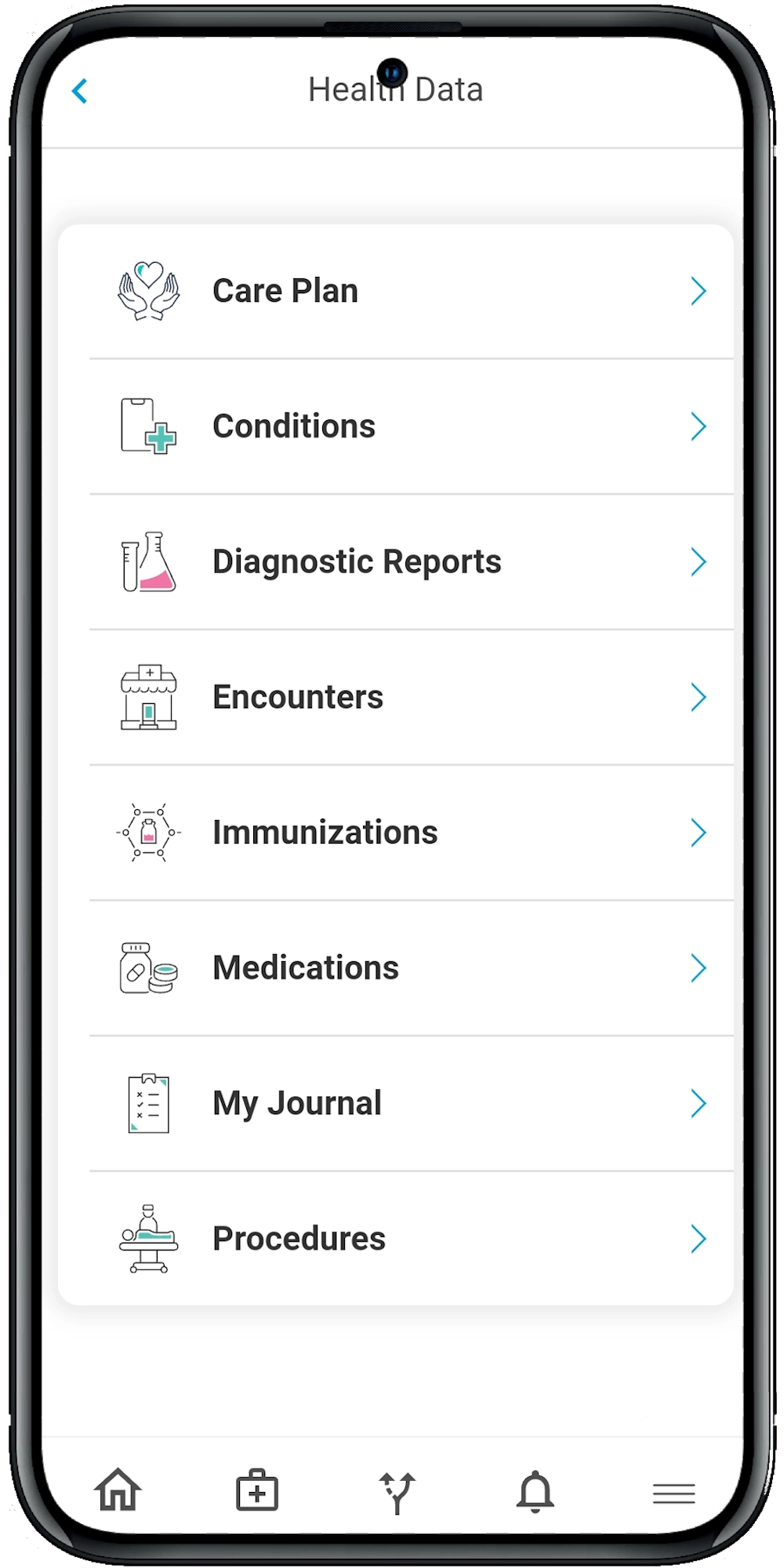
When health data is fragmented across systems, nobody has the full picture. Lab results might be in one portal, imaging reports in another, and the patient’s wearable data is nowhere in sight. That’s risky.
Clinical decisions based on incomplete information lead to repeated tests, missed diagnoses, or gaps in treatment. And patients feel the effects.
3. Clunky Interfaces That Interrupt Care
Let’s face it—some EHRs feel like they were designed by someone who’s never stepped foot in a clinic. Navigating a maze of tabs and checkboxes during a 15-minute visit? That’s a recipe for burnout.
Ambinder’s work in oncology clinics highlights how even in high-tech specialties, poor interface design slows everything down. Instead of helping, the system becomes one more hurdle to jump.
4. Limited Real-Time Integration
Most EHRs only show what happened after a visit. They don’t pull in real-time data from wearables, home monitors, or mobile health apps. In today’s world, that’s like trying to navigate with a paper map while everyone else uses GPS.
5. Low Patient Engagement
Patients want to participate in their care—but most EHRs don’t give them the tools. Accessing records feels like jumping through hoops, and even when they do, the data can be confusing or out of context.
Hoerbst and Ammenwerth pointed out that traditional EHRs ignore one critical user: the patient. That’s a huge miss, especially in a value-based care environment.
6. Security Risks and Compliance Gaps
Healthcare data is a goldmine for hackers. Yet many EHRs still struggle with clear, role-based access and transparent audit trails. That leaves organizations vulnerable—and patients uneasy.
7. High Costs and Poor Scalability
EHRs aren’t cheap. Between licensing, training, and IT support, many systems are out of reach for smaller practices or community health centers. And once installed, they’re often hard to adapt or scale.
What a Seamless Digital Experience Should Really Look Like
When we talk about “seamless,” we don’t just mean fast Wi-Fi or a slick interface. We’re talking about a truly integrated experience that connects people, data, and care decisions across every step of the health journey.
Here’s what that should include:
- Unified Records. One complete view of a patient’s health—no matter where they received care
- Contextual Alerts. Smart notifications that help, not overwhelm
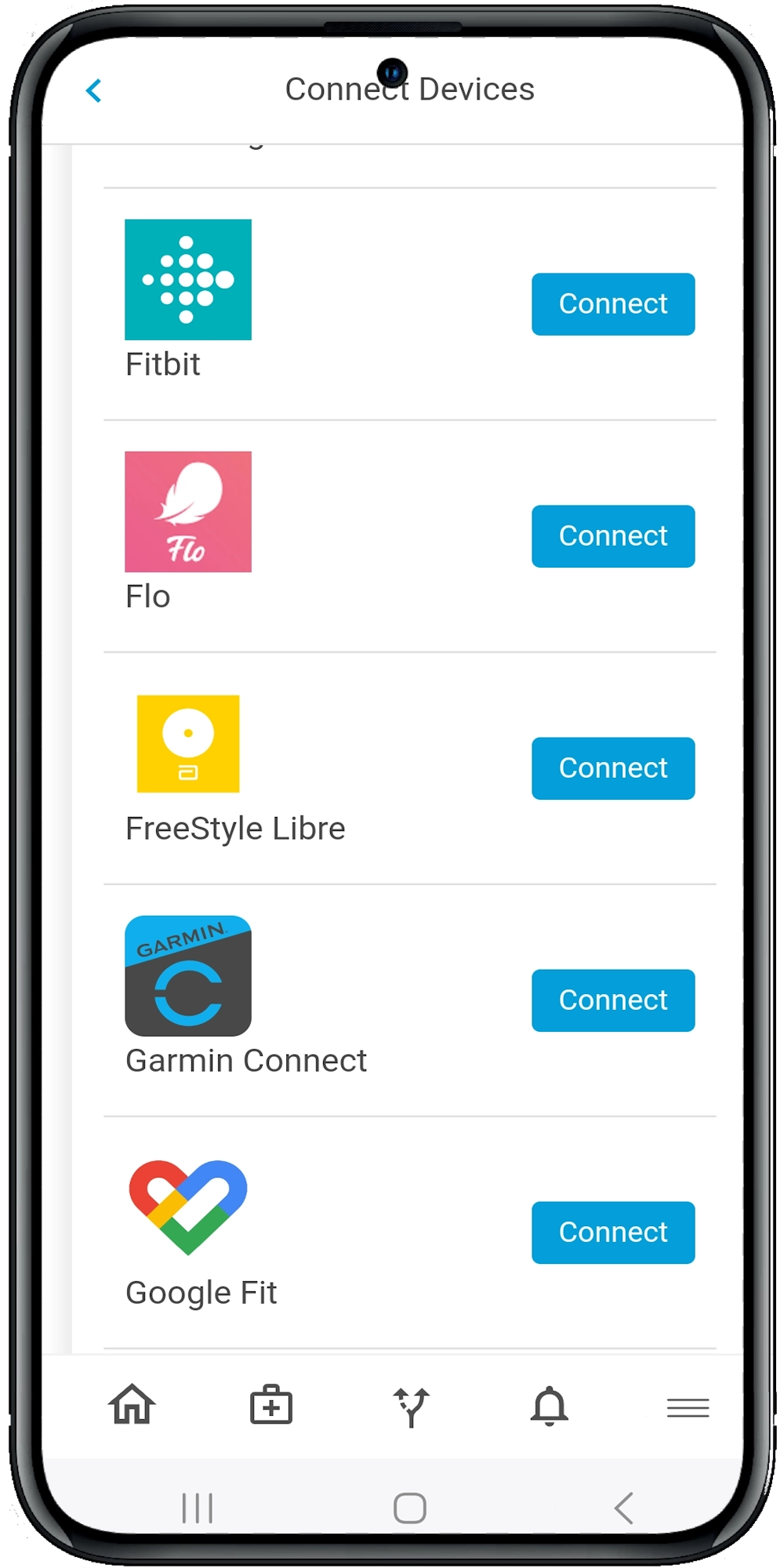
- Real-Time Syncing. Integration with devices, apps, and home monitoring tools
- Bi-Directional Communication. Patients and providers should be able to exchange info effortlessly
- User-Friendly Interfaces. Systems should feel natural, not like a second job
Legacy EHRs weren’t built for this. But modern platforms like Calcium are rewriting the script.
A Glimpse into the Future of Healthcare
The studies are clear: It’s not enough to digitize records—we have to reimagine them. We need systems that think beyond billing codes and start supporting real, meaningful care.
The promise of EHRs was never just about digitizing records—it was about transforming healthcare delivery. Yet too many providers are stuck with systems that create barriers instead of breaking them. It’s time for a new approach—one that puts usability, integration, and people at the center.
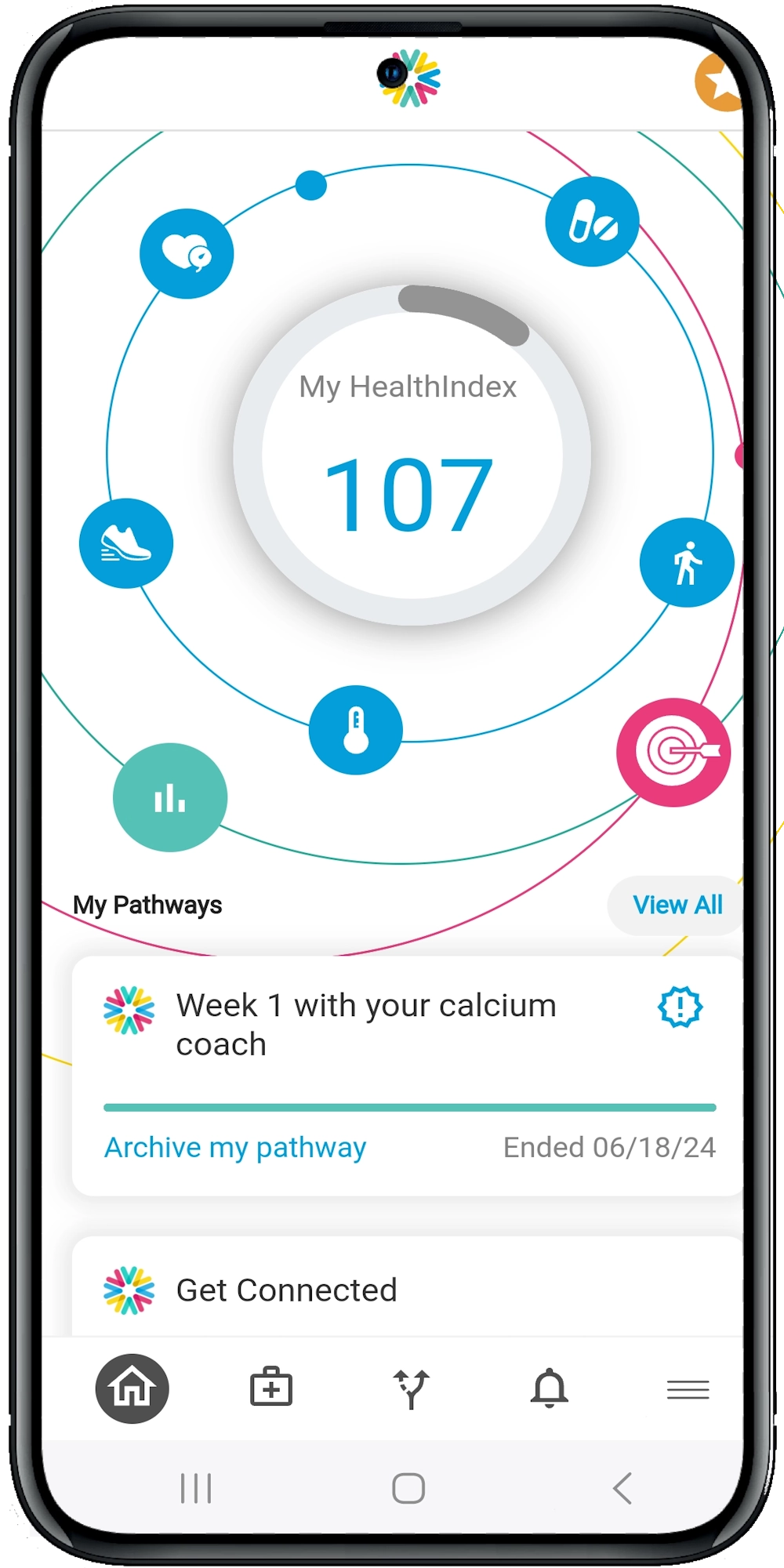
The Calcium digital health platform was built with this future in mind. Whether you’re a clinician juggling complex cases or a patient managing your own care, Calcium helps make your health data work for you. With smart design, real-time insights, and true interoperability, we’re bridging the gap between information and action.
Reference
- Kalra, D. (2006). Electronic Health Record Standards. In R. Haux & C. Kulikowski (Eds.), IMIA Yearbook of Medical Informatics 2006 (pp. 136–144). IMIA and Schattauer GmbH. Retrieved from https://www.schattauer.de.
- Ambinder, E. P. (2005). Oncology Enters the Information Age. Journal of Oncology Practice, 1(2), 57–63. Retrieved from https://www.jopasco.org.
- Hoerbst, A., & Ammenwerth, E. (2010). Electronic Health Records: A Systematic Review on Quality Requirements. Methods of Information in Medicine, 49(4), 1–9. Schattauer GmbH. Retrieved from https://www.schattauer.de.
- Häyrinen, K., Saranto, K., & Nykänen, P. (2008). Definition, structure, content, use and impacts of electronic health records: A review of the research literature. International Journal of Medical Informatics, 77(5), 291–304. Elsevier Ireland Ltd. Retrieved from https://doi.org/10.1016/j.ijmedinf.2007.09.001.
- Safran, C., & Goldberg, H. (2000). Electronic patient records and the impact of the Internet. International Journal of Medical Informatics, 60(1), 77–83. https://doi.org/10.1016/S1386-5056(00)00106-4
- Hassey, A., Gerrett, D., & Wilson, A. (2001). A survey of validity and utility of electronic patient records in a general practice. BMJ, 322(7299), 1401–1405. https://doi.org/10.1136/bmj.322.7299.1401