Turning Passive Patients into Active Partners in Health
Accountable Care Organizations (ACOs) were created to transform how healthcare is delivered—shifting the focus from volume to value. But here’s the reality check: even the most well-intentioned ACO can’t succeed if patients aren’t engaged in their own care. That’s not just a clinical issue—it’s a business one. Without meaningful patient participation, cost savings stall, outcomes plateau, and quality benchmarks go unmet.
So why is engagement still such a struggle? Traditional methods—phone calls, pamphlets, even portals—no longer match the complexity or pace of today’s healthcare landscape. Patients expect digital convenience, real-time support, and personalization that fits their lifestyle. ACOs that fail to meet those expectations are falling behind.
The good news? A new generation of digital tools is changing the game. In this post, we’ll explore what today’s ACO patient engagement tools should look like—and how the right technology can finally turn patient activation into real-world results.
Why Do ACOs Struggle with Patient Engagement?
Accountable Care Organizations (ACOs) are built on a powerful idea—deliver better care, reduce unnecessary costs, and improve the patient experience. But here’s the catch: that only works when patients are actively involved in their health.
The problem? Many ACOs still rely on outdated or fragmented engagement tools that fail to inspire meaningful action.
Think of it like giving someone a fitness tracker but never helping them interpret the data, set goals, or stay motivated. It’s a one-way conversation that leads to disengagement—and that’s bad for both patients and value-based contracts.
So what’s getting in the way? Let’s break down the biggest challenges:
- Many tools show no real improvement in patient-reported outcomes (PROs), especially for chronic disease management (Rodriguez et al., 2019).
- Providers often lack training or understanding of how to use engagement strategies like shared decision-making effectively (Mishra et al., 2018).
- Engagement platforms often don’t integrate well with existing workflows or EHRs, making them hard to adopt.
- Care plans tend to be generic, not personalized, reducing their relevance to the patient.
- There’s usually no easy way to track personal goals or preferences, which are key drivers of motivation.
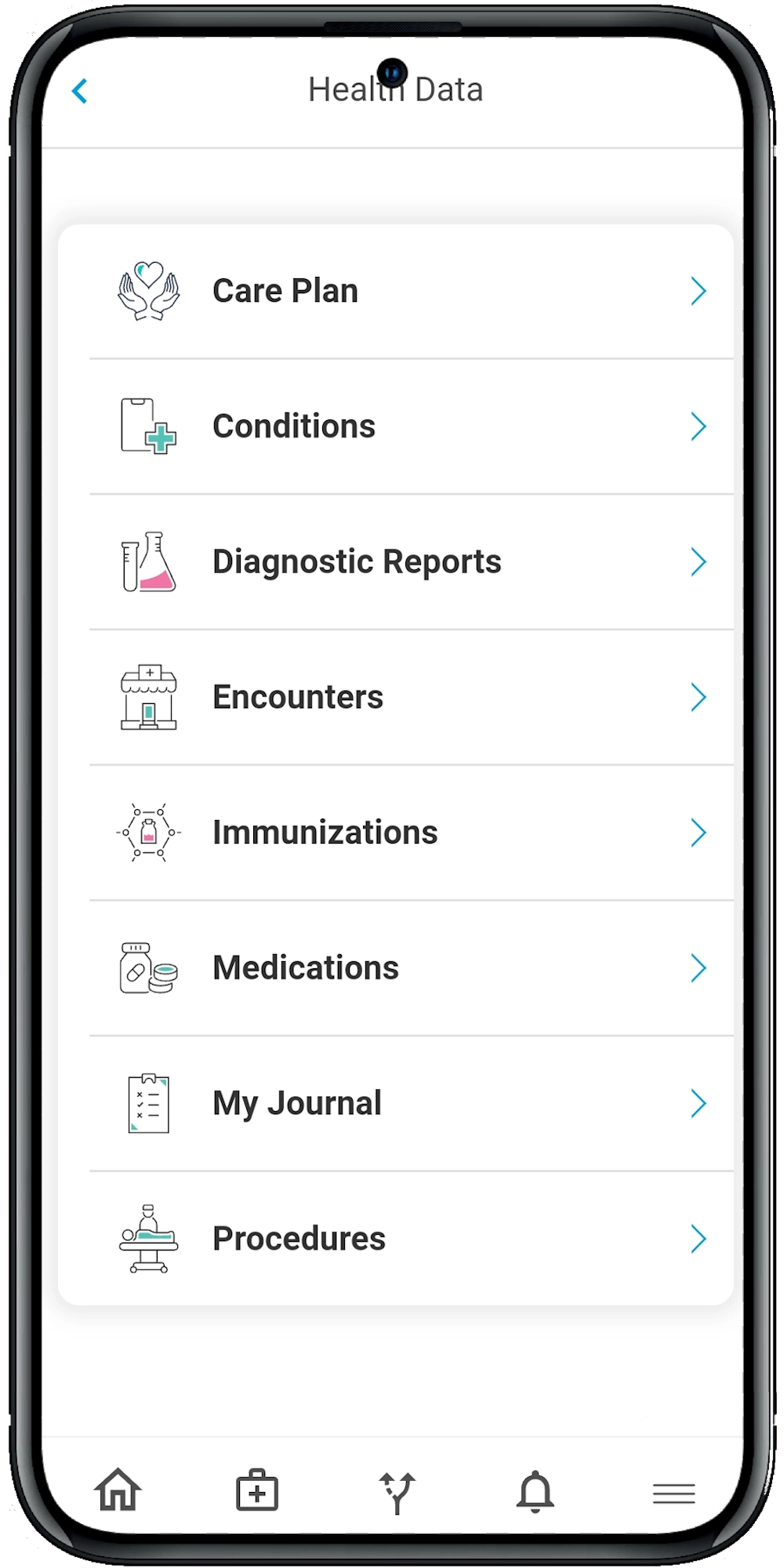
- Health data is scattered across systems, creating gaps in care coordination.
- Few tools provide clear metrics for evaluating engagement success (Dukhanin et al., 2018).
Now that we’ve outlined the roadblocks, let’s look at what modern, effective ACO patient engagement tools should offer—and how they’re changing the game.
What Should Today’s ACO Patient Engagement Tools Actually Do?
A new generation of engagement tools is stepping up, but not all platforms are created equal. The best tools don’t just remind patients to show up—they inspire them to take action, track their progress, and feel supported along the way.
Here’s what ACO patient engagement tools need to deliver in order to actually make a difference:
1. Personalized, Adaptive Care Plans
Patients aren’t all the same, and their care plans shouldn’t be either. Tools should use clinical data, patient preferences, and behavioral inputs to tailor content and engagement strategies. Whether a patient has diabetes, depression, or both, the engagement plan should evolve as they do.
Why it matters: Patients with higher “activation” levels consistently report better health outcomes. Tools that adapt to the patient’s stage of change can help lift activation levels and promote long-term behavior change (Shortell et al., 2017).
2. Real-Time Two-Way Communication
It’s not enough to push information. Patients need a channel to respond, ask questions, or report symptoms in real time. The best tools offer secure chat, check-ins, and automated feedback loops to keep care teams in the loop without increasing provider burden.
Think of it like a digital conversation—not a lecture.
3. Integration With Existing Systems
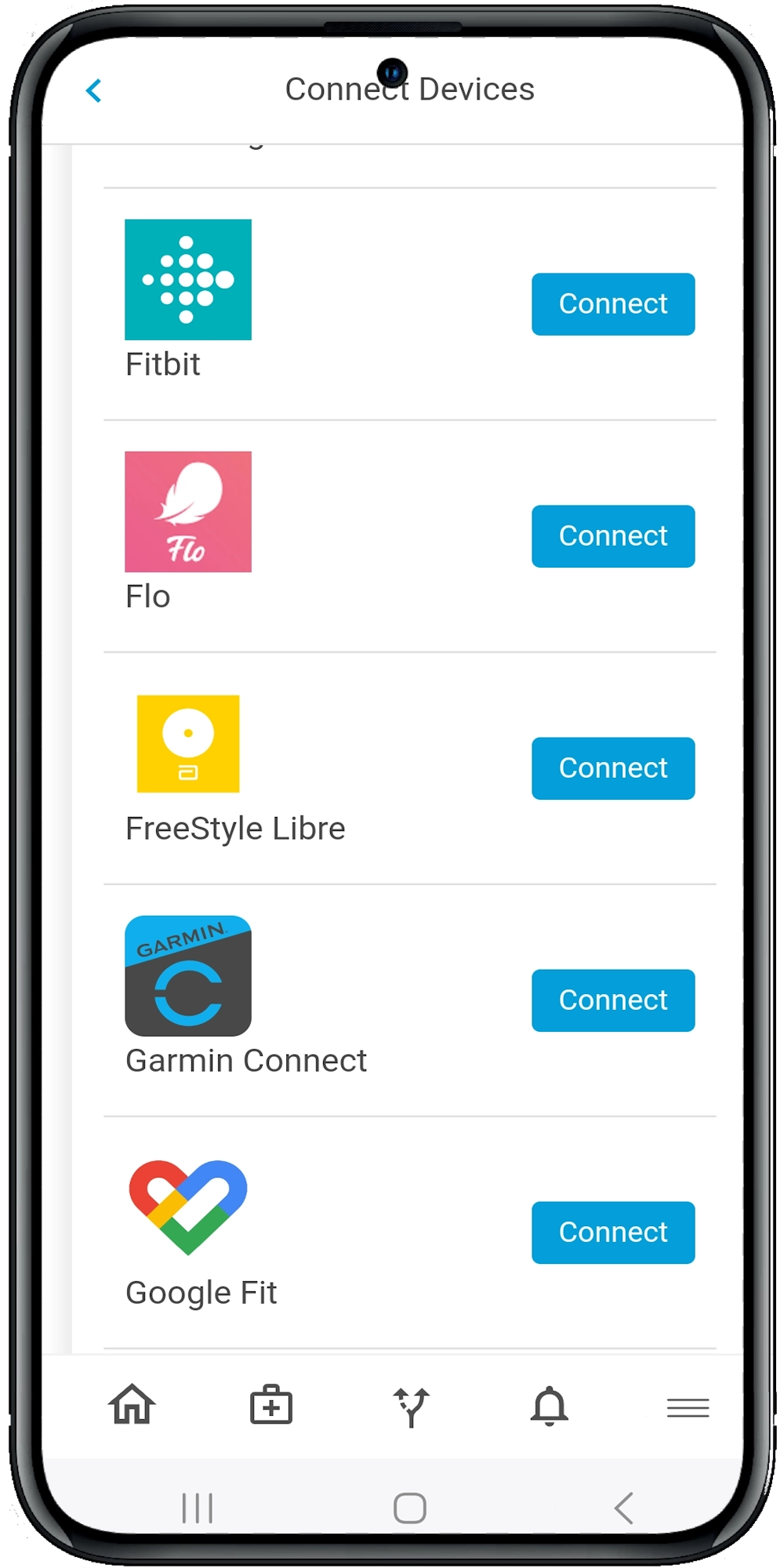
If an engagement tool lives in a silo, it becomes another “thing to check.” Today’s best ACO patient engagement tools integrate with EHRs, wearable devices, and health apps, pulling data into one central hub. This creates a complete view of the patient’s health journey.
4. Tracking Goals, Symptoms, and Preferences
Effective engagement tools go beyond vital signs. They help patients log symptoms, track goals (like walking 10,000 steps or reducing anxiety), and reflect on their experiences through journals or surveys. Providers can then use this data to adjust care plans meaningfully.
5. Support for Behavioral and Preventive Health
Physical health is only part of the equation. Leading tools also address mental health, stress, nutrition, sleep, and other lifestyle factors. This “whole-person” approach helps prevent health issues before they escalate and keeps patients feeling supported.
6. Actionable Analytics for Providers
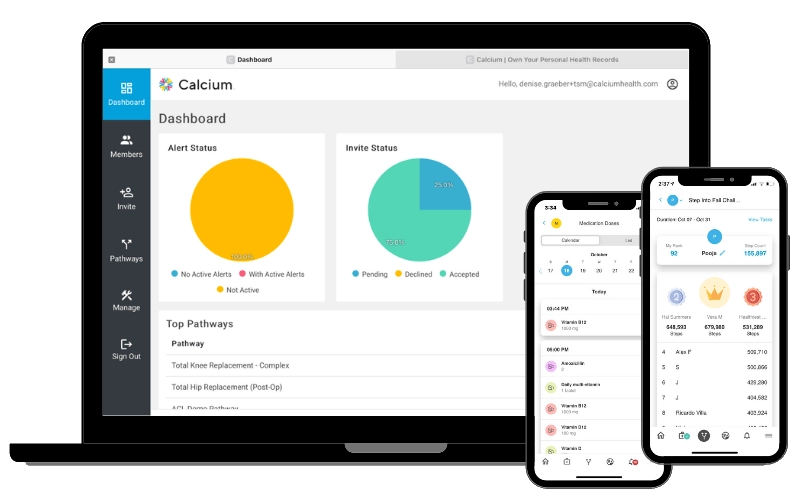
For ACOs to meet performance metrics, they need to know who’s engaging, who’s falling off, and where the gaps are. The right tools offer dashboards that display pathway completion, engagement trends, and risk alerts—all without needing a team of analysts.
7. Scalability Across Populations
Finally, engagement tools must scale across populations—from high-risk chronic care patients to those just starting a wellness journey. That means being flexible, mobile-friendly, and easy to use regardless of age or tech comfort level.
The Calcium Advantage: Tools That Drive Real ACO Engagement
Now that we’ve outlined what’s needed, let’s look at how Calcium’s Digital Health Platform brings these capabilities to life.
Unlike static apps or one-dimensional portals, Calcium delivers a full-featured, dynamic suite of ACO patient engagement tools that address today’s real-world needs.
Here’s how:
1. Guided Digital Pathways with Personalization
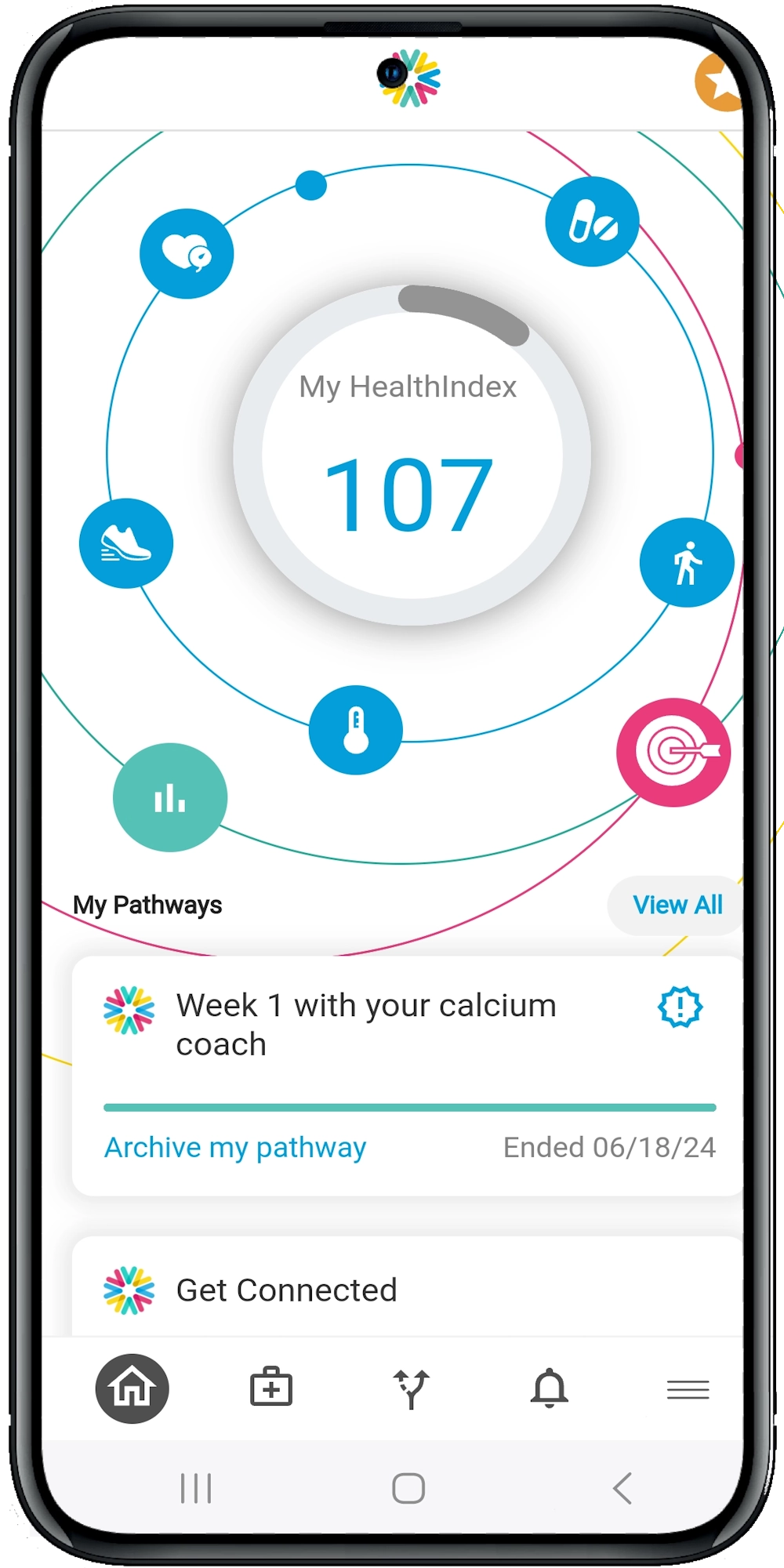
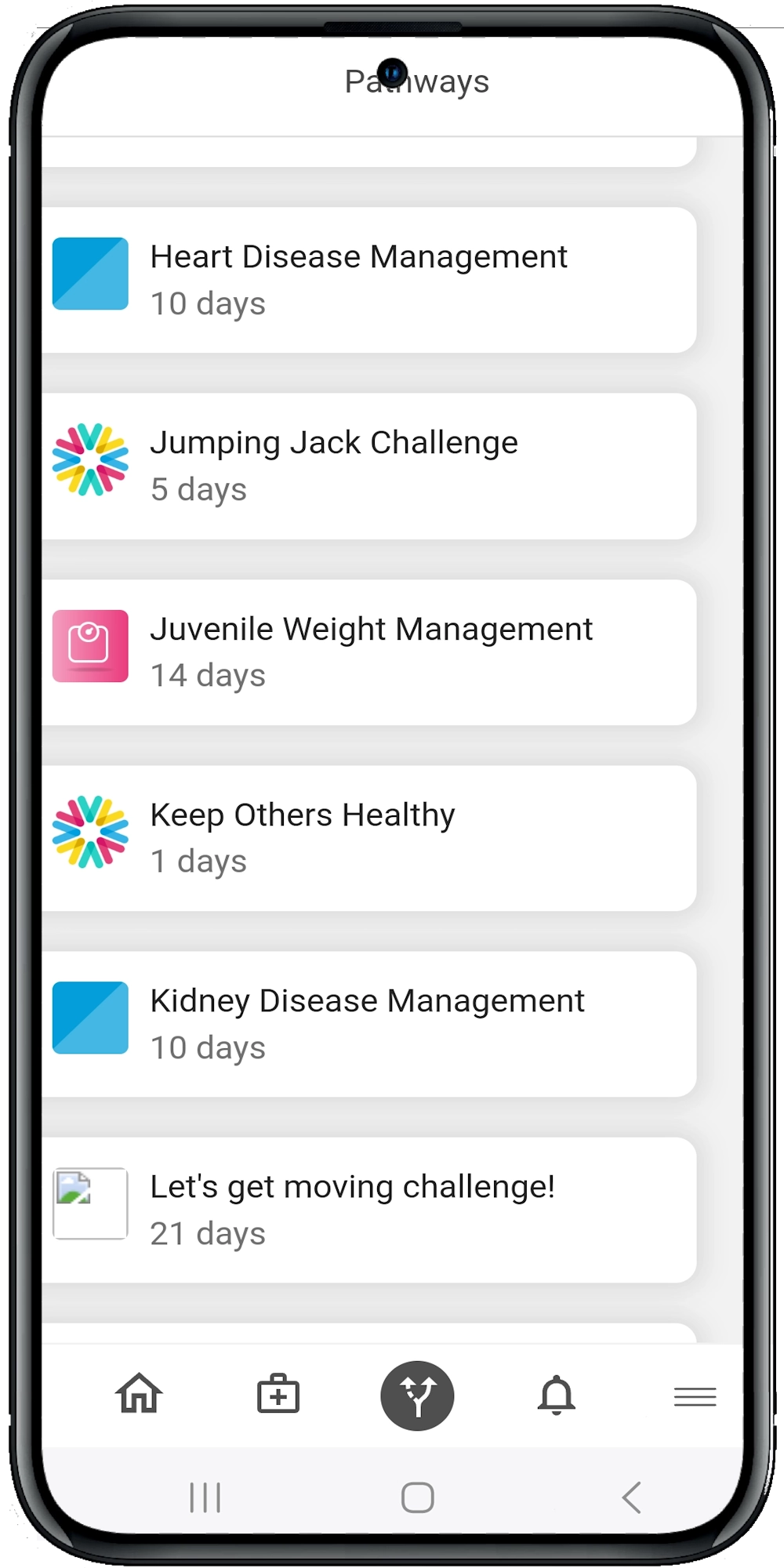
At the center of Calcium’s Super App are digital health pathways—interactive, step-by-step care journeys built for everything from post-op recovery to chronic condition management. These aren’t generic instructions. They’re personalized, adaptive guides that evolve based on user input, biometric data, and health goals.
For example, a patient managing hypertension might receive:
- Daily medication reminders
- Lifestyle tips based on recent blood pressure readings
- Motivational messages tied to their personal goals (like walking grandkids to school)
This approach keeps engagement relevant and personal—two things most ACO tools miss.
2. AI-Powered Feedback and Adjustments
Calcium’s built-in AI monitors patient activity, pathway progress, and reported symptoms in real time. When something changes—like increased stress levels or missed medications—the system updates the care plan accordingly.
Think of it like Waze for health: constantly rerouting based on new information, keeping patients on track toward their goals.
3. Unified Platform for Patients and Providers
On the back end, Calcium Core allows care teams to:
- Assign or recommend pathways
- Monitor real-time compliance and engagement
- Securely chat with patients
- View data from wearables, health journals, and symptom checkers in one place
This all-in-one design replaces the need to jump between portals and makes coordination easier—especially in team-based ACO environments.
4. Built-In Behavioral Health and Preventive Care Support
Calcium’s pathway library isn’t just for physical health. It includes modules for:
- Stress management and mindfulness
- Depression and ADHD support
- Weight loss and healthy eating
- Sleep tracking and optimization
- Family and caregiver health management
These tools address the root causes of disengagement and bring behavioral health into the fold—a key advantage for ACOs working with high-risk or underserved populations.
5. Engagement Tracking and Metrics That Matter
Calcium doesn’t leave ACOs guessing. The platform includes engagement dashboards that show:
- Pathway enrollment and completion rates
- User-reported barriers and success factors
- Activation trends over time
- Alerts for patients at risk of disengaging
These insights make it easier to refine care strategies and demonstrate success in value-based contracts (Dukhanin et al., 2018).
6. Easy Onboarding and Broad Access
Calcium is designed for flexibility. Patients can self-enroll, be invited by providers, or access pathways through employer wellness programs. The app works across mobile and web, is available in multiple languages, and requires no special training to use.
That means more patients can participate—especially those who might otherwise fall through the cracks.
The Wrap
Patient engagement isn’t a nice-to-have—it’s the lifeblood of successful ACO performance. The right tools don’t just check regulatory boxes; they build real relationships, drive healthier behaviors, and help care teams do more with less. As ACOs continue navigating the pressures of value-based care, digital innovation will separate the leaders from the laggards.
Calcium’s digital health platform was built for this moment. With personalized care pathways, real-time engagement insights, and seamless integration across teams and systems, it’s everything ACOs need to turn patient participation into measurable outcomes.
Reference
- Shortell, S. M., Poon, B. Y., Ramsay, P. P., Rodriguez, H. P., Ivey, S. L., Huber, T., Rich, J., & Summerfelt, T. (2017). A Multilevel Analysis of Patient Engagement and Patient-Reported Outcomes in Primary Care Practices of Accountable Care Organizations. Journal of General Internal Medicine, 32(6), 640–647. https://doi.org/10.1007/s11606-016-3980-z
- Dukhanin, V., Topazian, R., & DeCamp, M. (2018). Metrics and Evaluation Tools for Patient Engagement in Healthcare Organization- and System-Level DecisionMaking: A Systematic Review. International Journal of Health Policy and Management, 7(10), 889–903. https://doi.org/10.15171/ijhpm.2018.43
- Mishra, M. K., Saunders, C. H., Rodriguez, H. P., Shortell, S. M., Fisher, E., & Elwyn, G. (2018). How do healthcare professionals working in accountable care organisations understand patient activation and engagement? Qualitative interviews across two time points. BMJ Open, 8(10), e023068. https://doi.org/10.1136/bmjopen-2018-023068
- RODRIGUEZ, H. P., POON, B. Y., WANG, E., & SHORTELL, S. M. (2019). Linking Practice Adoption of Patient Engagement Strategies and Relational Coordination to Patient‐Reported Outcomes in Accountable Care Organizations. The Milbank Quarterly, 97(3), 692–735. https://doi.org/10.1111/1468-0009.12400