Powering Better Care Through Smarter Technology
Accountable care was supposed to revolutionize healthcare—shift the focus from volume to value, from sick care to real care. But for many organizations, the reality hasn’t matched the promise. Why? Because legacy systems, fragmented data, and manual processes were never built to support the complexity of modern population health.
Now, as providers take on more financial risk and patient expectations grow, the cracks are widening. Efficiency alone isn’t enough—and neither is technology that simply digitizes outdated workflows.
What today’s accountable care solutions need is a smarter, faster, more connected approach—one that puts real-time insights, automation, and personalized support at the center of care delivery. This is where digital-first platforms come in. And it’s why the future of accountable care isn’t just about better strategy—it’s about better tools.
So what does a true digital-first accountable care solution look like? Let’s explore.
Why Traditional ACOs Struggle—and How Digital-First Models Fill the Gap
Accountable care solutions are meant to connect the dots in healthcare—linking outcomes to incentives, patients to providers, and care plans to actual results. But let’s be honest: while the concept is sound, the execution has been rocky. Why? Because many ACOs and value-based programs are still trying to manage 21st-century healthcare with 20th-century tools.
Let’s break down the major hurdles accountable care organizations face and how a digital-first platform can help overcome them, one pathway at a time.
1. Fragmented Data Means Fragmented Care
One of the most common problems with traditional accountable care solutions? Data is everywhere—locked in EHRs, floating in patient portals, buried in Excel sheets—but none of it talks to each other. And without a unified view of the patient, ACOs struggle to deliver coordinated, high-quality care.
That’s a big issue when your funding depends on outcomes.
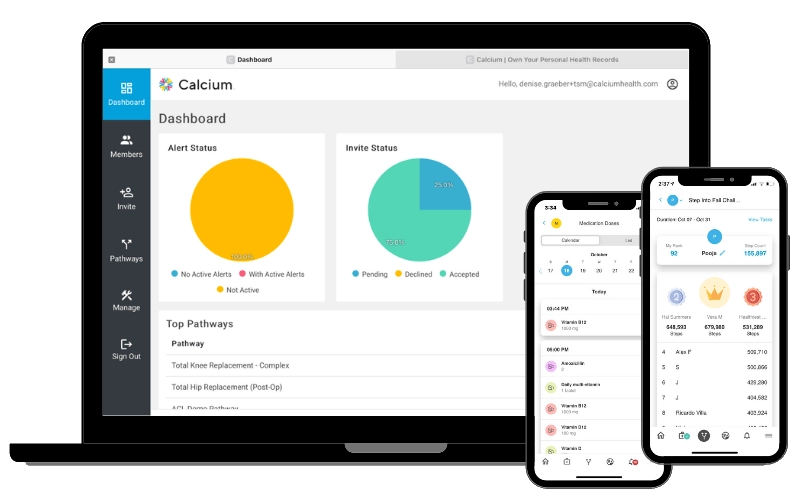
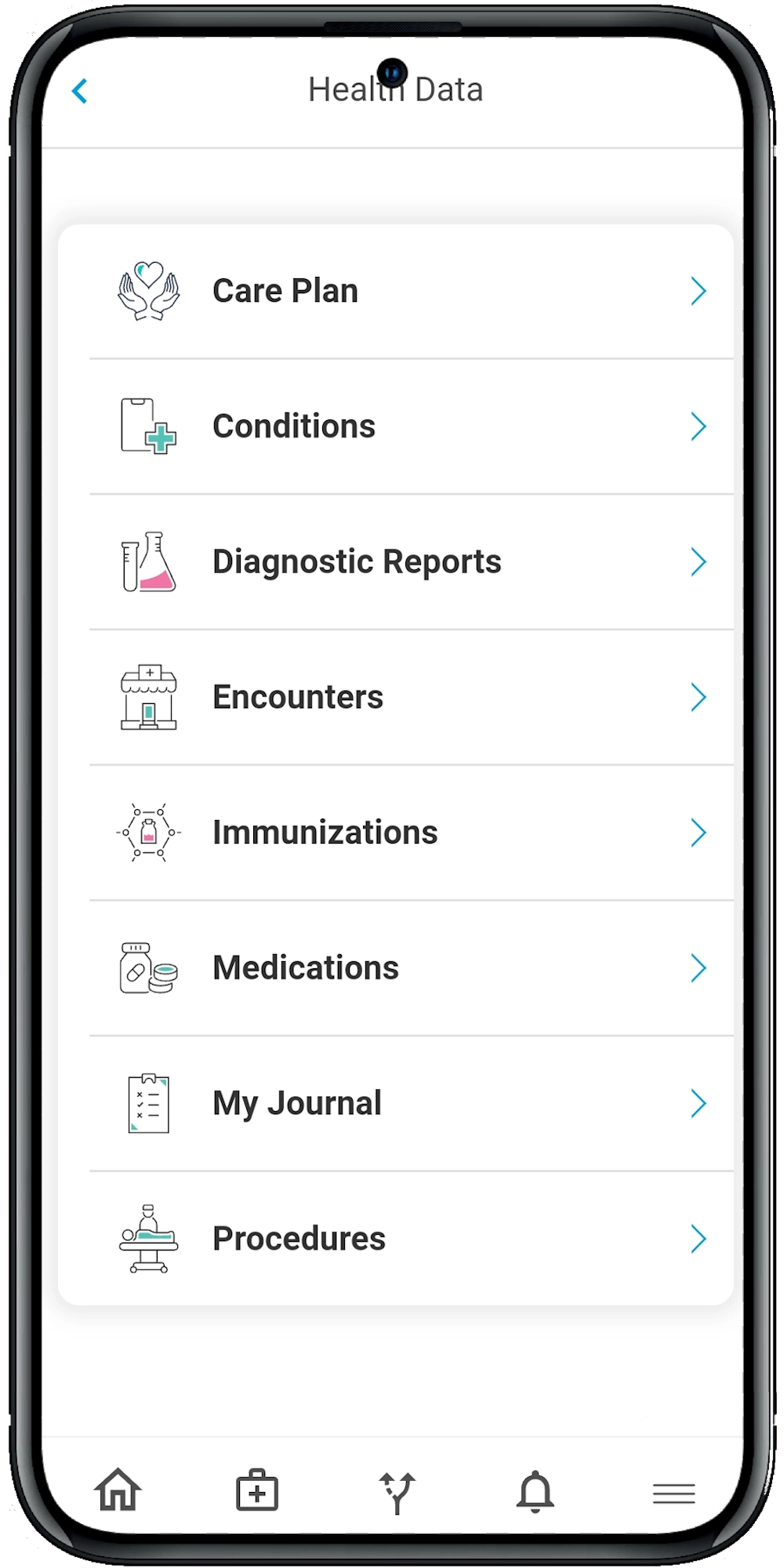
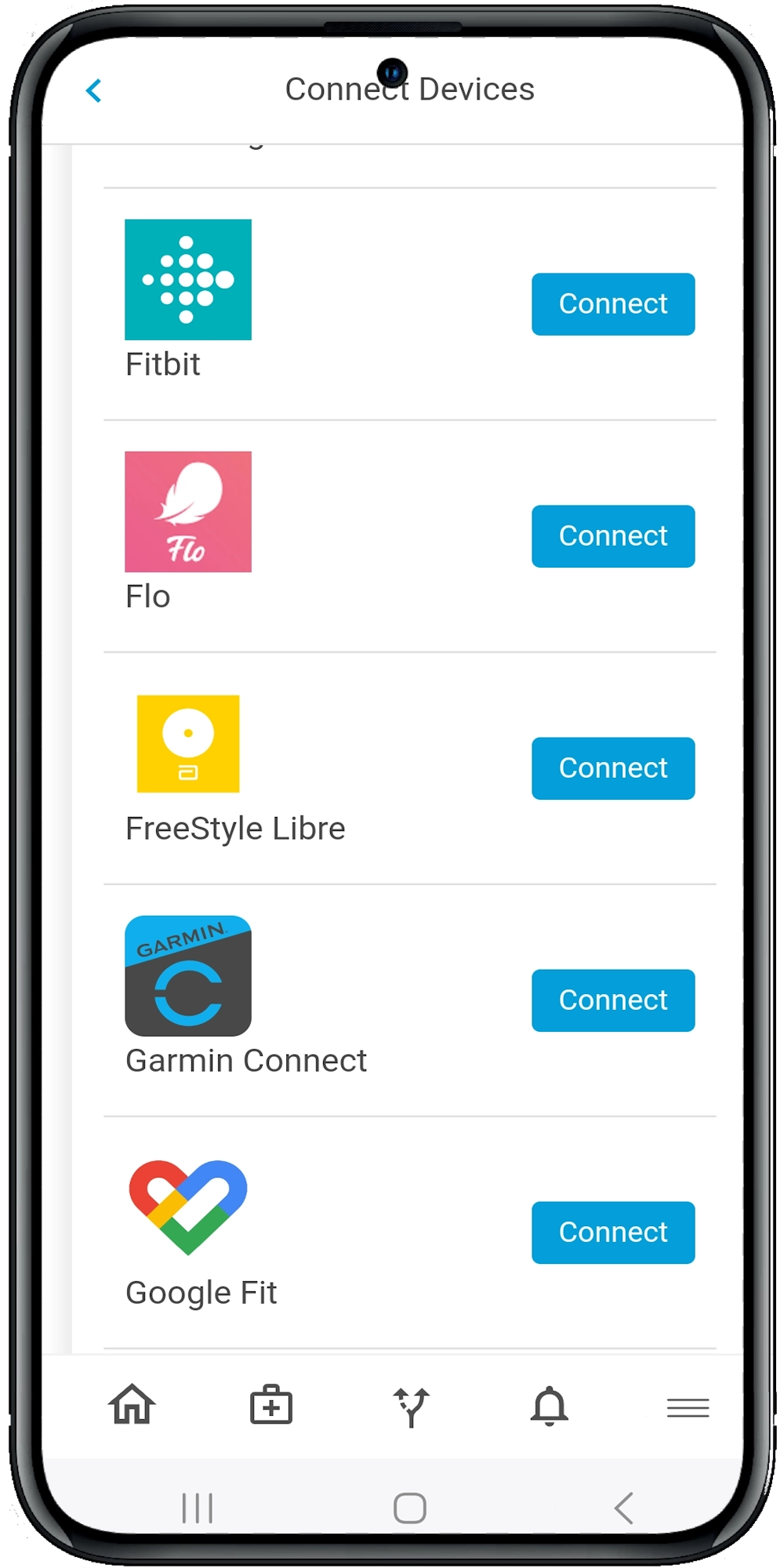
Digital health pathways solve this by aggregating data from across systems—everything from vitals to medications, lab results to wearable device data. Think of it as your health system’s control center—where every patient’s story finally comes together in one place.
2. Real-Time Monitoring is Still Rare
Most care models operate in the rearview mirror. By the time a provider notices something’s wrong—high blood pressure, missed meds, worsening symptoms—it’s already led to an ER visit or worse.
That’s not proactive care. That’s expensive catch-up.
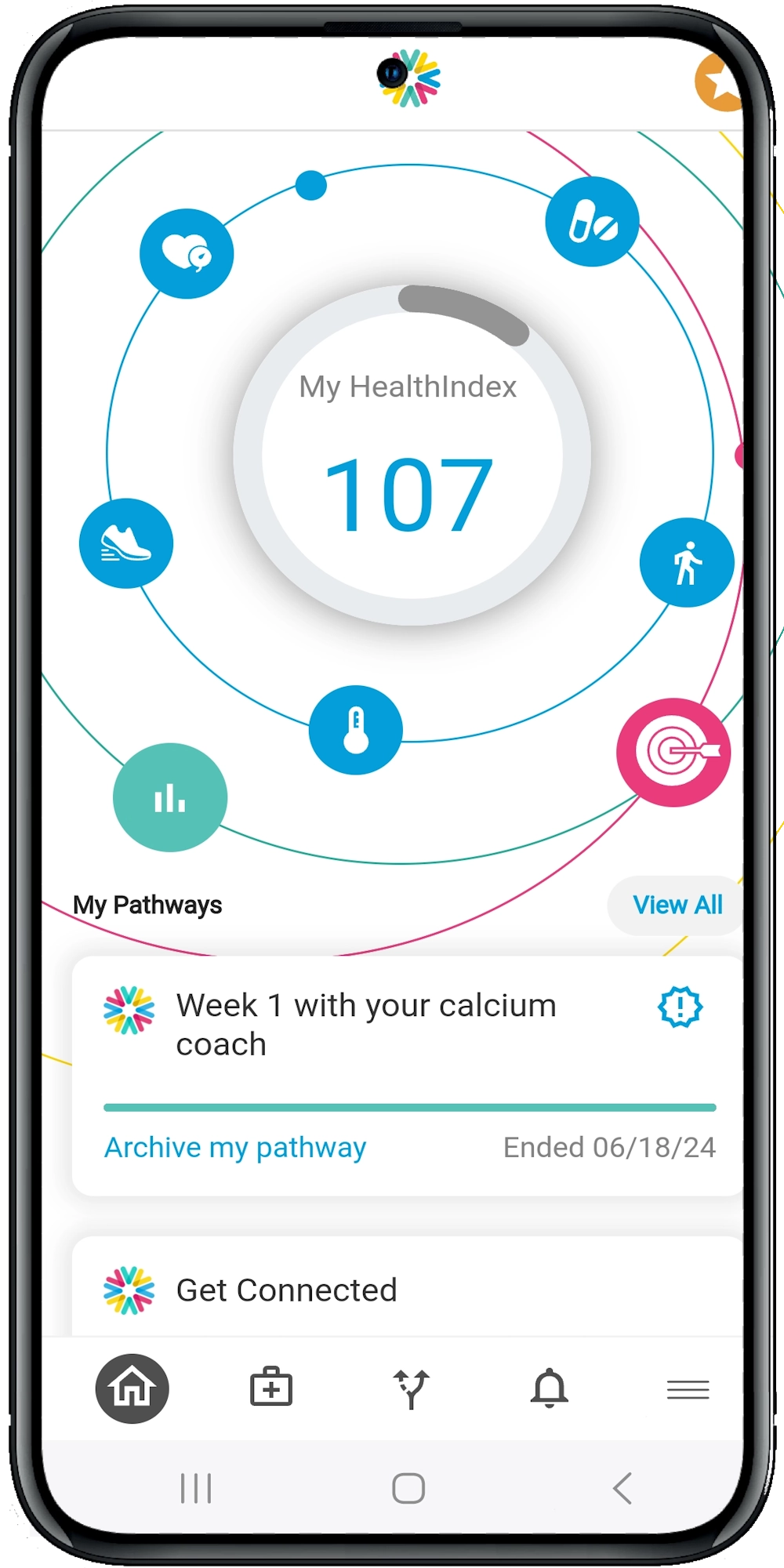
With digital-first models, patients are continuously monitored via app-connected devices and daily check-ins. The app nudges patients to record their vitals, update symptoms, and complete small tasks. It’s like having a 24/7 health coach in your pocket.
And when something’s off? The platform sends real-time alerts to care teams or family members. That kind of visibility helps providers catch red flags before they become emergencies (Anghel et al., 2025).
3. Patients Tune Out Without Personalization
Here’s the thing about engagement: it’s not about pushing more messages. It’s about saying the right thing, at the right time, in the right way.
Interestingly, research shows that simple, generic reminders can sometimes work better than highly personalized ones—mainly because they feel less intrusive or overwhelming (Ghose et al., 2021). Digital health pathways strike that balance with friendly nudges, gamified goals, and visual progress bars—motivating patients without micromanaging them.
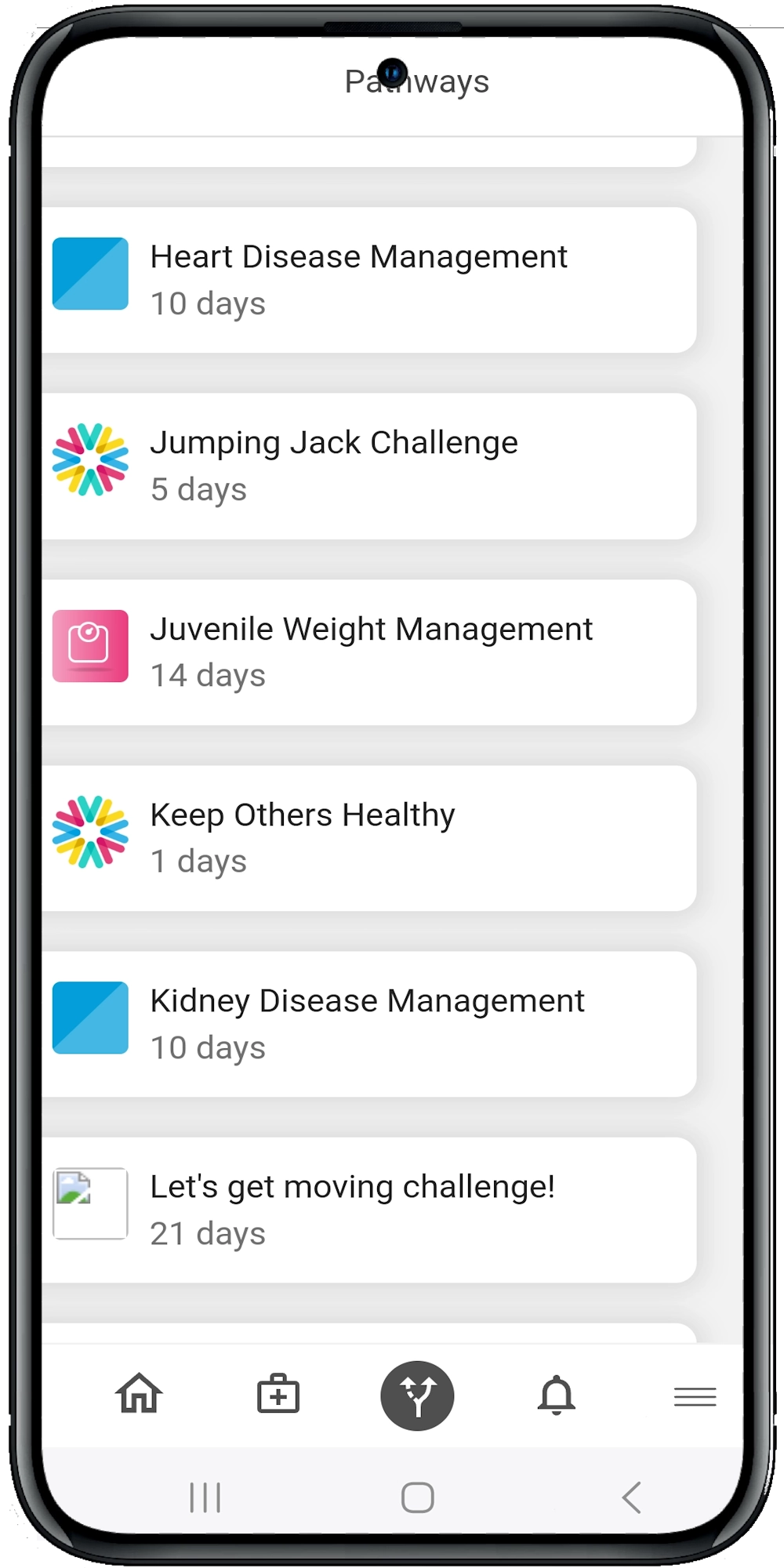
Plus, patients can self-enroll in pathways based on their own goals—weight loss, post-op recovery, mental health. When people have control over their journey, they’re more likely to stick with it.
4. Care Coordination is Still a Manual Grind
Coordinating care across PCPs, specialists, therapists, home health, and pharmacies can feel like herding cats. ACOs lose time and money trying to track down updates, send faxes, schedule calls, and document everything.
Calcium cuts the noise.
With AI-enabled care platforms, providers can automate digital health pathways—assigning step-by-step care plans to specific patient cohorts. A nurse case manager can oversee hundreds of patients at once, tracking adherence and reaching out only when needed. That’s how digital-first care models scale quality—without burning out your team (Periáñez et al., 2024).
5. Transitional Care is Often a Black Hole
Discharge isn’t the end of care—it’s just the beginning of a high-risk period.
But far too often, patients leave the hospital with a pile of papers and zero support. It’s no surprise that nearly 1 in 4 heart failure patients are readmitted within 30 days (Anghel et al., 2025). That’s not just a statistic—it’s a sign that many accountable care solutions aren’t closing the loop after hospitalization.
That’s where Calcium shines. The platform guides patients through custom pre-op and post-op pathways—reminders, vitals monitoring, wound care instructions, even medication tracking. Providers can monitor progress remotely and intervene before minor setbacks become major complications.
The result? Fewer readmissions, smoother recoveries, and more confident patients.
6. Equity Gaps Undermine the Whole System
If your traditional accountable care solutions only work for tech-savvy users with new smartphones and high health literacy, it’s not a real solution.
Many underserved patients—particularly those in Medicaid, rural, or low-income populations—struggle with access, trust, and digital fluency. In fact, studies show that people with lower education and digital skills are far less likely to use online patient portals (Neves & Burgers, 2022).
Digital-first models address this with mobile-first, multilingual platforms that don’t require a referral to get started. Users can enroll themselves, or be onboarded by providers, employers, or family caregivers. Pathways use plain language, visuals, and simple reminders to keep things clear and actionable.
No one should be left out of accountable care because of a digital divide.
7. Quality Reporting Shouldn’t Be a Nightmare
Ask any ACO leader what keeps them up at night, and you’ll hear about quality metrics. HEDIS. STAR ratings. MIPS. It’s a never-ending alphabet soup of documentation and compliance.
Calcium—a digital-first model—brings order to this chaos.
It tracks quality measures in real time—medication adherence, care plan completion, patient-reported outcomes—then packages them into clean dashboards for internal teams and external payers. No more pulling data from 12 systems. No more guessing at gaps in care (Periáñez et al., 2024).
It’s not just compliance. It’s clarity.
Integrating Behavioral Care Through One Platform
Behavioral health is no longer optional—it’s essential to any modern accountable care solution. Yet many systems still treat mental health as separate from physical care.
Digital health pathways bridge that gap by including support for anxiety, depression, ADHD, sleep, addiction, and stress management. These programs use journaling, symptom check-ins, cognitive behavioral techniques, and motivational messaging to help users stay grounded and supported.
By integrating behavioral and physical health into one app, Calcium makes it easier for ACOs to manage whole-person care—improving quality of life while reducing long-term costs (Neves & Burgers, 2022).
Empowering Accountable Care with Calcium’s Digital Platform
Research confirms it—mobile health tools, paired with AI and real-time monitoring, improve outcomes and cut costs. But most platforms stop at the basics. Calcium goes further, delivering a digital-first experience designed for today’s accountable care demands.
From unified patient data and AI-powered care pathways to real-time quality tracking and behavioral health integration, Calcium helps ACOs move beyond documentation to action. It empowers teams to scale outreach, automate follow-ups, and support patients holistically—wherever they are.
It’s not just about better tech—it’s about smarter, more human care. Whether you’re reducing readmissions in Miami, engaging Medicaid patients in Detroit, or managing risk in rural Kansas, Calcium makes accountable care practical, personal, and scalable.
Because outcomes aren’t improved by metrics alone. They’re driven by connection, and Calcium is the digital-first platform that brings it all together
The Wrap
The future of value-based care won’t be built on spreadsheets, siloed systems, or outdated workflows. It will be led by organizations that embrace digital-first accountable care solutions—platforms that simplify complexity, scale human touch, and put actionable insights into the hands of those who need them most. From managing chronic conditions to coordinating post-acute care and improving behavioral health access, the right technology can turn your care model into a true engine for outcomes and efficiency.
Calcium’s digital health platform is built for this moment. With tools that unify data, automate pathways, and engage patients like never before, we’re helping ACOs, health systems, and care teams across the country make value-based care not just possible—but practical.
Reference
Anghel, I., Cioara, T., Bevilacqua, R., Barbarossa, F., Grimstad, T., Hellman, R., Solberg, A., Boye, L. T., Anchidin, O., Nemes, A., & Gabrielsen, C. (2025). New care pathways for supporting transitional care from hospitals to home using AI and personalized digital assistance. ArXiv.org. https://arxiv.org/abs/2504.13877
Periáñez, Á., Río, del, Nazarov, I., Jané, E., Hassan, M., Rastogi, A., & Tang, D. (2024). The Digital Transformation in Health: How AI Can Improve the Performance of Health Systems. ArXiv.org. https://arxiv.org/abs/2409.16098
Ghose, A., Guo, X., Li, B., & Dang, Y. (2021). Empowering Patients Using Smart Mobile Health Platforms: Evidence From A Randomized Field Experiment. ArXiv:2102.05506 [Cs, Econ, Q-Fin]. https://arxiv.org/abs/2102.05506
Neves, A. L., & Burgers, J. (2022). Digital technologies in primary care: Implications for patient care and future research. The European Journal of General Practice, 28(1), 203–208. https://doi.org/10.1080/13814788.2022.2052041