Practical Solutions to Help Independent Practices Thrive in a Changing Healthcare Landscape
Value-based care is clearly the future (and present) of healthcare reimbursement and delivery. But for small and mid-size practices, it can feel like a future that only large systems are equipped to handle.
The truth? These smaller organizations are not only capable of succeeding under value-based models, they’re essential to making it work. The challenge lies in how to make the shift without drowning in complexity, losing productivity or burning out your already stretched team.
That’s why it’s so important to focus on realistic, step-by-step strategies that fit your size, budget and staff. You don’t need a massive transformation to start seeing results, you just need the right tools and a focused plan. Let’s unpack the actionable strategies that can help you break through the barriers and finally make value-based care work for your practice.
Know the Barriers Before You Break Them
Value-based care is a powerful concept but when you’re a small or mid-size practice, it can also feel like an uphill battle. You’re already stretched thin managing day-to-day operations, let alone tracking dozens of metrics and reporting to multiple payers.
Before jumping into solutions, it helps to understand the most common hurdles smaller practices face in implementing VBC:
- Limited access to capital and tech infrastructure
- Staff burnout and administrative overload
- Fragmented patient data and outcome tracking
- Low digital engagement from patients
- Lack of care coordination across roles
- Difficulty integrating behavioral health
- Uncertainty about risk-sharing contracts and reimbursement
Sound familiar? You’re not alone. But the good news is, you don’t need to solve everything at once. You can start small, stay focused and still make a big impact.
Strategy 1: Start Small and Aim Smart
If you’re thinking, “We don’t have the resources to go all in,” you’re right at least not all at once. The smartest move? Start where you can create visible results fast.
Choose one condition or population with:
- High costs
- Frequent touchpoints
- Clear, measurable goals
Diabetes, COPD, and post-discharge follow-ups are great places to begin. You’ll be able to demonstrate outcomes, improve patient satisfaction and build staff confidence.
Strategy 2: Automate the Admin, Let Tech Do the Heavy Lifting
Documentation and reporting shouldn’t take hours out of your clinical day. You need tools that automate repetitive tasks, track outcomes in real time and make care planning simpler, not harder.
Here’s what smart digital platforms should help you do:
- Automatically assign care pathways based on diagnosis or risk level
- Track vitals, labs and engagement in real time
- Deliver reports aligned to MIPS, HEDIS, or custom payer metrics
- Centralize communication between staff and patients
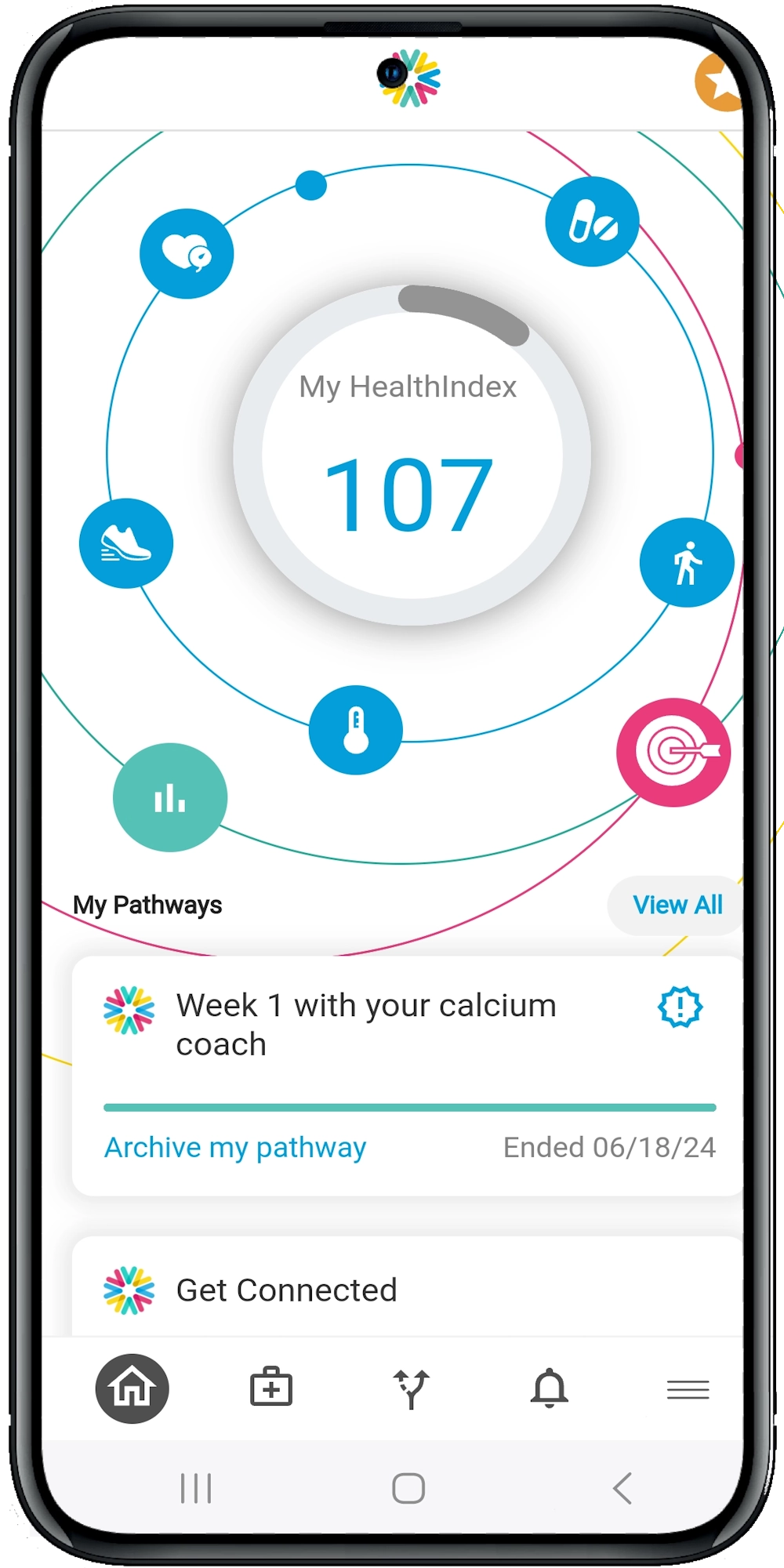
Platforms like Calcium were designed for practices like yours no bloated systems, no steep learning curve, just a clean interface that helps you stay ahead of gaps in care.
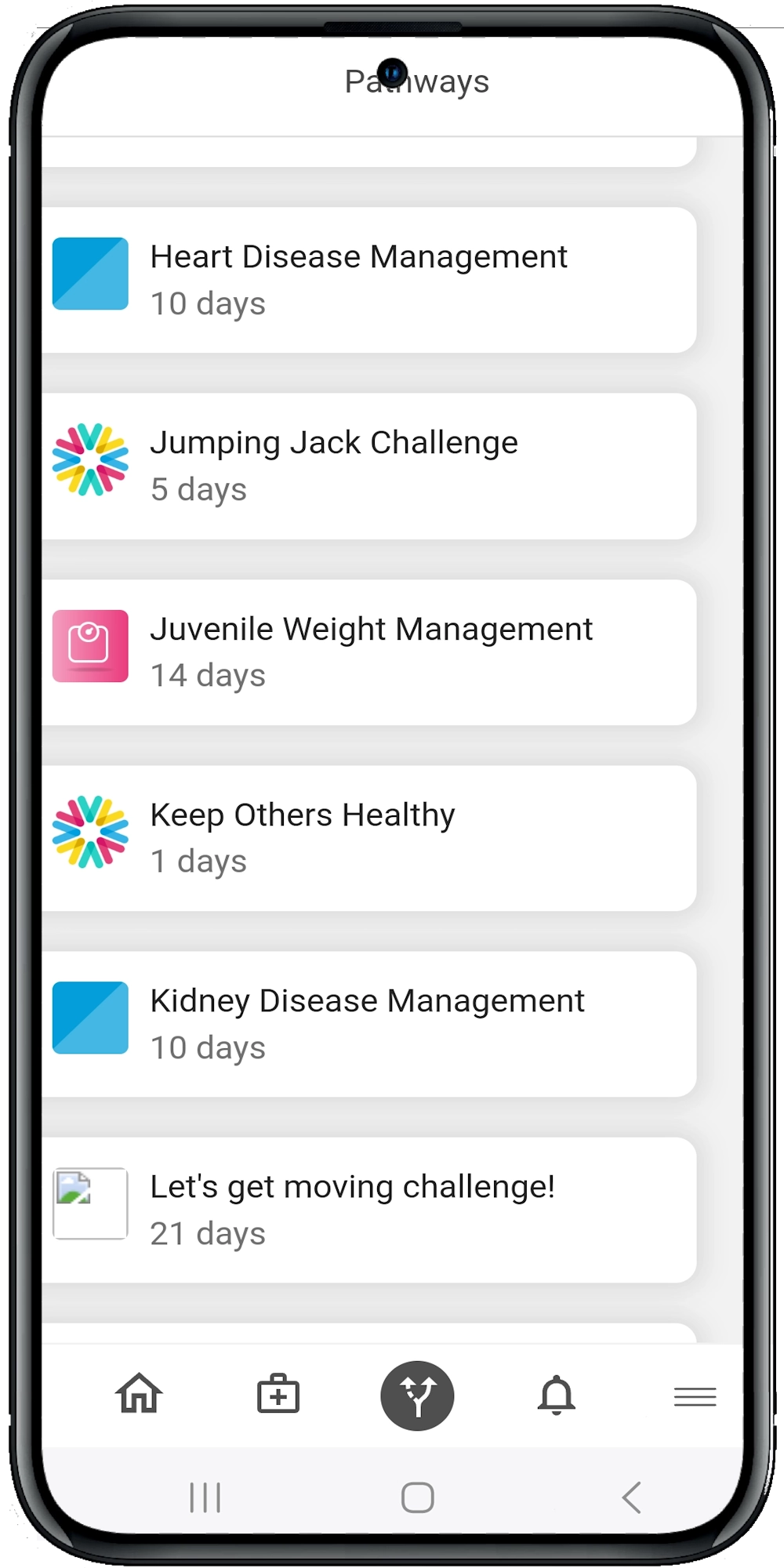
Strategy 3: Standardize with Digital Care Pathways
Consistency is key when managing chronic conditions or preventive care across a busy schedule. That’s where digital care pathways shine.
Instead of reinventing the wheel for every patient, your team can follow structured plans that lay out:
- Clinical goals
- Patient tasks (e.g., track symptoms, watch educational videos)
- Follow-up frequency
- Behavioral health screenings
- Escalation steps if progress stalls
This ensures continuity across team members and keeps the patient experience consistent. You’ll be surprised how much smoother care becomes when everyone is looking at the same playbook.
Strategy 4: Boost Engagement with Mobile-First Tools
Let’s face it—most patients aren’t logging into portals regularly. But they are on their phones. If you want to close care gaps, reduce no-shows and support adherence, meeting patients where they already are is critical.
A mobile-first strategy includes:
- Daily check-ins or reminders via app
- Personalized education pushed directly to the patient’s device
- Tools like mood tracking, journaling and symptom surveys
- Secure messaging to reduce phone tag
As highlighted in the Web-Based Weight Management study, digital tools are only effective when they’re embedded in an integrated care model. That’s why Calcium’s Super App is a game-changer, it ties directly into the care plan and helps your patients stay connected between visits.
Strategy 5: Integrate Behavioral Health Without Hiring More Staff
You don’t need a full behavioral health department to start offering whole-person care. You just need tools that embed behavioral support into everyday workflows.
Here’s how to make that happen:
- Include PHQ-9 and GAD-7 screenings in your care pathways
- Set up automatic alerts when scores hit certain thresholds
- Provide self-guided mental health tools (e.g., mindfulness tips, journaling prompts)
- Create virtual warm handoffs between primary care and behavioral health providers
The Value-Based Care in the Worldwide Battle Against Cancer article reminds us that addressing emotional and mental health early improves outcomes in every disease area. It’s not optional anymore, it’s foundational.
Strategy 6: Keep Reporting Simple and Strategic
Small practices can’t afford to drown in data. The trick is to measure what matters and to let software handle the heavy lifting.
You’ll want real-time insight into:
- Chronic condition control (A1C, BP, etc.)
- Screening and immunization rates
- Patient engagement (e.g., check-in frequency, task completion)
- Behavioral health flags
- Cost/utilization indicators like ER visits or readmissions
Tools like Calcium Core help you visualize performance, spot gaps and export clean reports for your value-based contracts.
In the Cost Measurement in Value-Based Healthcare review, one key takeaway was that linking clinical outcomes to real costs not just estimates can help practices prove value and negotiate better contracts. That starts with transparent reporting.
Strategy 7: Choose Tech That Fits, Then Grows With You
Don’t get locked into platforms that weren’t designed for value-based care or don’t scale with your success. What you need is a platform that starts simple, works now, and grows later.
Here’s what to look for:
- A modular setup so you can start with one population and expand
- Plug-and-play features that don’t require outside consultants to configure
- Strong mobile and engagement tools built in
- Customizable pathways and templates to fit your unique population
- Seamless data export and payer integration
Calcium checks all these boxes. Whether you’re managing 100 Medicare Advantage patients or scaling across multiple provider types, the tools grow with you—not against you.
Real-World Example: How a Small Practice Made It Work
Let’s take a real-world snapshot. A 5-provider family medicine clinic started their VBC journey focusing on diabetes. Using Calcium’s platform, they:
- Created digital pathways for uncontrolled A1C patients
- Sent mobile reminders and education to each patient
- Used a care manager to monitor real-time data through the dashboard
- Set up automated alerts when labs were overdue
- Tracked engagement and adherence with simple reports
In six months, their percentage of patients with A1C under control rose from 48% to 67%. Missed appointments dropped by 30%. Staff reported feeling “less reactive and more proactive.” And the clinic is now planning to expand into behavioral health and heart failure pathways.
That’s the power of smart, scalable value-based care, no need to go big to start making a difference.
The Wrap
Transitioning to value-based care doesn’t require a complete overhaul, it requires a clear, focused strategy and tools that actually make your life easier.
Small and mid-size practices are perfectly positioned to lead this shift, but success depends on taking action with the resources you have right now. Whether you’re starting with one population or scaling up your chronic care program, the key is to begin, measure what matters, and build on early wins.
That’s where the Calcium digital health platform comes in. It’s designed specifically to support practices like yours with care coordination, patient engagement, behavioral health integration and real-time performance tracking, all in one place. No complex setup, no endless training, just a smarter way to deliver the care your patients need while meeting the demands of value-based contracts.
Reference
- Mold, J. (2017). Goal-Directed health care: Redefining health and health care in the era of value-based care. Cureus, 9(2). https://doi.org/10.7759/cureus.1043
- Johansen, N. J., & Saunders, C. M. (2017). Value-Based Care in the Worldwide Battle Against Cancer. Cureus. https://doi.org/10.7759/cureus.1039
- Augustsson, H., Ingvarsson, S., Nilsen, P., von Thiele Schwarz, U., Muli, I., Dervish, J., & Hasson, H. (2021). Determinants for the use and de-implementation of low-value care in health care: a scoping review. Implementation Science Communications, 2(1). https://doi.org/10.1186/s43058-021-00110-3
- Abdulraheem, I. S. (2012). Primary health care services in Nigeria: Critical issues and strategies for enhancing the use by the rural communities. Journal of Public Health and Epidemiology, 4(1). https://academicjournals.org/journal/JPHE/article-full-text-pdf/F333DB74249