How Consumer-Centered Technology is Reshaping Healthcare from the Patient Outward
What if managing your health was as easy as managing your money or travel plans—right from your phone, with everything in one place?
For most patients, that’s still far from reality. While healthcare has gone digital, much of it still runs on outdated systems that were never designed for the patient experience. As people take on more responsibility for managing chronic conditions, monitoring their wellness and caring for loved ones, the need for accessible, usable health data has become urgent.
That’s where personal EHRs (electronic health records) come in—not just as a convenience, but as a crucial tool for modern care. In a healthcare landscape shifting toward prevention, personalization and patient engagement, personal EHRs are no longer optional. They’re the foundation of future-ready care. But how do we build systems that truly serve the patient, not just the institution?
What Is a Personal EHR—and Why Does It Matter?
Think about how you manage your financial life. You likely use a single app to track spending, investments and credit—even across multiple banks. Now ask yourself: why isn’t your health information just as easy to see and manage?
A personal EHR is designed to solve that exact problem. Unlike the traditional provider-controlled electronic health record, a personal EHR puts patients in the driver’s seat. It’s a secure, portable record that pulls together your clinical history—doctor visits, medications, lab results—with your own data like steps walked, sleep quality or symptoms logged from home.
It matters because health doesn’t only happen in a doctor’s office. When patients have access to their full health story—and tools to act on it—they make better decisions, avoid preventable crises and feel more confident managing chronic conditions or mental health.
The Core Challenges Facing Personal EHRs Today
Despite their potential, personal EHRs still face serious roadblocks. If we want them to become mainstream tools for wellness and preventive care, we have to first solve these common pain points:
1. Disconnected Health Records
Most people receive care from multiple providers—primary care, specialists, urgent care, therapy, and labs. But their data often lives in separate silos. Without a system that unifies it, patients are left piecing together a health puzzle with missing pieces.
2. Data Quality and Standardization
A personal EHR is only as useful as the information inside it. Research shows that even well-designed systems depend on how consistently data is entered and managed. Tools like EPR-Val have helped assess EHR quality, but culture and training still play a huge role in how reliable that data is.
3. User Experience That Leaves Patients Behind
Most traditional EHR systems weren’t built for patients—they were built for billing or documentation. So even when patients can access their records, they’re often faced with confusing medical jargon, technical layouts and no real guidance on what to do next.
4. Lack of Real-Time or Lifestyle Data
Our health changes day by day. But many personal EHRs don’t connect to wearables, smart devices, or health apps that capture this daily story. That means crucial insights—like blood sugar trends, stress levels, or sleep disruptions—go unrecorded.
5. Limited Control Over Privacy and Sharing
If patients don’t control their own health data, it’s not really personal. Many systems still don’t offer granular sharing permissions, making it hard for users to decide who sees what—whether it’s a provider, caregiver, or family member.
6. No Clinical Context
Even when patients get access to raw data, they often don’t know what it means. What does a “borderline” lab result mean for someone managing diabetes? Without context or guidance, access alone isn’t enough.
7. Lack of Personalization
Finally, many systems treat everyone the same. There’s no adaptability based on conditions, behavior, or goals. For a personal EHR to be truly effective, it has to be just that—personalized to the user’s unique health journey.
The Role of Personal EHRs in Value-Based and Preventive Care
Healthcare is shifting fast—from reactive to proactive, from visit-based to outcome-based. That’s where personal EHRs shine.
In value-based care, providers are rewarded for helping patients stay healthy—not just for seeing them when they’re sick. But how can you manage someone’s health without visibility into their daily life? That’s exactly what personal EHRs offer: real-time insight, context and continuity.
Here’s how patient access to their health records help:
- Support chronic condition management by tracking daily metrics between visits
- Enable early intervention when symptoms or vitals begin to shift
- Promote mental and behavioral health with mood tracking, journaling and stress data
- Keep patients engaged with their care plan through education and digital prompts
When patients become co-managers of their care, outcomes improve—and costs go down.
How the Calcium Platform Solves the Personal EHR Gap
The Calcium digital health platform was built to make personal EHRs not just possible—but powerful. Here’s how it addresses the very challenges holding back traditional systems:
A. Unified, Cross-System Health Records
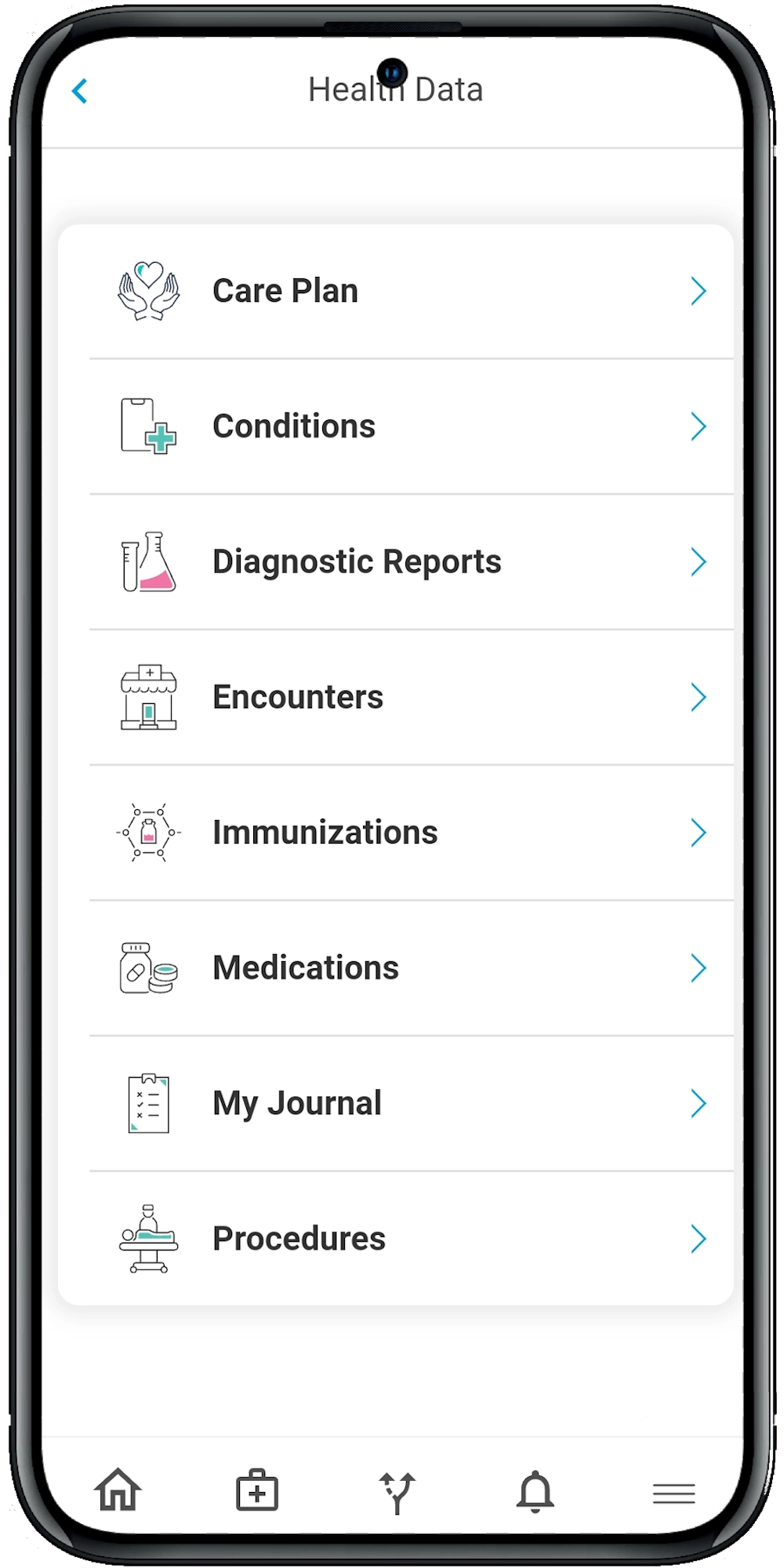
Calcium pulls together records from over 95% of U.S. health systems using HL7 and FHIR standards. That includes diagnoses, lab results, procedures, medications and visit notes—all in one place, fully owned by the patient.
B. Real-Time Lifestyle and Wearable Integration
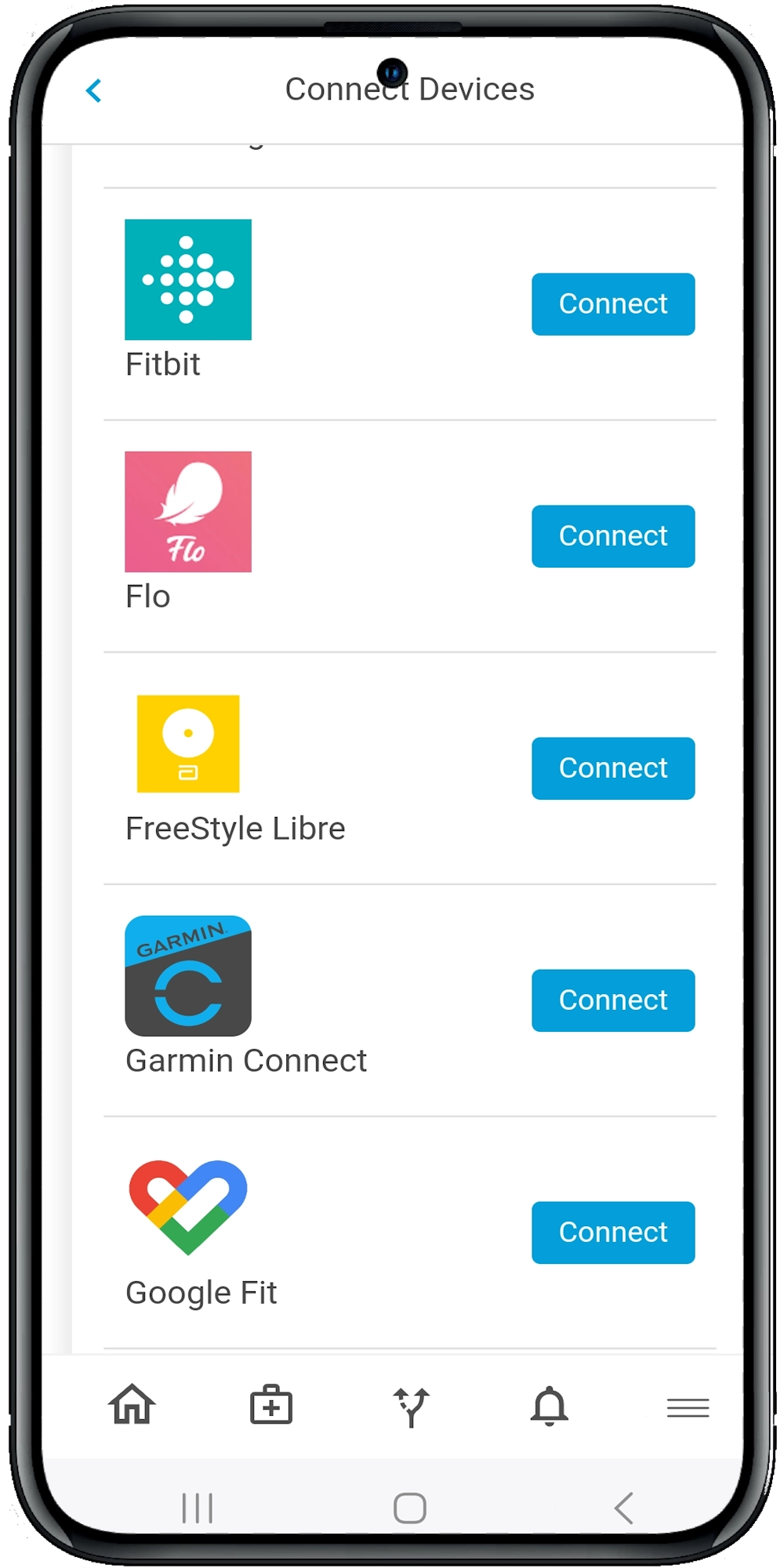
The platform connects seamlessly with devices like Fitbit, Dexcom, Omron and Apple Health. That means heart rate, glucose, steps, sleep, blood pressure—even workout data—gets folded into the same health record your provider sees.
C. Designed for Real People
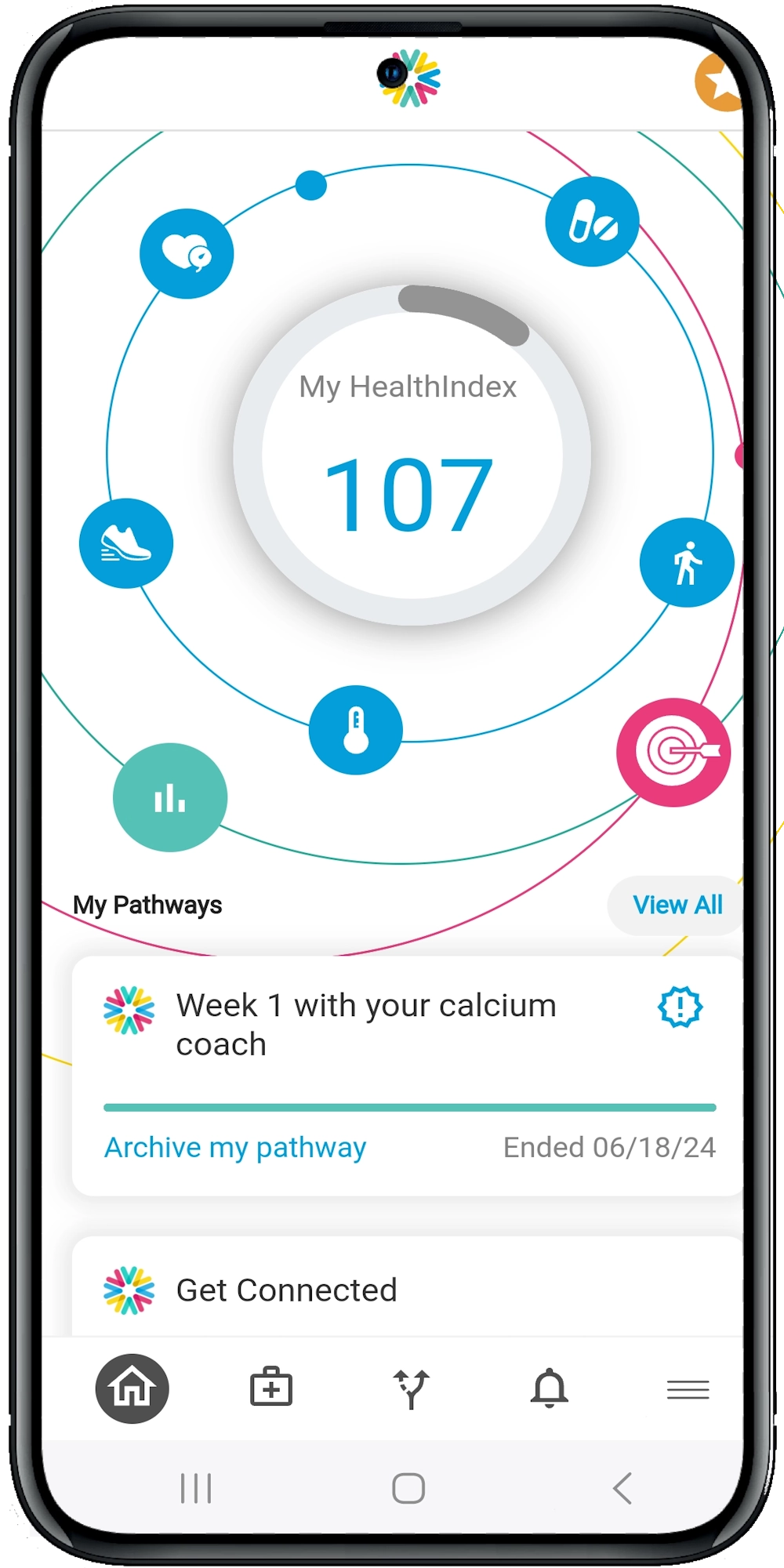
Calcium’s mobile-first Super App offers clear visuals, simple language and user-friendly navigation. Patients can easily view their health timeline, receive reminders, track symptoms or complete tasks—all from their smartphone.
D. Granular, Secure Data Sharing
Need to share only your medication list with a pharmacist? Or just your vitals with a caregiver? With Calcium, users can control who sees what. And with full HIPAA compliance, encryption and audit logs, data stays protected.
E. From Access to Action
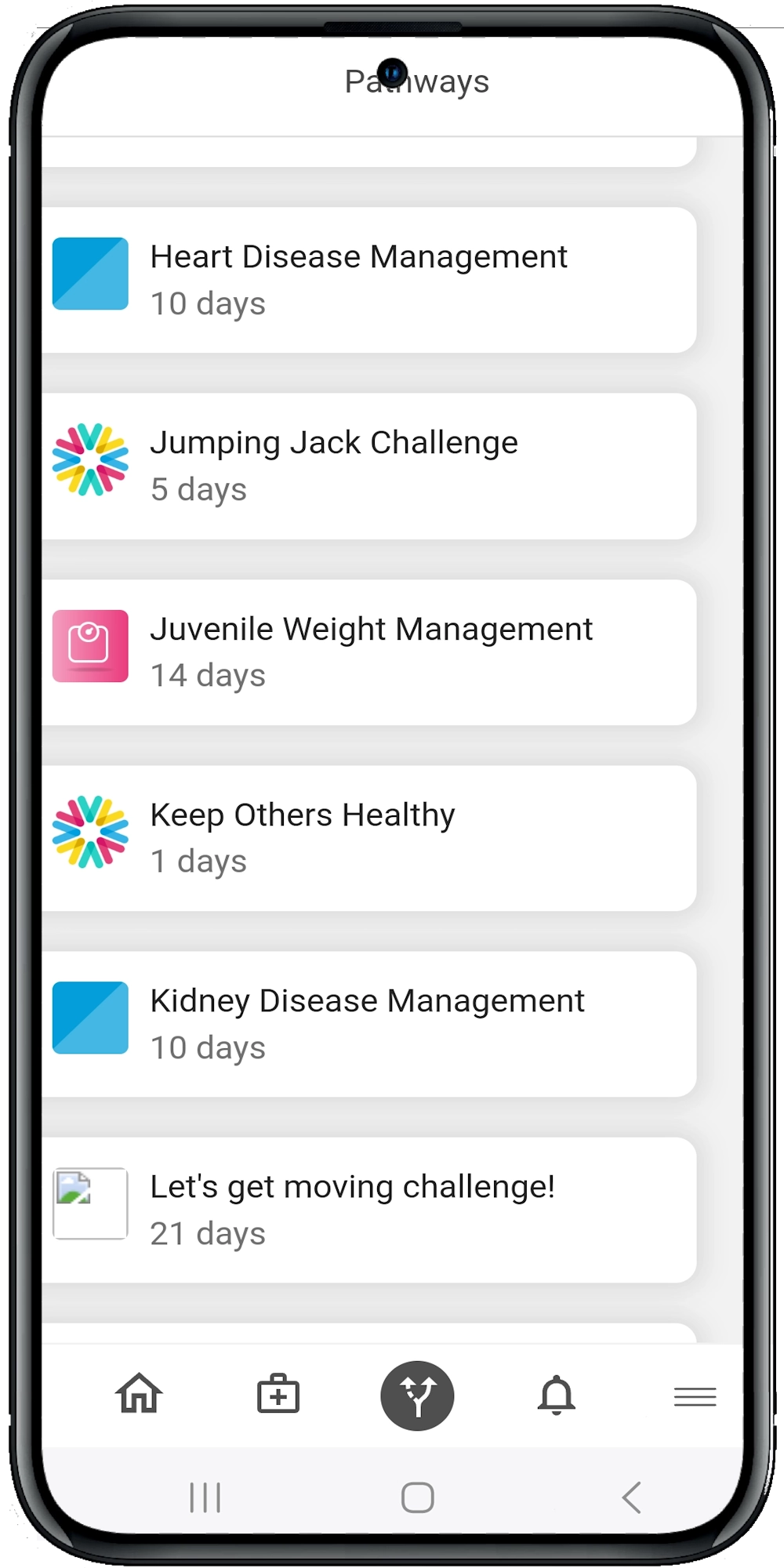
Through AI-driven Digital Pathways, Calcium guides users through care plans or health goals. Whether it’s recovering from surgery, managing asthma or building a wellness routine, patients get step-by-step support based on their real-world data.
The Road Ahead: A More Personal Future
The best personal EHRs of tomorrow won’t just hold data—they’ll transform it into care. They’ll integrate with mental health tools, deliver real-time coaching, and offer predictive alerts based on biometrics and behavior. They’ll connect not just patients and providers, but families, caregivers and communities.
Most importantly, they’ll put patients at the center—where they belong.
The Wrap
As healthcare becomes more personal, more digital and more decentralized, giving individuals control over their own health data is no longer a “nice-to-have”—it’s essential. Personal EHRs offer the opportunity to connect the dots between medical visits, daily life and long-term wellness. But they only work when they’re built with the patient in mind: intuitive, connected and empowering.
That’s exactly what the Calcium digital health platform delivers. From unifying scattered records to syncing real-time health data and guiding users through personalized care plans, Calcium helps people take charge of their health with confidence. Whether you’re a provider looking to enhance patient engagement or a healthcare consumer ready for a smarter, simpler experience, Calcium makes it possible.
Reference
- Kalra D. (2006). Electronic health record standards. Yearbook of medical informatics, 136–144. https://pubmed.ncbi.nlm.nih.gov/17051307/
- Ambinder E. P. (2005). A history of the shift toward full computerization of medicine. Journal of oncology practice, 1(2), 54–56. https://doi.org/10.1200/JOP.2005.1.2.54
- Hoerbst, A., & Ammenwerth, E. (2010). Electronic health records. A systematic review on quality requirements. Methods of information in medicine, 49(4), 320–336. https://doi.org/10.3414/ME10-01-0038
- Safran, C., & Goldberg, H. (2000). Electronic patient records and the impact of the Internet. International Journal of Medical Informatics, 60(1), 77–83. https://doi.org/10.1016/S1386-5056(00)00106-4
- Hassey, A., Gerrett, D., & Wilson, A. (2001). A survey of validity and utility of electronic patient records in a general practice. BMJ, 322(7299), 1401–1405. https://doi.org/10.1136/bmj.322.7299.1401
- Greenhalgh, T., Potts, H. W. W., Wong, G., Bark, P., & Swinglehurst, D. (2009). Tensions and paradoxes in electronic patient record research: A systematic literature review using the meta-narrative method. The Milbank Quarterly, 87(4), 729–788. https://doi.org/10.1111/j.1468-0009.2009.00578.x