How Unified Health Records Can Streamline Care, Cut Costs and Improve Outcomes Across Complex Provider Networks
Multi-clinic providers face mounting pressure to deliver seamless, coordinated care. The fragmented nature of patient data only adds to the challenge, leaving clinicians juggling disparate systems while trying to keep each patient’s story complete and current.
Imagine if every detail of a patient’s journey from lab results to treatment notes was available at the click of a button, regardless of which clinic they visited. This isn’t just a convenience; it’s a necessity for providers striving to offer personalized, efficient care. When records are shared effortlessly across locations, the entire care team can work in concert, much like instruments in a well-tuned orchestra.
Today, the conversation is shifting from merely collecting data to actively using it to transform care delivery. The call for a streamlined, centralized approach is louder than ever, paving the way for a new era in patient care.
Managing patient care across multiple clinics can feel like trying to run a relay race with no baton. Without a centralized patient health record system, vital information often gets dropped between locations. Lab results, progress notes, medication changes — they don’t always make it from point A to point B in time. And when data is fragmented, both care quality and clinic efficiency take a hit.
So how do we fix this?
A centralized system that pulls patient records together into one accessible, real-time platform can transform how multi-clinic providers deliver care. Let’s dig into the benefits and how platforms like Calcium are helping providers streamline operations, support clinical decision-making and improve patient outcomes.
Why Disconnected Systems Are Holding Healthcare Back
Multi-clinic providers face unique challenges. Each clinic might have its own workflows, software or even EHR vendor. That leads to disconnected records, miscommunication and duplicated tasks. Patients bounce between providers who don’t always have the full story, and staff spend too much time chasing records or re-entering data.
And here’s the kicker even high-functioning electronic systems can become a barrier when they don’t fit into real-world clinical workflows. As highlighted in recent research on electronic patient records (EPRs), systems that ignore context and clinician input often fail to gain traction. One-size-fits-all models don’t work in a landscape as varied and nuanced as healthcare.
What’s needed is not just data storage, but data connection a system that centralizes, simplifies and enhances every step of the care journey.
7 Benefits of a Centralized Patient Health Record System for Multi-Clinic Providers
Centralization isn’t just about convenience. It’s about enabling better care across the board. Here’s how a centralized patient health record system can make a real impact:
1. Streamlined Care Coordination
When providers at every clinic can see the same patient data in real time, they can coordinate more effectively. No more repeating labs or starting from scratch with patient histories.
A shared record reduces errors, avoids duplicate tests and helps care teams stay aligned. It’s the difference between passing a baton smoothly and fumbling it mid-race.
2. Better Clinical Decision-Making
Access to comprehensive records including diagnoses, vitals, recent procedures and even data from connected devices — leads to smarter, faster decisions. Providers don’t have to guess or rely solely on what the patient remembers.
With a centralized view, clinicians can spot trends early, assess treatment progress and adapt plans with confidence.
3. Operational Efficiency
Centralizing records means fewer phone calls, faxes and portal logins. Staff aren’t wasting hours hunting for documents or re-entering patient info into different systems.
This kind of efficiency doesn’t just save time. It reduces burnout, cuts costs and lets teams focus on delivering care instead of chasing paperwork.
4. Improved Patient Satisfaction
Patients are tired of repeating their story at every appointment. They want faster service, fewer delays and a sense that their providers are on the same page.
With a centralized system, patients don’t have to carry medical records between clinics or wonder if one provider knows what the other is doing. It’s all in one place just like it should be.
5. Enhanced Provider Collaboration
When providers across specialties can access the same health record, collaboration becomes seamless. A primary care physician, a cardiologist and a behavioral health therapist can all see the full picture.
This kind of visibility fosters a team-based approach that supports whole-person care not just isolated treatments.
6. Data-Driven Quality Improvement
Centralized systems make it easier to analyze data across your organization. Want to know which patients missed follow-ups? Who responded best to a particular treatment? The answers are at your fingertips.
This opens the door to continuous quality improvement and stronger alignment with value-based care goals.
7. Simplified Compliance and Data Security
Managing HIPAA compliance, audits and access logs becomes easier when everything flows through one secure system. You can control permissions, track access and ensure emergency data is available when needed.
It’s not just safer for the organization it’s more reassuring for patients too.
How Calcium Makes It All Work
The Calcium Digital Health Platform was built with this multi-clinic reality in mind. It’s not just another health record system — it’s an ecosystem that brings EHR data, personal health data and care plans together in one intuitive platform.
Let’s take a look at how each part of Calcium supports centralization and care continuity:
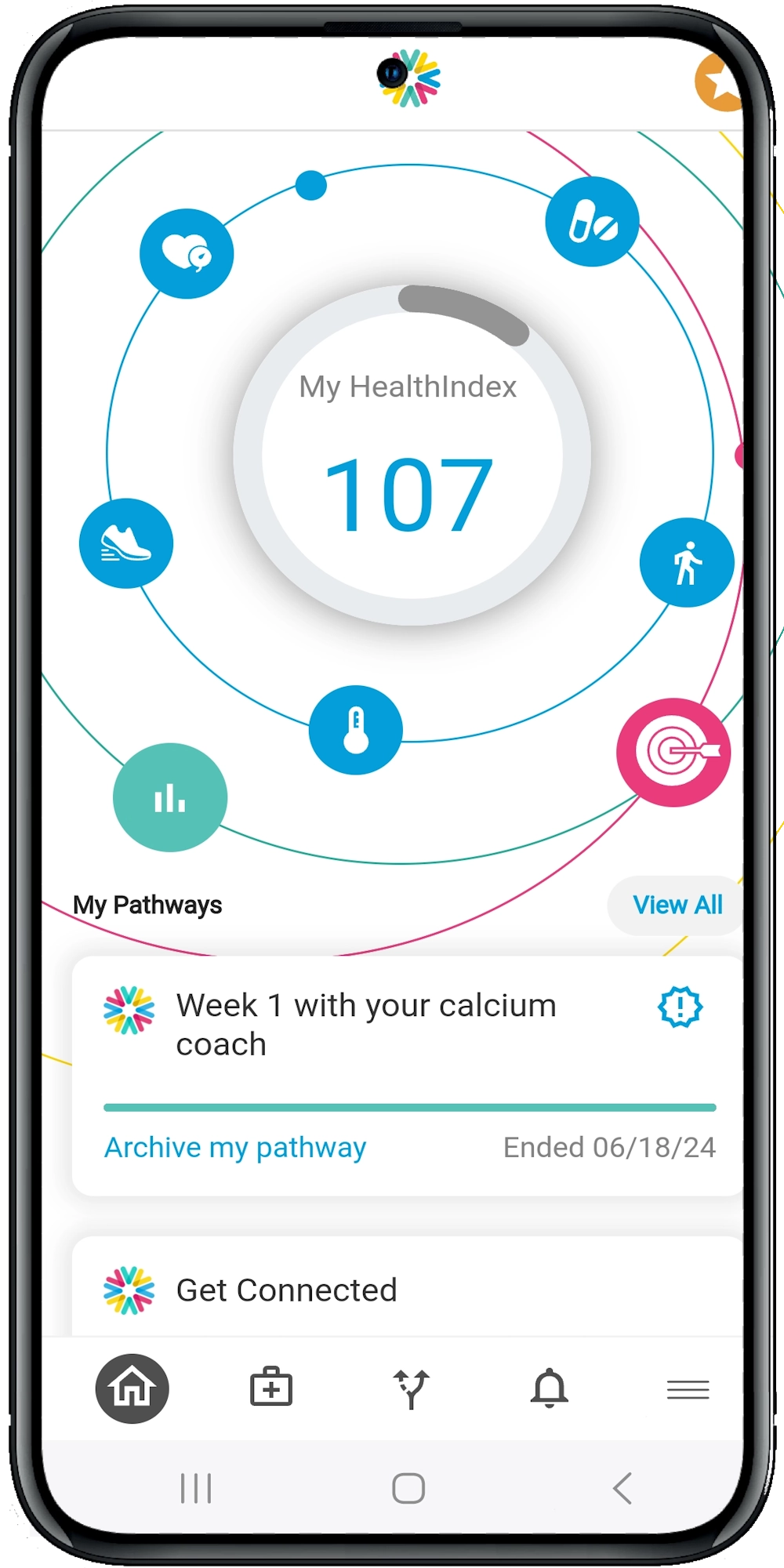
1. Calcium Super App (For Patients)
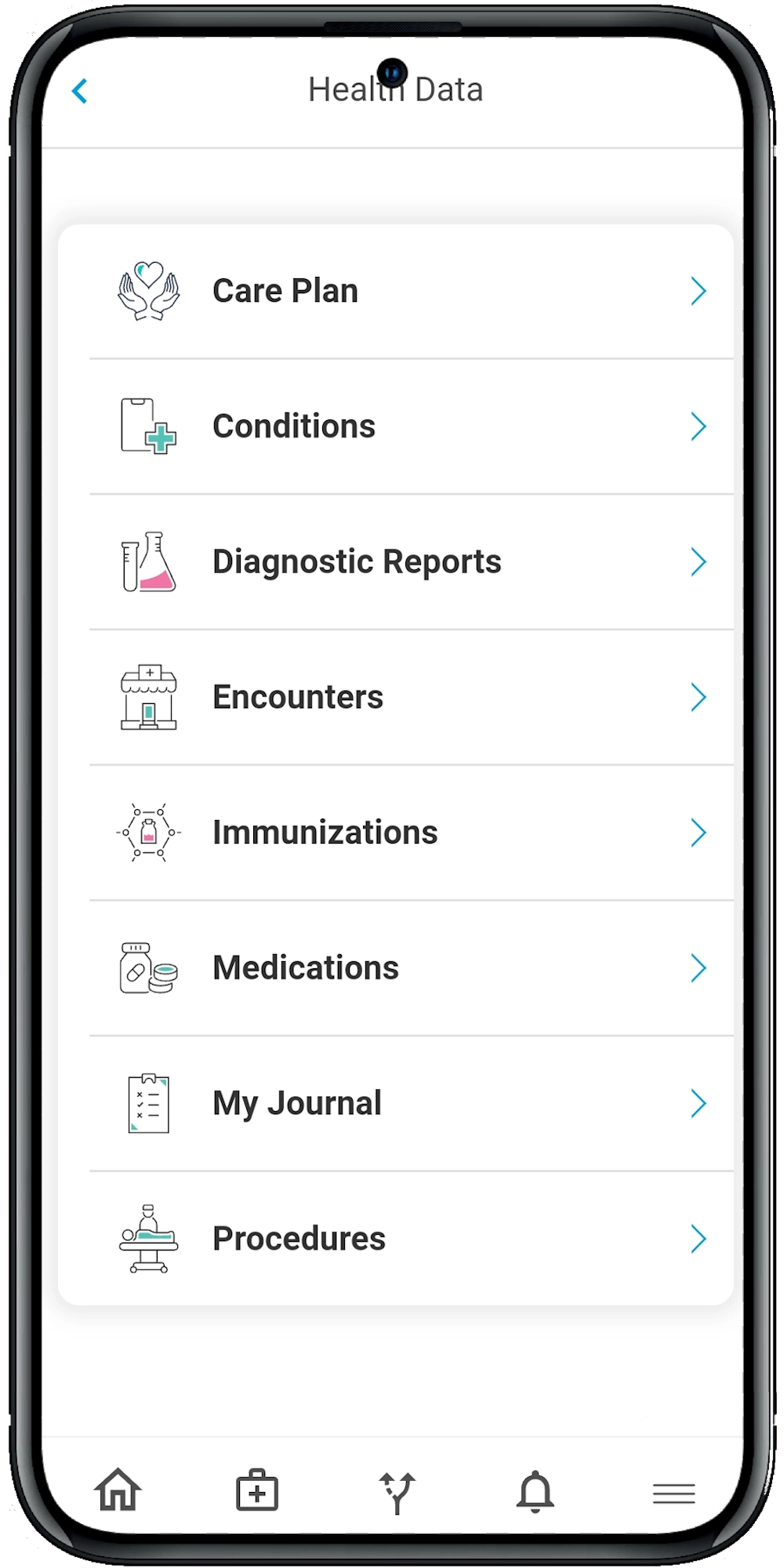
- Gives patients access to all their medical records, regardless of clinic or system
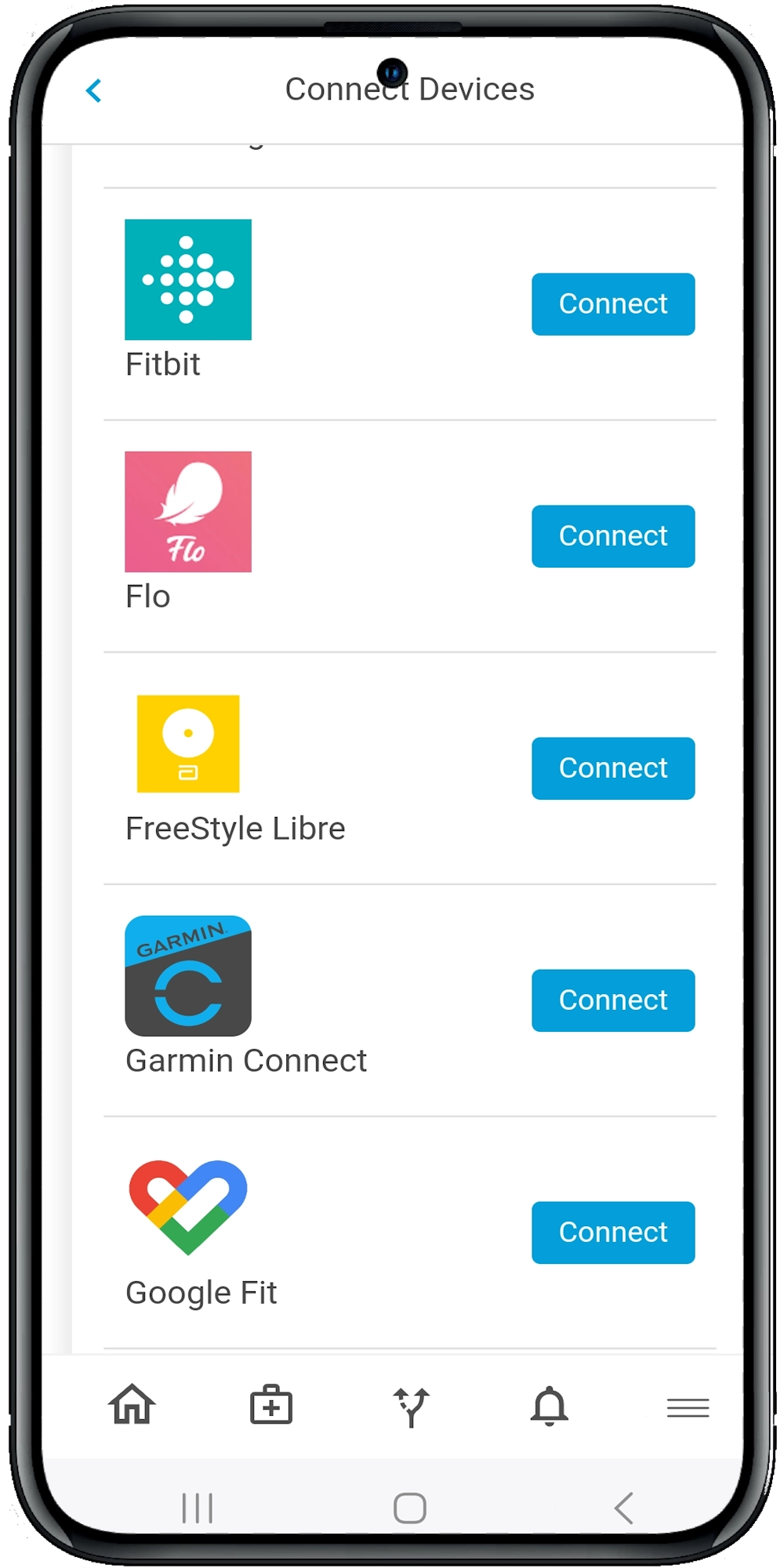
- Syncs with wearable devices, home monitors and wellness apps
- Offers personalized digital pathways to guide daily health habits and treatment plans
2. Calcium Core Dashboard (For Providers)
- Pulls in EHRs, labs, vitals and pathway data in real time
- Sorts patients by risk level, treatment progress or care alerts
- Enables direct communication with patients through secure chat
- Supports sub-group management for clinics, departments or specialties
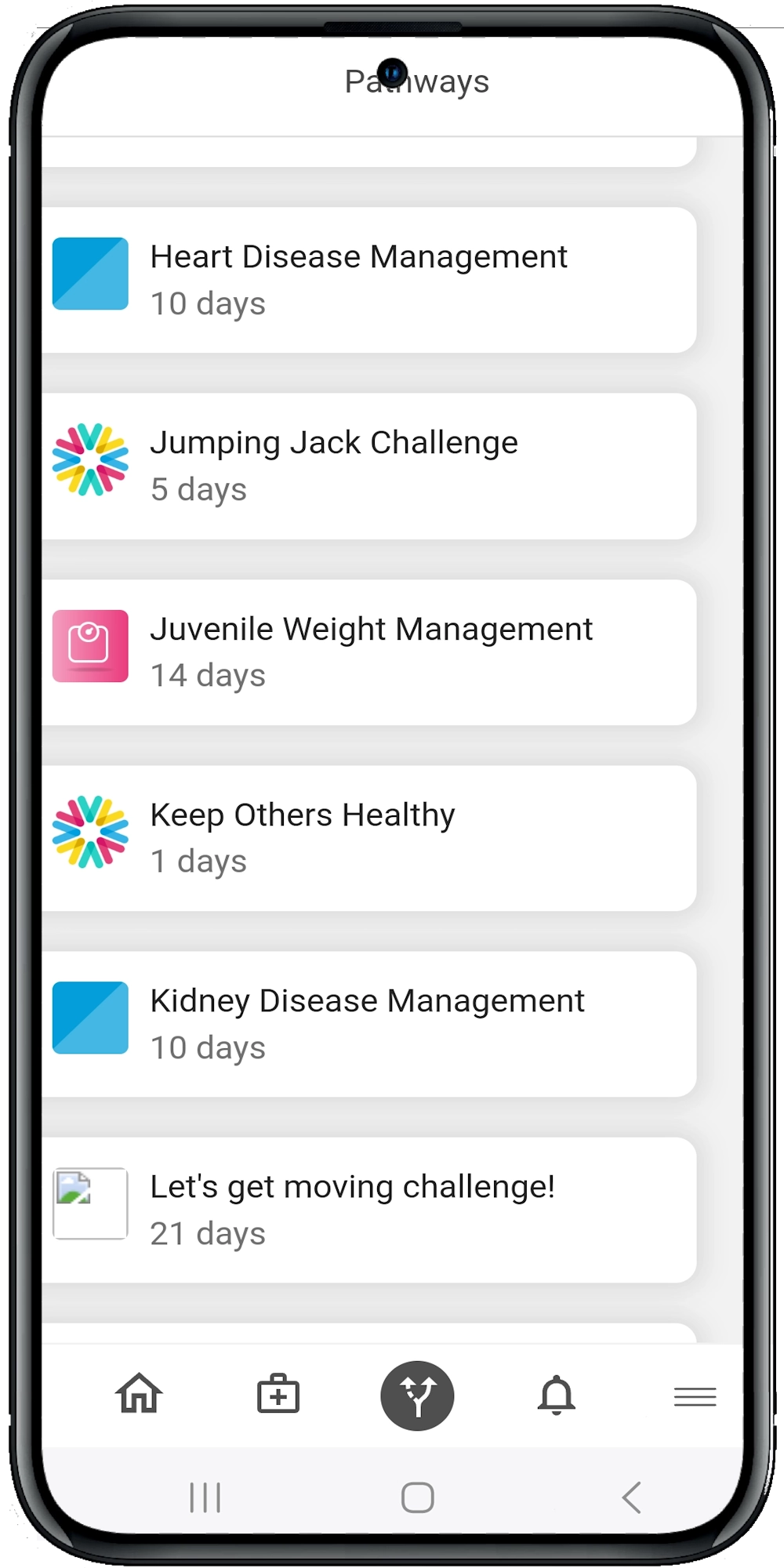
3. AI Studio (For Custom Pathways)
- Uses EHR data and provider input to generate personalized care plans
- Tracks patient progress and adjusts guidance based on real-world data
- Helps providers deploy consistent protocols across multiple locations
Whether you’re managing five clinics or fifty, Calcium adapts to your structure not the other way around.
A Real-World Scenario
Picture this: a patient with hypertension and depression is treated at three different locations primary care, behavioral health and a specialty clinic. Without a centralized patient health record system, each visit could feel disconnected.
But with Calcium:
- All providers see the same medication list, progress notes and vitals
- The patient gets a digital care pathway that spans physical and mental health
- Alerts notify the care team if vitals spike or medications are missed
- Outcome data is tracked centrally for value-based reporting
This is more than convenience. It’s smart, coordinated care in action.
Addressing Common Concerns
Yes, switching systems or centralizing data can feel overwhelming. Providers worry about workflow disruption, data migration and training staff on new tools. That’s where thoughtful implementation comes in.
The research is clear: successful EHR and EPR adoption depends not just on the technology, but how well it integrates with daily routines and team culture. Tools that are flexible, intuitive and collaborative have the best chance of long-term success.
Calcium addresses these concerns with:
- User-friendly dashboards designed for non-technical staff
- Step-by-step onboarding and dedicated support
- Scalable infrastructure that grows with your network
- Real-time data that enhances, not interrupts, provider judgment
Remember, the goal isn’t to replace clinicians or overwhelm them with dashboards. It’s to support them with the right information, in the right place, at the right time.
The Wrap
As healthcare continues its evolution toward connected, patient-centered care, a centralized patient health record system becomes a powerful ally for multi-clinic providers. This transformative approach not only reduces administrative burdens but also enables clinicians to make informed decisions quickly ensuring every patient receives comprehensive, coordinated care.
When data flows effortlessly between departments and locations, the entire care continuum benefits, leading to better outcomes and enhanced patient satisfaction. Ready to embrace a future where health information drives superior care delivery? Discover how the Calcium Digital Health Platform can unify your clinics, break down data silos, and fuel your shift toward value-based care.
Reference
- Kalra D. (2006). Electronic health record standards. Yearbook of medical informatics, 136–144. https://pubmed.ncbi.nlm.nih.gov/17051307/
- Ambinder E. P. (2005). A history of the shift toward full computerization of medicine. Journal of oncology practice, 1(2), 54–56. https://doi.org/10.1200/JOP.2005.1.2.54
- Hoerbst, A., & Ammenwerth, E. (2010). Electronic health records. A systematic review on quality requirements. Methods of information in medicine, 49(4), 320–336. https://doi.org/10.3414/ME10-01-0038
- Safran, C., & Goldberg, H. (2000). Electronic patient records and the impact of the Internet. International Journal of Medical Informatics, 60(1), 77–83. https://doi.org/10.1016/S1386-5056(00)00106-4
- Hassey, A., Gerrett, D., & Wilson, A. (2001). A survey of validity and utility of electronic patient records in a general practice. BMJ, 322(7299), 1401–1405. https://doi.org/10.1136/bmj.322.7299.1401
- Greenhalgh, T., Potts, H. W. W., Wong, G., Bark, P., & Swinglehurst, D. (2009). Tensions and paradoxes in electronic patient record research: A systematic literature review using the meta-narrative method. The Milbank Quarterly, 87(4), 729–788. https://doi.org/10.1111/j.1468-0009.2009.00578.x