How Smarter Systems and Patient-Centered Platforms Can Reclaim Time and Care Quality
Electronic health records were supposed to simplify healthcare, not complicate it. But for many providers, managing EHRs feels more like a daily grind than a digital upgrade. Clunky systems, disjointed data, and hours lost to documentation have become the new normal—and it’s burning out even the best care teams.
In a time when efficiency is everything and patient expectations are rising, poor EHR management is more than just an IT issue. It’s a barrier to better care.
The good news? It doesn’t have to stay this way. With smarter strategies and the right technology, organizations can finally reclaim their time, reduce friction, and get back to what really matters: the patient. If you’re ready to rethink how your health system handles electronic records, you’re in the right place. Let’s dig into five powerful strategies that are already changing the game.
The Real Problem: When EHRs Become Barriers Instead of Tools
Let’s be honest—electronic health records were supposed to make healthcare easier. Instead, they’ve often become just one more thing that providers have to manage on top of everything else. Time that should be spent with patients is eaten up by clunky interfaces, duplicate data entry, and endless clicking. Sound familiar?
Research shows this isn’t just anecdotal. In oncology, for example, physicians reported being overwhelmed by fragmented data and poorly designed workflows—making EHRs more of a burden than a tool. Add to that the lack of interoperability, security issues, and limited patient access, and it’s no wonder burnout rates are soaring.
But it doesn’t have to be this way. With the right strategies, EHRs can finally deliver on their promise: more connected, efficient, and human-centered care.
Top EHR Management Challenges That Drain Efficiency
Before we get into the solutions, it’s worth understanding the biggest issues dragging down electronic health records management. These are the recurring pain points we hear from healthcare teams across the country:
- Disconnected systems that don’t talk to each other
- User interfaces that feel more like obstacles than support tools
- Massive data loads with no clear path to insights
- Incomplete records that create clinical blind spots
- Security vulnerabilities that keep IT teams up at night
- Patients left out of their own health information
- Costs that skyrocket when systems are hard to scale
These challenges aren’t just annoying. They’re directly tied to delays in care, increased errors, and frustrated staff.
Strategy #1: Prioritize Seamless Interoperability
We all know the frustration of logging into multiple systems to get a full view of a patient’s health history. One system has labs, another has imaging, and a third holds the notes from last week’s urgent care visit.
This fragmentation isn’t just inconvenient—it’s dangerous. Dr. Dipak Kalra’s research showed that most EHR systems are structurally incompatible. Even when data is exchanged, its clinical meaning often gets lost in translation.
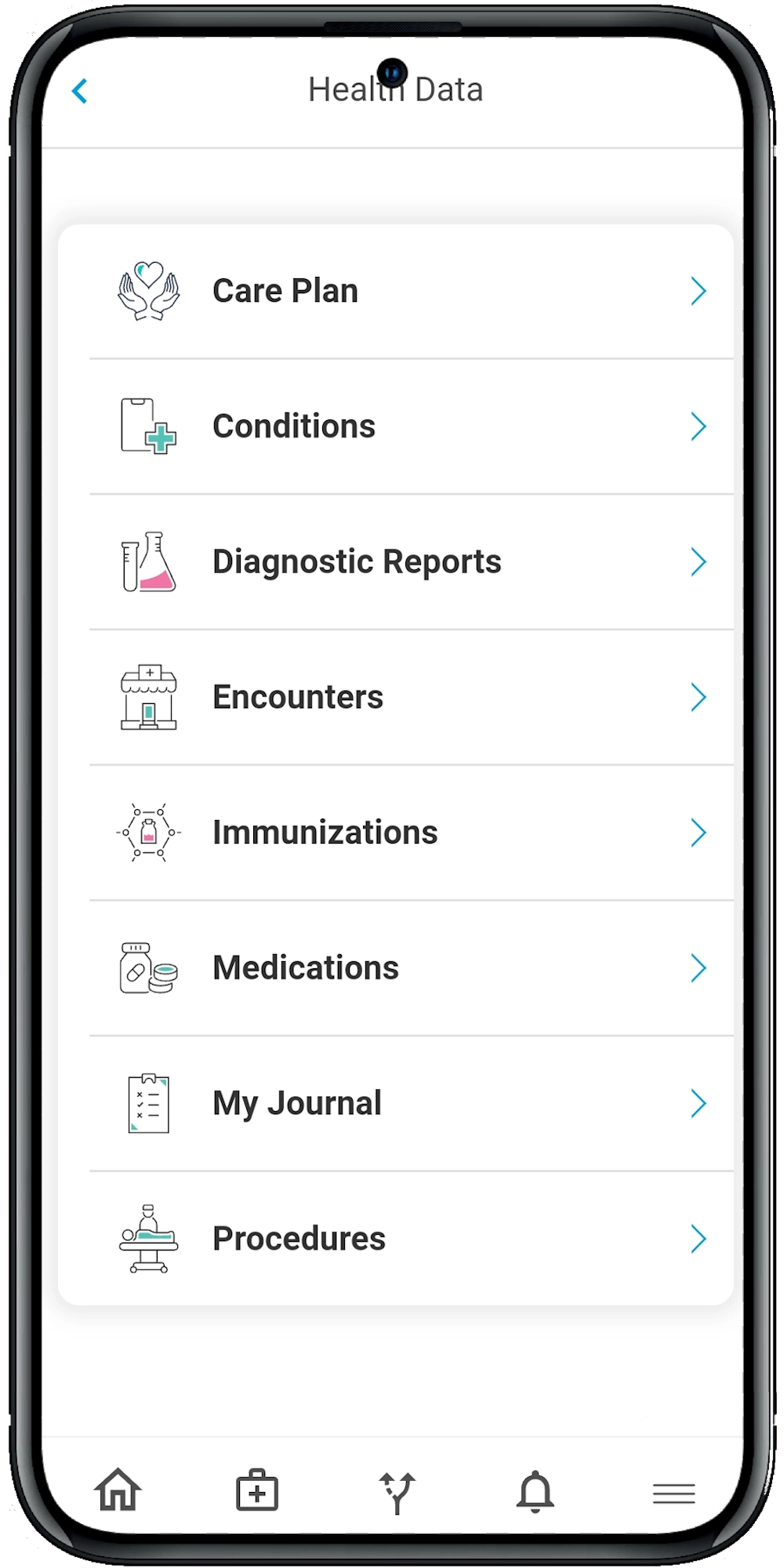
The fix? Build or adopt platforms that speak the same language. The Calcium Digital Health Platform connects to 95% of U.S. health systems using HL7 and FHIR standards. It unifies meds, labs, diagnoses, and more—into a single, patient-owned record. That means less chasing data and more time acting on it.
Strategy #2: Streamline Interfaces to Support Actual Workflows
If it takes 12 clicks to enter a blood pressure reading, something’s gone wrong.
Poor EHR usability is one of the top causes of provider frustration and fatigue. In fact, Ambinder’s study found that even highly trained specialists were being slowed down by interfaces that didn’t match how they work in the real world.
What’s needed is design that fits the rhythm of care. Tools like Calcium Core provide role-based dashboards tailored to what each clinician needs to see. No more hunting through tabs or scrolling endlessly. Just relevant data—presented clearly—when and where you need it.
Strategy #3: Make Data Actionable, Not Just Accessible
We’ve reached a point where health records are full of data—but short on meaning. Providers are expected to sift through pages of notes, scattered lab results, and medication lists just to get a handle on what’s going on.
This isn’t sustainable. As Hoerbst and Ammenwerth emphasized, EHRs must go beyond storage. They need to support clinical judgment and decision-making.
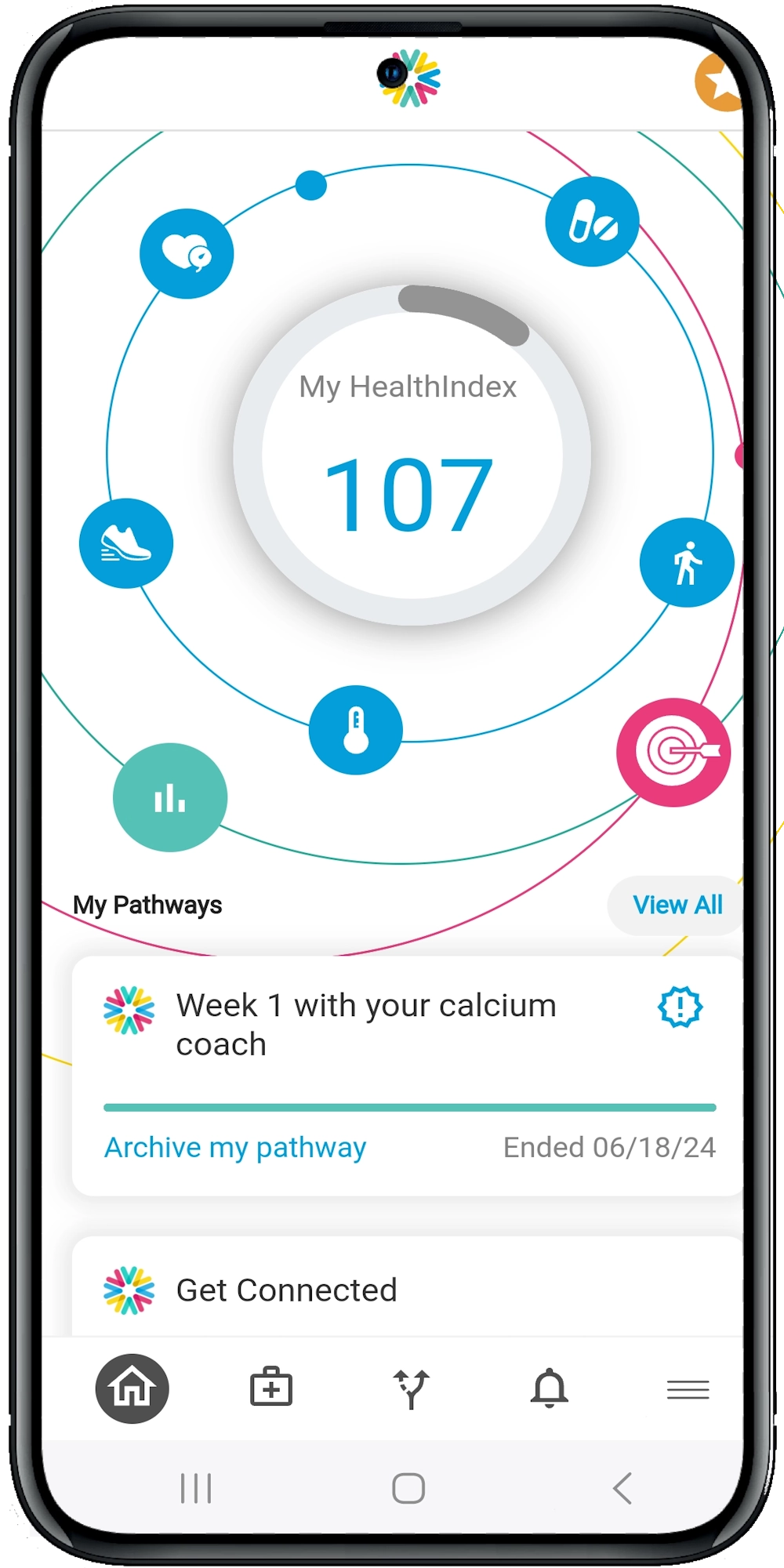
Calcium takes that seriously. Instead of presenting raw data, it organizes information into structured, clinically relevant modules. Vitals, medications, conditions, and care plans are all instantly visible—and layered with contextual alerts to highlight what actually needs attention. That’s how we move from data overload to data that matters.
Strategy #4: Empower Patients to Take On Some of the Load
Patients want to be part of their health journey—but most systems don’t make it easy. When people can’t access their own records or update information like symptoms or medication changes, they end up calling clinics or repeating themselves at every visit.
That wastes time on both sides of the stethoscope.
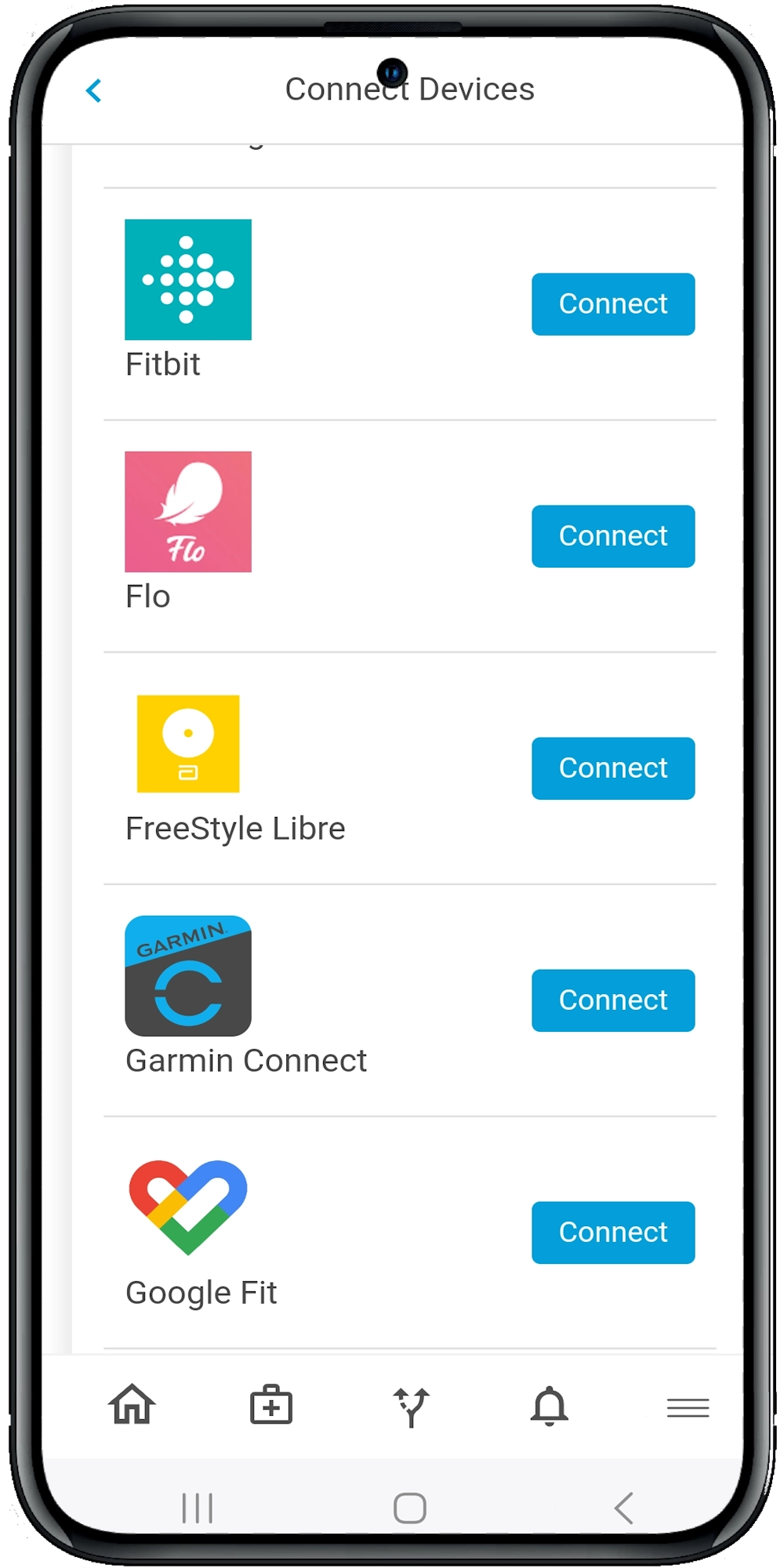
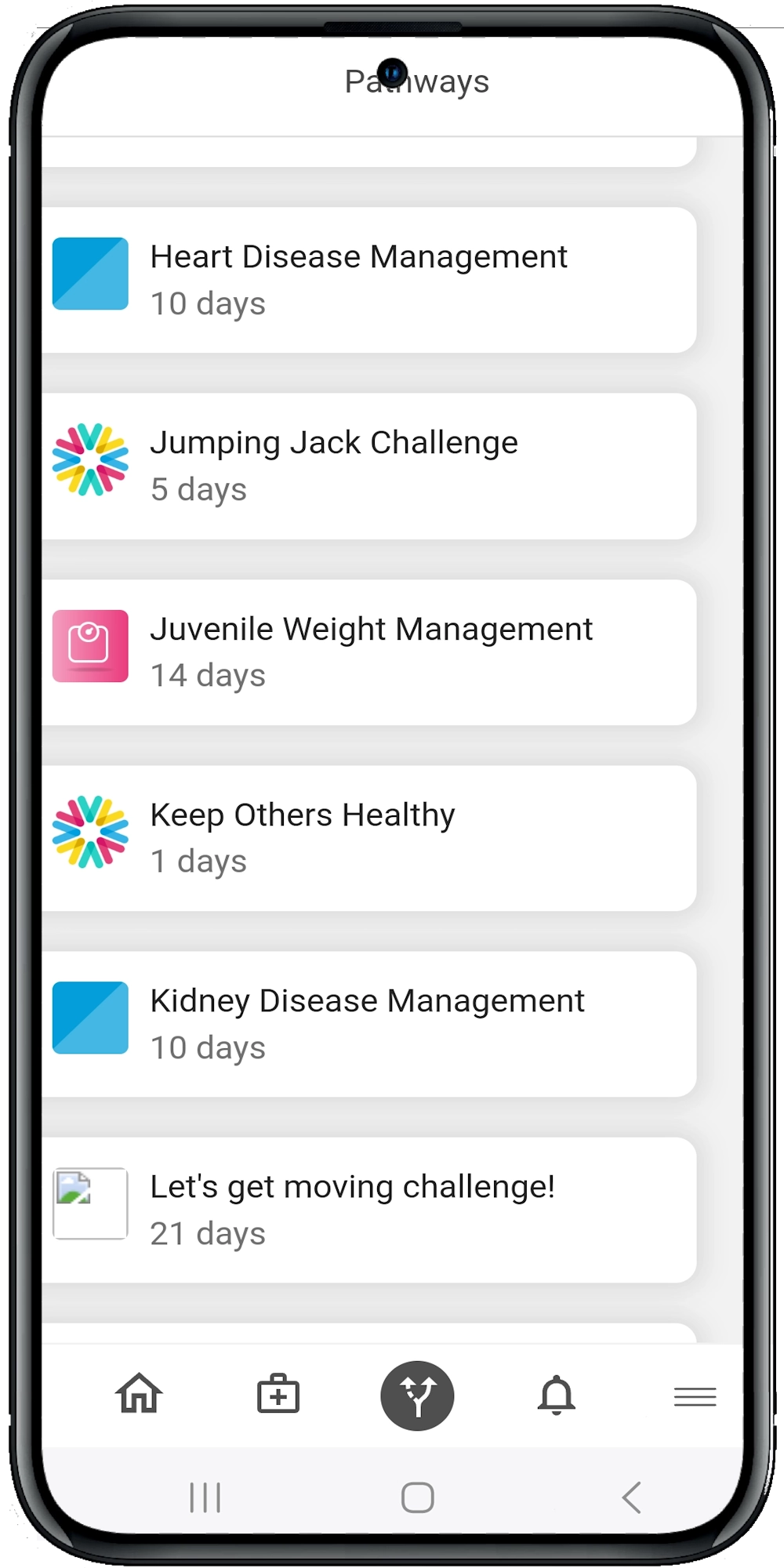
Calcium’s Super App gives patients direct access to their full health history, real-time updates, and the ability to track vitals, manage medications, and follow care pathways. They can even securely share records with new providers or caregivers—with just a few taps.
This level of patient engagement doesn’t just boost outcomes—it reduces the burden on care teams.
Strategy #5: Build Security Into Everyday Workflow
Let’s not sugarcoat it—healthcare data is a top target for cyberattacks. But security measures often make things harder for users: complex logins, unclear access controls, and time-consuming compliance steps.
The best strategy? Make privacy and compliance invisible but ironclad.
Calcium comes with HIPAA compliance baked in: role-based access, audit trails, encryption, and single sign-on. Instead of forcing clinicians to manage data security, it does the work behind the scenes—so you can focus on patients, not passwords.
What Efficient EHR Management Should Actually Look Like
Imagine this: A provider logs into one dashboard. They see the latest labs, flagged vitals, and a quick summary of missed care plan tasks. They’re alerted to a potential drug interaction before it becomes an issue. Meanwhile, the patient logs into their app, updates a symptom tracker, and securely sends a message to their care team—all without making a call.
That’s not science fiction—it’s what EHR management looks like when it works with you, not against you.
With systems like Calcium, we’re finally seeing the shift from digital paperwork to digital partnership.
The Wrap
EHRs don’t have to be the reason your day runs behind or your staff feels stretched thin. With the right management strategies—and the right platform—you can turn electronic health records from a source of stress into a tool for transformation. Smarter interfaces, seamless integrations, real-time data, and patient participation all add up to one thing: better care with less burnout.
That’s exactly what the Calcium Digital Health Platform was built to deliver. Whether you’re a provider juggling dozens of patients or an organization trying to streamline system-wide workflows, Calcium offers a modern solution that makes EHRs finally work for you.
Reference
- Kalra, D. (2006). Electronic Health Record Standards. In R. Haux & C. Kulikowski (Eds.), IMIA Yearbook of Medical Informatics 2006 (pp. 136–144). IMIA and Schattauer GmbH. Retrieved from https://www.schattauer.de.
- Ambinder, E. P. (2005). Oncology Enters the Information Age. Journal of Oncology Practice, 1(2), 57–63. Retrieved from https://www.jopasco.org.
- Hoerbst, A., & Ammenwerth, E. (2010). Electronic Health Records: A Systematic Review on Quality Requirements. Methods of Information in Medicine, 49(4), 1–9. Schattauer GmbH. Retrieved from https://www.schattauer.de.
- Häyrinen, K., Saranto, K., & Nykänen, P. (2008). Definition, structure, content, use and impacts of electronic health records: A review of the research literature. International Journal of Medical Informatics, 77(5), 291–304. Elsevier Ireland Ltd. Retrieved from https://doi.org/10.1016/j.ijmedinf.2007.09.001.
- Safran, C., & Goldberg, H. (2000). Electronic patient records and the impact of the Internet. International Journal of Medical Informatics, 60(1), 77–83. https://doi.org/10.1016/S1386-5056(00)00106-4